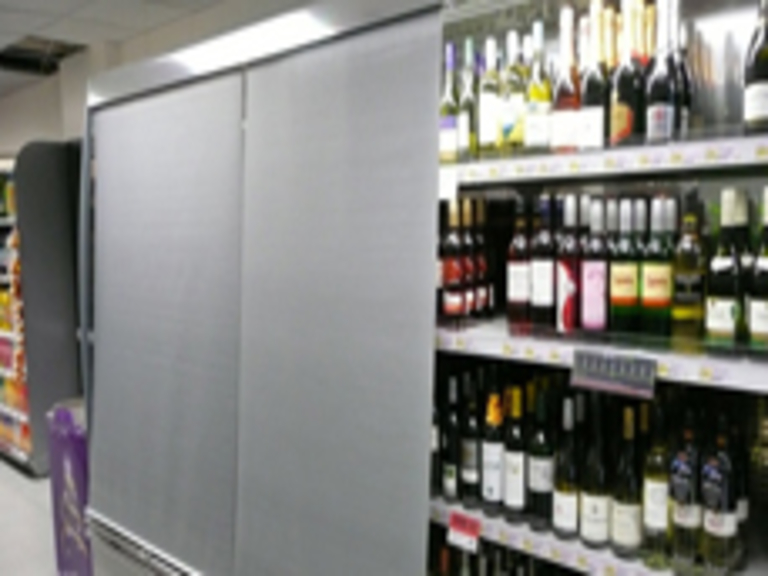
Why even cold beverages benefit from sealed overnight storage and how covers cut compressor workload
Beverage display cases whether stocked with bottled water, soda, juices, or energy drinks are some of the busiest sections in supermarkets. They are opened frequently, exposed to ambient store air, and often operate under heavy foot traffic during the day. While beverages are less sensitive than fresh produce or dairy in terms of spoilage, maintaining a consistent cold temperature overnight is critical for product quality, energy efficiency, and operational cost control. Refrigeration covers are an effective tool to achieve these goals.
Why Beverages Need Overnight Protection
Even cold beverages are impacted by overnight conditions:
- Warm-Air Infiltration:Open or partially covered cases allow warmer store air to enter, raising the temperature inside the case and forcing compressors to work harder.
- Temperature Fluctuations:Variations of just a few degrees can affect carbonation levels in sodas and alter the refreshment experience for consumers.
- Moisture Condensation:Humid air entering the case can condense on bottles and cans, leading to slippery surfaces or water spots that reduce product appeal.
- Compressor Strain: When cold air escapes, compressors cycle more frequently to maintain setpoints, increasing energy use and equipment wear.
By addressing these factors, night covers help maintain consistent temperatures, improve energy efficiency, and preserve the customer experience.
How Night Covers Work for Beverage Cases
High-quality night covers provide multiple benefits for refrigerated beverage displays:
- Cold-Air Containment:Covers trap the chilled air inside the case, reducing the influx of warmer store air and preventing temperature rises.
- Energy Efficiency: By reducing compressor runtime, covers lower electricity usage, resulting in measurable cost savings.
- Even Case Temperatures:Front-to-back temperature consistency ensures every item from top shelves to bottom rows remains equally chilled.
- Reduced Condensation:Covers limit exposure to humid ambient air, minimizing fogging and water droplets on product surfaces.
Implementing covers consistently ensures that beverages remain ready for sale with minimal impact on quality or appearance.
Operational Benefits of Beverage Night Covers
Using covers offers several advantages beyond temperature control:
- Reduced Energy Costs: Fewer compressor cycles directly translate to lower utility bills, especially in stores with multiple beverage cases running overnight.
- Extended Equipment Life:Less frequent cycling reduces wear on compressors and fans, potentially lowering maintenance expenses.
- Improved Morning Presentation:Products remain dry and properly chilled, giving a polished appearance for the first shoppers of the day.
- Labor Efficiency:Staff spend less time adjusting stock, rotating warm items, or wiping condensation from cases.
The cumulative effect is a more sustainable operation that balances product protection with operational efficiency.
Choosing the Right Covers for Beverage Cases
Selecting the correct night covers ensures optimal protection and ease of use:
- Proper Fit:Covers should fully seal each case to prevent air leaks and ensure uniform protection.
- Durable, Food-Safe Materials:Covers need to withstand daily handling, moisture, and repeated deployments without degradation.
- Easy Handling:Lightweight designs that are simple to deploy encourage staff compliance and consistent nightly use.
- Compatibility:Covers should not interfere with case fans, shelves, or lighting, which are essential for proper operation during trading hours.
Well-chosen covers provide consistent protection and are practical for store teams to use nightly.
Integrating Covers Into SOPs
To maximize results, beverage night covers should be included in standard closing procedures:
- Step-by-Step Deployment:Incorporate cover placement into nightly closing checklists with clear staff responsibility.
- Staff Training: Teach employees the benefits of covers on temperature consistency, energy savings, and product quality.
- Inspection:Verify that covers are correctly installed and sealed each night.
- Monitoring:Track case temperatures and morning product conditions to confirm effectiveness.
Consistent use ensures beverages are always ready for sale and reduces operational inefficiencies.
Department-Specific Considerations
Even within beverage displays, some products benefit differently from night covers:
- Carbonated Drinks:Minimized temperature fluctuations help maintain carbonation and taste quality.
- Juices and Flavored Drinks:Cooler, stable conditions help preserve color and flavor integrity.
- Water and Non-Carbonated Beverages:Although less sensitive, consistent temperatures reduce condensation on bottles and cans.
Recognizing these differences helps stores prioritize covers for high-turnover or more sensitive items.
Covers vs Other Overnight Options
Retailers sometimes consider alternatives to covers:
- Glass Doors:Effective at reducing air infiltration but can limit shopper accessibility during store hours and do not address condensation or airflow near case edges.
- Air Curtains:Help prevent warm air intrusion but cannot block light or prevent minor temperature swings from ambient store conditions.
- Refrigeration Covers:Provide a simple, low-cost solution that ensures temperature stability, reduces energy use, and minimizes moisture issues.
Covers remain the most practical choice for open beverage displays, balancing operational efficiency with product protection.
Measuring Impact
Stores can track the benefits of beverage night covers using simple metrics:
- Temperature Logs:Compare case temperatures before and after implementing covers to quantify consistency improvements.
- Energy Use:Monitor compressor runtime and electricity consumption for measurable savings.
- Product Appearance:Inspect bottles and cans for condensation or visual defects in the morning.
- Labor Savings:Track staff time spent on adjustments or cleaning caused by overnight air exposure.
Even small improvements in these areas yield noticeable operational and financial benefits.
Conclusion
Beverages in open or partially covered display cases are exposed to overnight warm-air infiltration, condensation, and temperature swings that can reduce product quality and increase energy costs. Night covers provide a practical solution by containing cold air, stabilizing temperatures, reducing compressor workload, and minimizing condensation.
For supermarkets aiming to protect product quality, reduce energy use, and improve operational efficiency, high-quality refrigeration covers are an essential addition to nightly routines. By selecting the right covers, training staff on consistent deployment, and monitoring performance, retailers can ensure beverages are chilled, dry, and visually appealing every morning.
To explore high-quality night cover options for beverage displays, visit www.refrigerationcovers.com for solutions that preserve product integrity and enhance store performance.