5. Impact of Poor Humidity Control on Produce
Fresh produce is highly sensitive to humidity changes. Too little moisture leads to dehydration, while too much promotes decay.
Common effects include:
- Leafy greens wilting
- Fruits losing firmness
- Surface spoilage due to excess moisture
This imbalance is a major contributor to why fresh food loses quality overnight in retail environments.
6. Deli Products and Surface Moisture Sensitivity
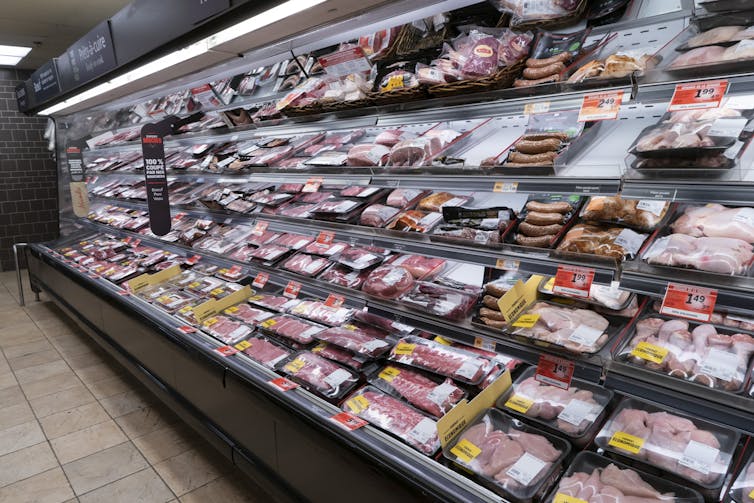
Deli items such as meats, cheeses, and prepared foods react differently to humidity changes. Excess moisture can alter texture and increase spoilage risk.
This leads to:
- Slimy or sticky surfaces
- Loss of visual freshness
- Increased bacterial activity
Such conditions are often linked to temperature causing food spoilage in supermarket, combined with poor humidity control.
7. Airflow Reduction and Moisture Imbalance
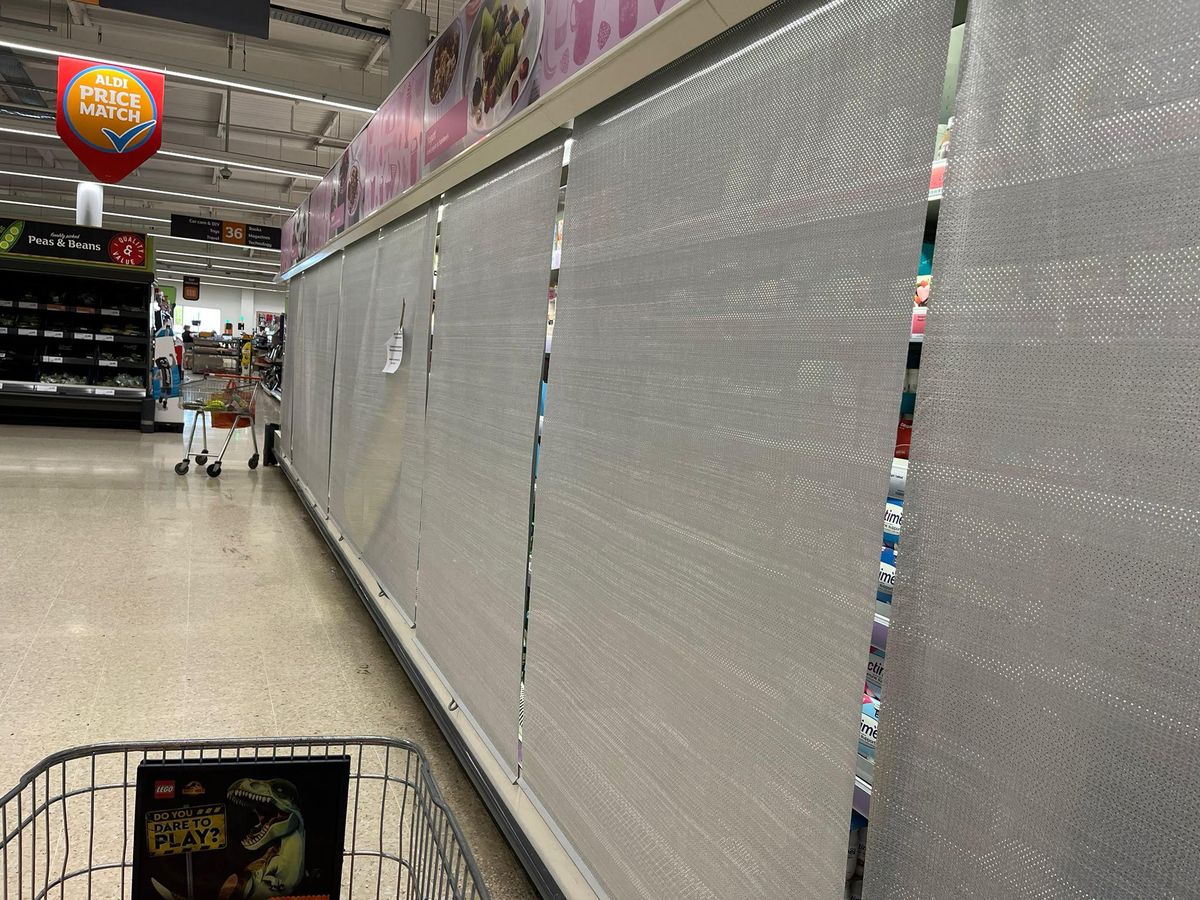
Night covers reduce airflow, which is beneficial for energy savings but can create moisture imbalance if not properly managed.
This results in:
- Uneven humidity distribution
- Moisture buildup in certain zones
- Reduced evaporation inside the case
These conditions contribute to refrigeration airflow problems in display cases, affecting both temperature and humidity balance.
8. Thermal Infiltration and Moisture Entry
Even with covers in place, small gaps can allow warm, humid air to enter the system. This increases internal moisture levels overnight.
This leads to:
- Increased condensation formation
- Additional refrigeration load
- Reduced efficiency of cooling systems
These effects are linked to thermal infiltration in supermarket refrigeration, which impacts overnight performance.
9. Energy Efficiency and Humidity Control
Humidity levels influence how hard refrigeration systems must work. High moisture content in the air increases the energy required to maintain cooling conditions.
This results in:
- Longer compressor runtime
- Increased electricity consumption
- Reduced system efficiency
These factors contribute to refrigeration system using too much electricity, especially during overnight operation.
10. Importance of Proper Cover Installation
Humidity control is closely tied to how well covers are installed. Poor sealing allows moisture exchange with the external environment.
Common issues include:
- Gaps along edges
- Loose cover placement
- Incomplete sealing surfaces
These problems are often seen in problems with supermarket night covers, reducing their effectiveness.
11. Best Practices for Managing Humidity Overnight
To maintain optimal humidity levels in covered refrigerated cases, retailers should adopt proper operational strategies.
Key practices include:
- Ensuring tight cover sealing
- Monitoring humidity levels regularly
- Maintaining proper airflow balance inside the case
These steps support how to improve night cover performance, ensuring both energy efficiency and product quality.
12. Impact on Product Freshness and Waste Reduction
Proper humidity control helps preserve food quality and reduce waste. Balanced moisture levels maintain texture, appearance, and shelf life of products.
Benefits include:
- Improved product freshness
- Reduced spoilage rates
- Better customer satisfaction
This directly supports reduce spoilage in refrigerated display, improving overall retail performance.
Conclusion
Humidity control plays a critical role when covering refrigerated produce and deli cases overnight. While covers help reduce energy loss, they also alter moisture behavior inside the system. Without proper humidity management, condensation, spoilage, and inefficiency can occur, contributing to why fresh food loses quality overnight.
By ensuring proper cover installation and maintaining balanced humidity levels, retailers can improve product quality, reduce energy waste in open refrigerated display cases, and enhance overall refrigeration performance.