Reducing Trim Loss From Temperature Drift and Harmful Lights

 How coverage affects deli meats and salads between trading periods and ways to measure improvements

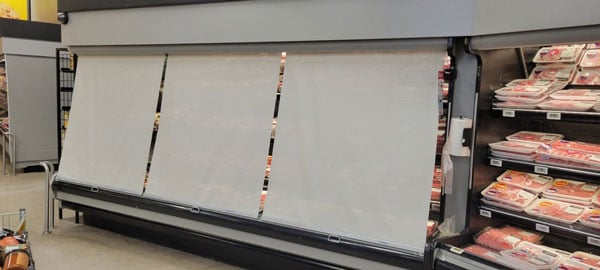
Deli and prepared food cases are among the most sensitive fixtures in supermarkets. Sliced meats, cheeses, and ready-to-eat salads are highly susceptible to temperature fluctuations, moisture loss, and harmful light exposure. Even brief periods of unmanaged conditions between trading hours can result in product trim loss, reduced visual appeal, and increased labor costs. Night covers provide a simple, cost-effective solution to mitigate these risks and preserve quality while supporting operational efficiency.

Why Deli Products Are Vulnerable Overnight

Several factors make deli cases prone to overnight deterioration:

  • Temperature Drift: Open fronts allow cold air to escape, letting ambient store air warm the case, especially in multi-deck or self-serve setups.
  • Moisture Loss: Sliced meats and salads dry out quickly when airflow is uncontrolled, leading to product weight loss and reduced freshness.
  • Harmful Light Exposure: Residual or overhead lighting can accelerate oxidation, discoloration, and off-flavors, particularly in meats and pre-packaged salads.
  • Uneven Case Conditions: Fans, vents, and shelving differences can create hot or dry spots, affecting product quality inconsistently.

These factors contribute to daily trim loss, higher labor costs for rotation and waste removal, and diminished customer perception of freshness.

How Deli Covers Protect Products

Night covers provide a barrier that mitigates the key risks in deli cases:

  • Temperature Stabilization: Covers help maintain a consistent cold-air environment, reducing warm-air intrusion overnight.
  • Moisture Retention: By limiting air movement, covers reduce drying on sliced meats, cheeses, and salads, preserving weight and texture.
  • Reduced Light Exposure: Covers block harmful spectrum emissions, slowing oxidation and color degradation in sensitive items.
  • Even Shelf Conditions: Properly fitted covers ensure uniform protection from front to back and top to bottom, minimizing localized spoilage.

With these benefits, covers help stores reduce trim loss, maintain product appearance, and enhance shopper confidence at opening.

Energy Efficiency and Operational Benefits

In addition to product protection, deli covers contribute to store efficiency:

  • Lower Compressor Workload: Stabilized overnight temperatures reduce compressor cycles, improving energy efficiency.
  • Reduced Labor: Less product drying or discoloration means fewer items require trimming or disposal, freeing staff for merchandising tasks.
  • Consistent Product Presentation: Morning displays retain natural color and moisture, supporting a positive customer experience.

Retailers who implement nightly covers often see measurable reductions in energy consumption and labor costs, while maintaining higher-quality deli offerings.

Choosing the Right Deli Cover

Selecting appropriate covers ensures maximum effectiveness:

  • Fit and Seal: Covers should fully enclose the case, preventing gaps that allow warm air or light penetration.
  • Durable Materials: Food-safe, long-lasting materials resist daily handling, cleaning, and wear.
  • Ease of Use: Covers that are quick to deploy and remove encourage consistent nightly use.
  • Compatibility: Covers must not block fans, vents, or sprinklers that are critical to case operation.

Properly chosen covers allow deli items to maintain moisture, color, and texture overnight, reducing trim loss and spoilage.

Integrating Covers Into Closing Routines

To achieve consistent results, covers should be part of a standard operating procedure:

  1. Step-by-Step SOP: Include cover deployment in nightly checklists, assigning accountability to specific staff members.
  2. Staff Training: Ensure employees understand the benefits for product quality and the correct handling process.
  3. Inspection: Verify alignment, integrity, and absence of gaps before leaving the case overnight.
  4. Performance Tracking: Monitor morning product appearance, case temperatures, and trim loss to measure effectiveness.

Consistent application helps stores minimize overnight losses and maintain higher-quality displays from opening until close.

Department-Specific Considerations

Deli cases house a variety of products, each with unique sensitivities:

  • Sliced Meats: Susceptible to oxidation and drying; moisture retention is critical.
  • Cheeses: Sensitive to light-induced discoloration; covers reduce color changes and surface drying.
  • Prepared Salads and Sandwiches: Prone to moisture loss and texture degradation; consistent overnight protection is essential.

Focusing cover use on these high-risk items delivers the fastest improvement in shrink reduction and visual appeal.

Comparing Covers to Alternative Solutions

While doors or air curtains may help, they often fall short:

  • Doors: Restrict access but may not fully contain cold air in shallow or multi-deck cases.
  • Air Curtains: Reduce warm-air intrusion but cannot prevent light exposure or moisture loss completely.
  • Night Covers: Provide full coverage, maintain consistent temperature and humidity, and block harmful light, making them the most effective solution for deli displays.

Covers are also more cost-effective and operationally simple compared to mechanical solutions.

Measuring Results From Deli Covers

Stores can track improvements with simple metrics:

  • Trim Loss Reduction: Compare pre- and post-cover usage discard weights.
  • Case Temperature Consistency: Monitor overnight readings at different points in the case.
  • Visual Quality: Track morning appearance and freshness across multiple SKUs.
  • Labor Savings: Document reduced handling and trimming time.
    Even small reductions in trim loss can translate into significant cost savings when applied across a full store or multiple locations.

Conclusion

Deli and prepared food cases are highly sensitive to overnight temperature drift, moisture loss, and harmful light exposure. Night covers are a practical, cost-effective solution that preserves product appearance, reduces trim loss, and supports staff efficiency.

By maintaining stable temperatures, reducing moisture evaporation, and blocking harmful light, covers help deli departments present fresh, appealing items to shoppers each morning. When integrated into consistent closing routines, they offer measurable benefits in shrink reduction, labor savings, and energy efficiency.

For supermarkets looking to protect high-value deli items and optimize case performance, commercial-grade night covers are an essential tool. To explore the right solutions for multi-deck, island, and service deli cases, visit www.supermarketcovers.com and discover how nightly protection preserves both product quality and operational efficiency.

The specific risks that open produce displays face after close and why covers matter most for greens and berries

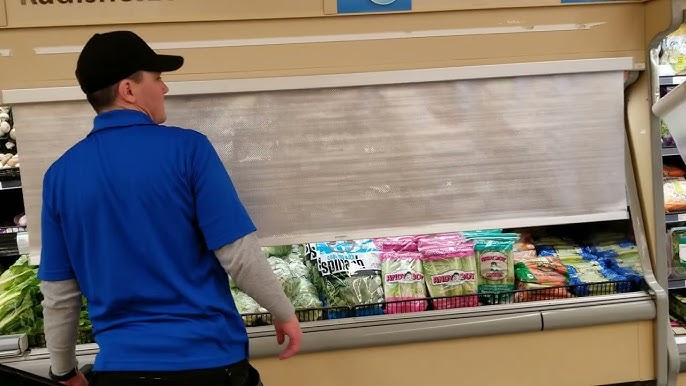
Open produce cases are some of the most challenging refrigerated fixtures to manage overnight. Leafy greens, berries, and delicate herbs are highly sensitive to temperature fluctuations, moisture loss, and harmful light exposure. Even a few hours of unmanaged conditions can result in wilted lettuce, shriveled spinach, or berries that lose their vibrancy by morning. Night covers provide a practical solution to these challenges, preserving both appearance and shelf life while supporting overall store efficiency.

Why Produce Suffers Overnight

Several factors make open produce displays particularly vulnerable after hours:

  • Cold Air Loss: Open fronts allow chilled air to escape, letting ambient air raise the case temperature.
  • Moisture Evaporation: Air exchange increases dehydration, causing leaves to wilt and berries to dry.
  • Harmful Light Exposure: Even dim lights left on after store close can accelerate oxidation and discoloration.
  • Uneven Cooling: Multi-deck cases may experience temperature differences from top to bottom or front to back, affecting product uniformly.

These issues lead to higher discard rates, additional labor for staff, and reduced shopper satisfaction due to diminished visual appeal.

How Night Covers Protect Produce

Night covers act as a barrier that mitigates the key risks to produce:

  • Temperature Stabilization: Covers trap cold air, preventing warm-air infiltration and maintaining consistent temperatures across the case.
  • Moisture Retention: By limiting air movement, covers reduce dehydration, keeping leafy greens crisp and berries plump.
  • Reduced Light Exposure: Covers block residual store lighting or harmful spectrum emissions, which can accelerate browning and color loss.
  • Even Shelf Conditions: Properly sized covers ensure top-to-bottom and front-to-back consistency, preventing localized spoilage.

With these benefits, night covers directly contribute to lower shrink, better morning presentation, and fewer labor hours spent removing damaged produce.

Energy Efficiency Advantages

Beyond product preservation, night covers also support energy savings:

  • Reduced Compressor Cycles: Stabilized temperatures reduce the frequency of compressor activation overnight.
  • Lower Energy Consumption: Less cold air loss means refrigeration systems work more efficiently.
  • Operational Savings: Energy savings contribute to lower utility costs, supporting broader sustainability initiatives.

Retailers who implement nightly coverage often see measurable reductions in electricity usage, particularly in open multi-deck and island produce cases.

Choosing the Right Cover for Produce

Selecting the appropriate cover ensures maximum effectiveness:

  • Fit and Seal: Covers must fully enclose the case to prevent gaps that allow cold air and harmful light penetration.
  • Material: Durable, food-safe materials resist wear, cleaning, and daily handling stress.
  • Ease of Use: Simple installation and removal encourage consistent nightly use.
  • Compatibility: Covers should not block fans, vents, or sprinkler systems in the produce case.

Properly chosen covers allow produce to maintain its natural color, texture, and moisture overnight.

Integrating Covers Into Nightly Routines

To ensure consistent benefits, covers should be part of a standard closing routine:

  1. Step-by-Step SOP: Include cover deployment in the nightly checklist, clearly assigning responsibility.
  2. Staff Training: Employees should understand the benefits for producing quality and the proper handling process.
  3. Inspection: Check for tears, gaps, or misalignment that could reduce effectiveness.
  4. Performance Monitoring: Track morning appearance, case temperatures, and shrink data to evaluate success.

Consistent use reduces produce discard, improves staff efficiency, and enhances shopper experience in the morning.

Department-Specific Considerations

While all produce benefits, some items are particularly sensitive:

  • Leafy Greens: Lettuce, spinach, and kale are prone to wilting; moisture retention is critical.
  • Berries: Strawberries, blueberries, and raspberries lose sheen and firmness quickly without protection.
  • Herbs: Fresh herbs dry out overnight, losing both aroma and texture.

Targeted coverage for these high-risk items can provide the most immediate reduction in shrink and labor effort.

Night Covers vs Other Overnight Solutions

Alternative approaches like store doors or air curtains can provide partial benefits:

  • Doors: May restrict access but often fail to fully contain cold air, especially in shallow or wide produce cases.
  • Air Curtains: Help reduce warm-air infiltration but cannot fully prevent moisture loss or light exposure.
  • Night Covers: Provide complete coverage, block harmful light, and maintain consistent cold air, making them the most effective solution for delicate produce.

Covers are also more cost-effective and operationally simple compared with mechanical solutions that require maintenance.

Conclusion

Open produce cases face unique overnight challenges, including temperature fluctuations, dehydration, and exposure to harmful light. Night covers are a simple, practical solution that protects delicate leafy greens, berries, and herbs while reducing shrink, labor, and energy costs.

By stabilizing temperatures, retaining moisture, and blocking harmful light, night covers help produce departments deliver fresh, appealing products to shoppers every morning. When integrated into consistent nightly routines, these covers are an essential tool for preserving quality, reducing waste, and improving store efficiency.

For supermarkets seeking to protect high-value produce and optimize case performance, commercial-grade night covers are a cost-effective, operationally simple solution. To learn more about covers designed for multi-deck, island, and coffin product cases, visit www.supermarketcovers.com and explore how nightly protection supports both product quality and operational efficiency.
Quick Contact
We'll get back to you shortly.