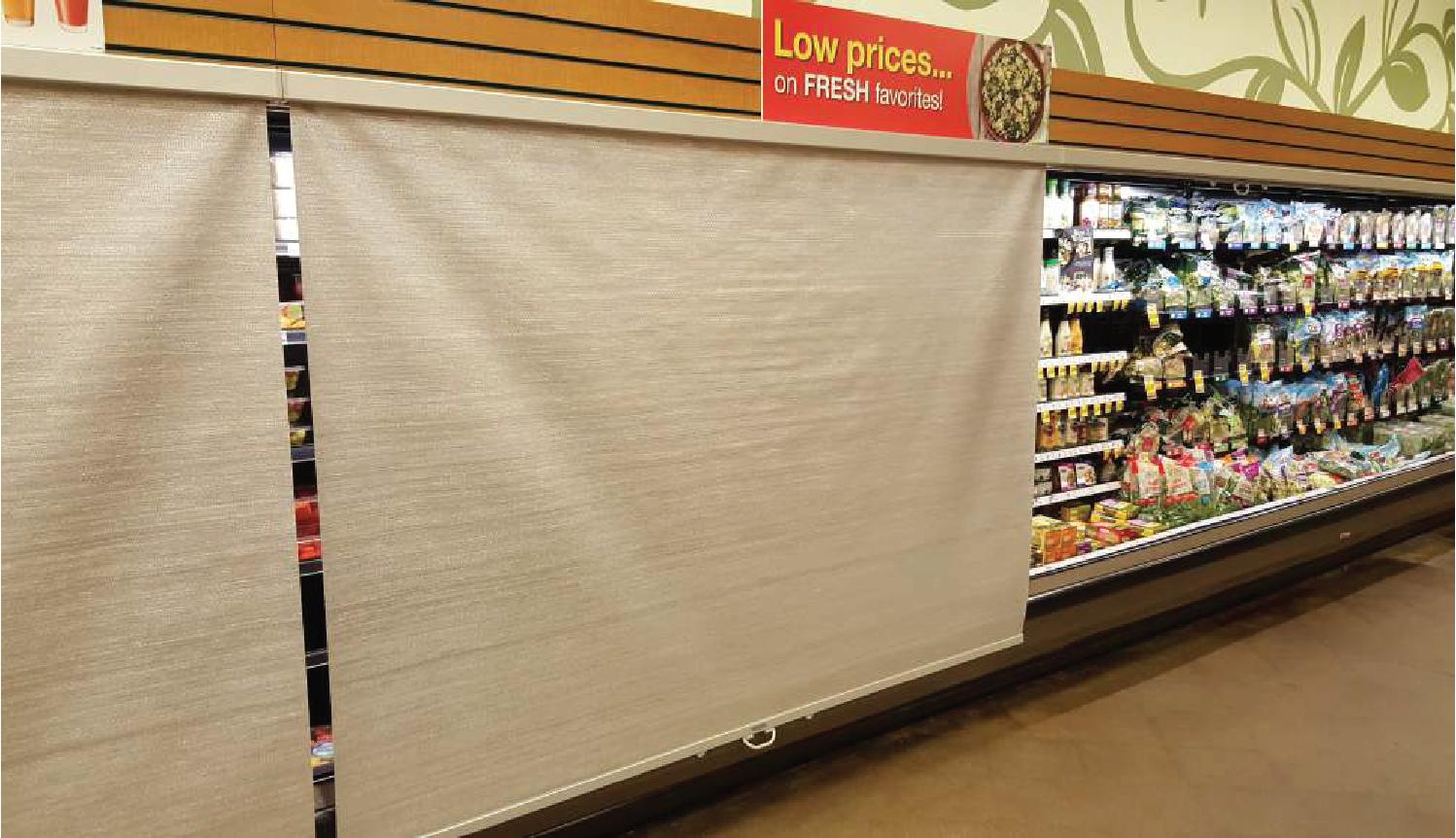
Refrigerated Case Covers

Introduction

After a supermarket remodel, attention is usually focused on layout, lighting, and merchandising but refrigeration systems often undergo subtle changes that go unnoticed. One of the most critical yet overlooked steps is auditing case covers. Many retailers later discover why refrigerated display case losing cold air becomes a recurring issue, even though covers were previously working well. The reason often lies in how remodel changes affect alignment, airflow, and sealing performance.

  1. Structural Changes Affect Cover Alignment: Store remodels frequently involve floor leveling, case repositioning, or fixture replacement. Even minor structural adjustments can alter how covers sit on refrigerated cases.
    This can lead to:

    • Misaligned edges between cover and frame
    • Uneven contact surfaces
    • Small gaps that were not present before
      These changes directly impact sealing performance and contribute to cold air escaping from display case, increasing energy loss over time.
  2. Changes in Case Positioning and Layout: When refrigerated cases are moved or rearranged, their interaction with surrounding airflow and ambient conditions also changes.
    This results in:

    • Different exposure to air currents
    • Altered airflow patterns around cases
    • Increased vulnerability to thermal imbalance
      Such shifts often lead to open display case temperature not stable, even when refrigeration systems are functioning correctly.
  3. Impact of New Flooring and Leveling: New flooring installations can create slight height differences or uneven surfaces. These changes may not be visible but can significantly affect how covers rest on the case.
    Consequences include:

    • Gaps along edges or corners
    • Reduced pressure contact for sealing
    • Increased air leakage overnight
      These issues are a common cause of why refrigeration covers fail to seal after remodels.
  4. HVAC and Airflow Changes After Remodel: Remodel projects often include HVAC adjustments to improve store comfort or efficiency. However, these changes can unintentionally affect refrigeration performance.
    New airflow patterns can:

    • Push against covers and weaken sealing
    • Increase air movement around display cases
    • Disrupt internal airflow balance
      This contributes to refrigeration airflow problems in display cases, reducing overall system efficiency.
  5. Lighting Upgrades and Heat Impact: Modern remodels frequently include lighting upgrades, such as new LED systems. While more efficient, these systems still produce heat that affects nearby refrigerated cases.
    This leads to:

    • Increased surface heat around displays
    • Higher cooling demand
    • Reduced temperature stability overnight
      These effects are part of heat gain in refrigerated display case causes, especially when combined with poor cover sealing.
  6. Increased Risk of Thermal Infiltration: After a remodel, even small changes in layout and structure can increase exposure to ambient air.
    This results in:

    • Greater warm air entry into refrigerated zones
    • Continuous cold air loss
    • Increased system workload
      These conditions are directly related to thermal infiltration in supermarket refrigeration, which becomes more noticeable after structural changes.
  7. Why Covers That Worked Before Start Failing: Many retailers assume that existing covers will perform the same after a remodel. However, even minor environmental changes can reduce their effectiveness.
    Common issues include:

    • Covers no longer fitting perfectly
    • Increased gaps due to misalignment
    • Reduced sealing pressure across edges
      These problems explain why night covers not working properly, even when no changes were made to the covers themselves.
  8. Energy Consumption Increases Without Obvious Cause: After remodels, energy bills often rise without a clear explanation. This is frequently linked to unnoticed refrigeration inefficiencies.
    Poor cover performance leads to:

    • Continuous cold air leakage
    • Increased compressor runtime
    • Higher electricity usage
      These factors contribute to why supermarket energy bill is high refrigeration, especially in stores with multiple open cases.
  9. Product Temperature and Quality Risks: When covers do not seal properly, temperature instability inside the case increases. This directly affects product quality.
    Retailers may observe:

    • Uneven cooling across products
    • Faster spoilage rates
    • Reduced shelf life for perishable items
      These issues contribute to why food spoils faster in display case, impacting both profitability and customer satisfaction.
  10. Importance of Post-Remodel Cover Audits: Conducting a cover audit after any remodel ensures that refrigeration systems are functioning as intended.
    An effective audit includes:

    • Checking alignment of covers with case edges
    • Inspecting for gaps or sealing issues
    • Evaluating airflow interaction with covers
      This helps identify refrigeration performance issues supermarket before they become costly problems.
  11. Correcting Installation and Sealing Issues: If issues are detected during an audit, corrective actions should be taken immediately.
    Solutions include:

    • Repositioning covers for proper alignment
    • Adjusting mounting or fastening systems
    • Replacing worn or incompatible components
      These steps help restore performance and support how to improve night cover performance in remodeled stores.
  12. Long-Term Benefits of Regular Auditing: Regular auditing ensures that refrigeration systems continue to perform efficiently over time, especially after structural changes.
    Benefits include:

    • Reduced energy loss
    • Improved temperature stability
    • Better product preservation
      This supports how to reduce refrigeration energy loss, helping retailers maintain efficient operations.

Conclusion

Refrigerated case covers should always be audited after store remodels because even minor structural, airflow, or layout changes can significantly impact their performance. Misalignment, airflow disruption, and sealing gaps lead to cold air leakage and increased energy consumption, explaining why refrigerated display case losing cold air becomes a common issue post-remodel.
By conducting proper audits and making necessary adjustments, retailers can reduce energy waste in open refrigerated display cases, improve temperature stability, and ensure optimal refrigeration performance.

For More Information

For more insights on refrigeration efficiency and supermarket cover solutions, visit https://www.supermarketcovers.com.
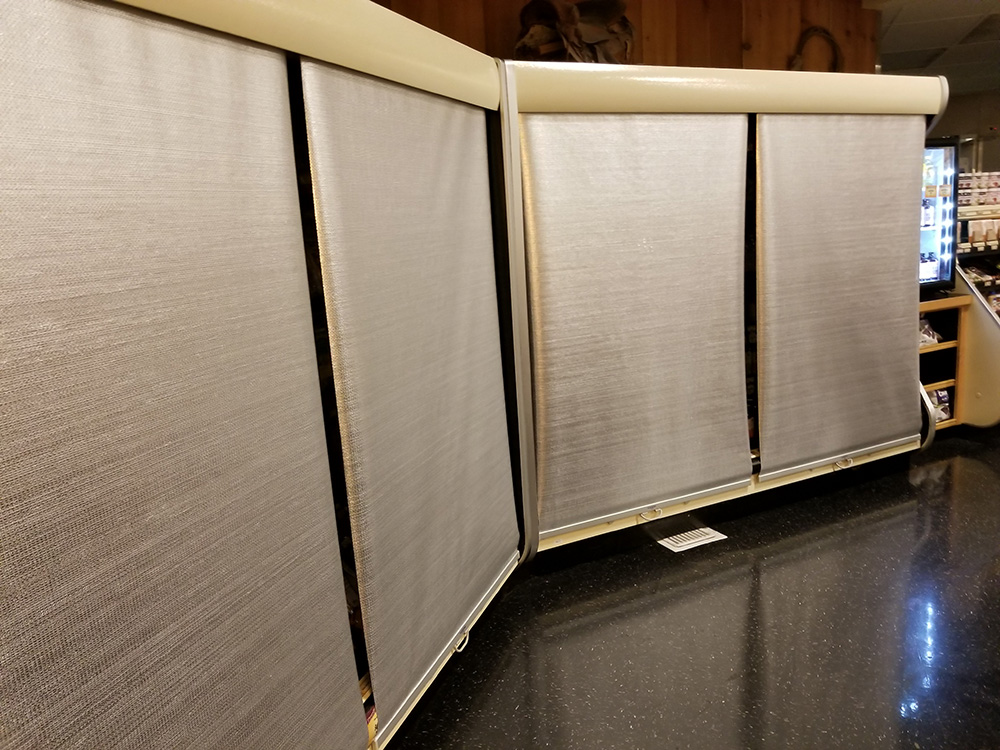
HVAC Settings

Introduction

Supermarket covers are designed to improve energy efficiency and stabilize temperature in open refrigerated displays, especially during overnight hours. However, many retailers overlook how store-wide HVAC settings interact with these systems. Even when covers are installed correctly, improper HVAC configuration can reduce their effectiveness and lead to persistent energy waste in open refrigerated display cases.

Understanding this interaction is essential for improving refrigeration performance, reducing costs, and maintaining consistent product quality.

  1. The Connection Between HVAC and Refrigeration Systems: HVAC systems control the overall indoor climate, while refrigeration systems maintain product-level cooling. In supermarkets, both systems share the same air environment, which means changes in HVAC settings directly influence refrigeration behavior.
    When HVAC airflow or temperature settings are not aligned with refrigeration needs:

    • Air pressure differences increase
    • Temperature gradients develop across the store
    • Refrigerated cases lose thermal stability
      This interaction is a key factor behind supermarket refrigeration not maintaining temperature, even when equipment is functioning properly.
  2. How Air Pressure Imbalance Affects Covers: HVAC systems regulate air pressure throughout the store. If airflow is too strong or uneven, it can disrupt how night covers sit on refrigerated cases.
    This results in:

    • Covers lifting slightly at the edges
    • Reduced sealing contact
    • Increased air leakage into the case
      These conditions often explain why refrigeration covers fail to seal, especially in stores with aggressive air circulation settings.
  3.  Airflow Direction and Cover Performance: The direction of HVAC airflow plays a critical role in how effective covers are. If airflow is directed toward refrigerated displays, it can push against the cover surface.
    This leads to:

    • Distortion of cover alignment
    • Weakening of seal integrity
    • Increased cold air escape
      These issues contribute to refrigeration airflow problems in display cases, even when internal case systems are functioning correctly.
  4.  Temperature Settings and Thermal Imbalance: HVAC temperature settings that are too high or fluctuate overnight can introduce additional heat into the store environment. This heat interacts with refrigerated cases, increasing their cooling load.
    As a result:

    • Refrigeration systems work harder to maintain temperature
    • Cooling recovery time increases
    • Energy consumption rises
      This imbalance is a major reason behind why refrigeration efficiency drops at night, despite reduced store activity.
  5. Warm Air Infiltration from HVAC Circulation: HVAC systems continuously circulate air throughout the store. If this air is warmer than the refrigerated environment, it can infiltrate display cases even when covers are in place.
    This causes:

    • Gradual warming inside the case
    • Increased moisture buildup
    • Reduced cooling efficiency
      These conditions contribute to thermal infiltration in supermarket refrigeration, which remains active overnight.
  6.  Impact on Temperature Stability Inside Covered Cases: When HVAC settings are not optimized, internal temperatures within covered cases become unstable.
    Retailers may observe:

    • Uneven cooling across product zones
    • Fluctuating temperature readings
    • Increased compressor cycling
      These symptoms are linked to uneven temperature in refrigerated display case, affecting both system performance and food safety.
  7. Energy Consumption and System Interaction: Poor coordination between HVAC and refrigeration systems leads to unnecessary energy usage. When HVAC introduces additional heat or airflow pressure, refrigeration systems must compensate.
    This results in:

    • Higher electricity consumption
    • Continuous system adjustments
    • Reduced efficiency across both systems
      These effects contribute to refrigeration system using too much electricity, increasing operational costs.
  8. Why Covers Alone Cannot Solve Energy Loss: Many retailers rely on covers as a primary solution for reducing energy loss. However, covers can only perform effectively when the surrounding environment is stable.
    If HVAC settings are not optimized:

    • Covers cannot fully prevent air exchange
    • External airflow weakens sealing performance
    • Thermal imbalance continues despite coverage
      This highlights why refrigerated display case losing cold air, even when covers are installed.
  9. Nighttime HVAC Settings and Refrigeration Load: During overnight hours, HVAC systems are often adjusted to energy-saving modes. However, improper settings can unintentionally increase refrigeration load.
    This happens when:

    • Temperature setpoints are raised too high
    • Air circulation remains excessive
    • Humidity control is not balanced
      These factors contribute to why refrigerated case warms up overnight, affecting both energy efficiency and product quality.
  10. Best Practices for HVAC and Cover Integration: To maximize cover effectiveness, HVAC settings must be aligned with refrigeration system requirements.
    Recommended practices include:

    • Reducing direct airflow toward refrigerated cases
    • Maintaining stable overnight temperature settings
    • Balancing humidity levels to prevent condensation
      These adjustments help improve overall system performance and reduce energy loss.
  11. Improving Cover Performance Through System Coordination: Effective refrigeration performance depends on coordination between HVAC and display systems. When both are optimized together:
    • Covers seal more effectively
    • Airflow remains stable
    • Energy consumption decreases
      This directly supports how to improve night cover performance, ensuring better results from existing systems.
  12. Impact on Food Quality and Shelf Life: HVAC-related inefficiencies not only affect energy usage but also influence product quality. Temperature instability caused by poor coordination can accelerate spoilage.
    This leads to:

    • Reduced freshness of perishable goods
    • Increased product waste
    • Inconsistent display quality

These issues contribute to temperature causing food spoilage in supermarket, even when refrigeration systems are active.

Conclusion

Store HVAC settings play a critical role in determining the effectiveness of supermarket covers. Improper airflow, temperature imbalance, and pressure differences can reduce sealing efficiency and increase energy loss. As a result, energy waste in open refrigerated display cases continues despite the use of covers.

By aligning HVAC settings with refrigeration system requirements, retailers can improve temperature stability, reduce refrigeration system using too much electricity, and enhance overall energy efficiency.

For More Information

For more insights on refrigeration efficiency and supermarket cover solutions, visit https://www.supermarketcovers.com.

Quick Contact
We'll get back to you shortly.