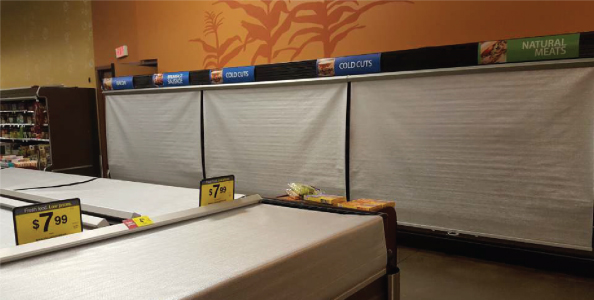
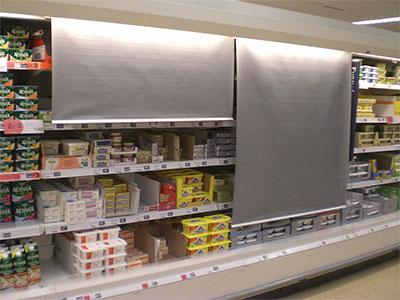
Refrigeration Covers for Dairy

How overnight ambient air and harmful lights impact dairy and what good covers do to stabilize conditions

Dairy products like cheese, butter, and specialty spreads are some of the most visually sensitive items in supermarkets. Customers expect uniform color, texture, and freshness every time they shop. Yet overnight conditions in open or partially covered dairy cases can create unwanted changes, including surface drying, color shifts, and accelerated spoilage.

Why Dairy Changes Overnight

Several environmental factors contribute to overnight changes in dairy:

  • Ambient Air Exposure:Open or uncovered cases allow warmer store air to enter, which can lead to uneven cooling and slight temperature increases that affect fats and proteins.
  • Temperature Swings:Even minor fluctuations can alter texture and accelerate spoilage, particularly in soft cheeses and butter.
  • Light Exposure:Residual lighting, particularly fluorescent or high-intensity LED, can cause color fading or oxidation in dairy fats, altering appearance and perceived freshness.
  • Airflow Patterns:Fans and vents can create uneven cooling, drying some products faster than others, especially on the front row closest to the glass.

These conditions can make cheese appear dull, butter lose its creamy sheen, and overall displays look less fresh, which impacts both sales and customer perception.

How Refrigeration Covers Protect Dairy

High-quality refrigeration covers provide multiple benefits to preserve dairy overnight:

  • Temperature Stabilization:Covers trap cold air inside the case, reducing fluctuations that can affect texture and flavor. Stable temperatures slow the natural degradation of fats and proteins.
  • Moisture Retention:By reducing airflow, covers limit surface drying, keeping cheeses and butter looking creamy and preventing hard edges or cracks.
  • Light Protection:Covers block residual or harmful light exposure, minimizing color shifts and oxidation that can make products appear less appealing.
  • Even Case Conditions:Covers help maintain consistent environmental conditions from front to back of the case, ensuring all products receive equal protection.

When applied consistently, covers help dairy maintain its natural appearance and reduce discard due to perceived quality issues.

Operational Advantages of Dairy Covers

Using refrigeration covers provides benefits beyond product appearance:

  • Reduced Waste:Fewer visually degraded items mean less discard, lowering costs and increasing profitability.
  • Labor Efficiency:Staff spend less time rotating, trimming, or replacing dried-out or discolored products.
  • Energy Savings:Containing cold air reduces the demand on compressors, improving overall case efficiency.
  • Customer Satisfaction:Shoppers consistently encounter visually appealing products, which enhances brand trust and encourages repeat visits.

Measuring these improvements helps stores quantify the ROI of using dairy-specific covers and supports continuous operational improvements.

Choosing the Right Covers for Dairy Cases

Selecting covers designed for dairy cases ensures maximum benefit:

  • Proper Fit and Seal: Covers should completely enclose the case to prevent air leaks and light exposure.
  • Food-Safe Materials:Durable, easy-to-clean materials withstand daily handling, moisture, and cold without degrading.
  • Ease of Handling:Covers that are lightweight and simple to deploy encourage consistent nightly use among staff.
  • Compatibility With Case Features:Covers must not block vents, fans, or sprinklers essential for proper refrigeration.

Covers that meet these criteria provide consistent protection while being practical for store staff.

Integrating Covers Into Nightly SOPs

To achieve consistent results, refrigeration covers should be incorporated into routine closing procedures:

  1. Step-by-Step Routine:Include cover deployment as part of the standard closing checklist, with clear staff accountability.
  2. Staff Training:Educate employees on the impact covers have on dairy quality and demonstrate proper handling and alignment.
  3. Inspection:Verify that covers are correctly placed and sealed each night.
  4. Performance Monitoring:Track morning product appearance, moisture retention, and color consistency to ensure covers are delivering expected benefits.

Consistent implementation reinforces the value of covers and ensures that dairy products remain attractive and saleable.

Department-Specific Considerations

Different dairy products respond differently to overnight conditions:

  • Soft Cheeses: Sensitive to temperature swings and surface drying; proper cover fit prevents shrinkage and surface cracking.
  • Butter and Margarine:Surface sheen is affected by air and light exposure; covers help maintain uniform appearance.
  • Specialty Dairy:Yogurts, spreads, and flavored cheeses are sensitive to both temperature and light, making consistent overnight coverage critical.

Recognizing these differences allows stores to prioritize protective measures where they will have the most impact.

Comparing Covers to Alternatives

While some stores may consider other methods for preserving dairy:

  • Glass Doors:Limit accessibility and convenience, and may not prevent light exposure or localized temperature fluctuations in open multi-deck cases.
  • Air Curtains:Reduce air intrusion but do not block light and cannot prevent moisture loss from surface evaporation.
  • Refrigeration Covers:Offer comprehensive protection against temperature swings, moisture loss, and harmful light, while remaining operationally simple and cost-effective.

Covers remain the most practical solution for maintaining dairy appearance overnight.

Measuring Impact

Stores can evaluate the effectiveness of dairy covers through simple metrics:

  • Visual Consistency:Inspect color and surface sheen of cheese and butter in the morning.
  • Moisture Retention:Compare pre- and post-coverage weight or surface dryness.
  • Waste Reduction:Track discarded items before and after cover implementation.
  • Labor Savings:Monitor time spent rotating or replacing dairy affected by overnight conditions.

Even minor improvements in these areas can translate to significant cost savings and enhanced customer perception.

Conclusion

Dairy products are highly sensitive to overnight changes caused by ambient air, temperature swings, airflow, and harmful light exposure. Refrigeration covers provide a practical, effective solution to maintain consistent appearance, reduce waste, and protect profitability.

By stabilizing temperature, retaining moisture, and blocking light, covers ensure cheese, butter, and other dairy products remain visually appealing and saleable. Integrated into consistent nightly SOPs, covers improve operational efficiency, reduce labor, and support energy savings.

For supermarkets aiming to preserve dairy quality, reduce discard, and enhance morning presentation, high-quality refrigeration covers are an essential tool. To explore options for multi-deck, coffin, or specialty dairy cases, visit www.refrigerationcovers.com for solutions that protect products and improve store performance.
Preventing Color Shift and Moisture Loss Overnight

Ways overnight conditions change appearance and why coverage preserves front-row appeal in the morning

Fresh meat is one of the most visually sensitive categories in supermarkets. Shoppers select products based on color, texture, and overall presentation. Even small changes overnight can create a “front-row” problem, where the cuts nearest to the glass appear darker, dull, or dry, while the back row remains less affected. Night covers are a simple, effective solution to preserve the visual and sensory quality of meat overnight, helping stores reduce waste and maintain customer confidence at opening.

Why Meat Changes Overnight

Several factors contribute to overnight color and moisture shifts in meat cases:

  • Temperature Fluctuations: Open-front cases allow cold air to escape and ambient store air to enter. These temperature swings accelerate oxidation, resulting in browning or uneven coloration.
  • Moisture Loss: Air movement within the case dries the surface of cuts, causing weight loss and reducing the juicy appearance that shoppers expect.
  • Light Exposure: Residual or overhead lighting can speed up oxidation and surface discoloration, particularly in red meats and ground beef.

How Meat Case Covers Protect Color and Moisture

Night covers provide targeted protection against the most common overnight issues:

  • Temperature Stabilization: Covers contain cold air within the case, reducing thermal fluctuations and slowing oxidation reactions on the meat surface.
  • Moisture Retention:By limiting exposure to moving air, covers help maintain surface moisture, preserving the natural sheen and weight of cuts.
  • Light Blocking: Effective covers reduce exposure to harmful light wavelengths, minimizing color shift and maintaining the vibrant red or pink hues that customers associate with freshness.
  • Even Shelf Conditions:Properly fitted covers ensure that both front and back rows of meat receive uniform protection, reducing discrepancies in appearance.

Consistent application of covers ensures that front-row cuts, which are the most visible and influential for purchasing decisions, remain attractive and saleable.

Operational and Financial Benefits

Using night covers offers advantages beyond product quality:

  • Reduced Trim Loss:Maintaining surface moisture and color lowers the volume of discarded meat, directly impacting profitability.
  • Labor Efficiency:Staff spend less time trimming dried or discolored edges, freeing them for merchandising, inventory management, and customer service.
  • Energy Savings:Stabilized overnight temperatures reduce compressor cycles and energy consumption, contributing to overall cost reduction.
  • Improved Customer Experience:Shoppers consistently encounter visually appealing meat, enhancing trust and encouraging repeat visits.

When stores measure these benefits, even small daily improvements can compound into significant cost and labor savings across multiple cases and locations.

Selecting the Right Meat Case Covers

To maximize effectiveness, covers should be chosen carefully:

  • Full Fit and Seal:Covers must enclose the case completely to prevent warm air and light penetration. Gaps at edges or corners compromise protection.
  • Durable, Food-Safe Materials:Covers should withstand daily handling, cleaning, and exposure to cold and moisture without degradation.
  • Ease of Use:Covers that are quick to deploy and remove encourage nightly consistency among staff.
  • Compatibility with Case Features:Covers must not block fans, vents, or sprinklers critical for meat preservation.

Proper selection ensures that covers maintain both color and moisture while supporting staff efficiency.

Integrating Covers Into Closing Routines

Effective cover use relies on a consistent SOP:

  1. Step-by-Step Process:Include cover deployment in nightly closing checklists with clear accountability.
  2. Employee Training:Ensure staff understand the impact on meat quality and the correct handling procedures.
  3. Inspection: Verify proper alignment and seal before leaving the case overnight.
  4. Performance Monitoring: Track morning appearance, color consistency, and moisture retention to measure the effectiveness of the cover system.

By following these steps, stores can ensure that covers consistently deliver the intended protective benefits.

Department-Specific Considerations

Different meat products respond differently to overnight conditions:

  • Ground Beef:Particularly sensitive to oxidation; color can turn brown quickly without protection.
  • Steaks and Chops:Moisture loss and drying on the edges impact both weight and visual appeal.
  • Poultry:Skin can develop a gray or yellow cast if exposed to light or uneven airflow.
  • Prepared or Marinated Meats:Appearance and texture can be compromised if moisture evaporates or color shifts occur.

Understanding these nuances helps retailers prioritize coverage and focus monitoring efforts on the most sensitive SKUs.

Comparing Covers to Alternatives

While doors or air curtains may offer partial solutions, they often fall short:

  • Glass Doors:Can limit access and customer convenience while not fully preventing color or moisture shifts in shallow or multi-deck cases.
  • Air Curtains:Reduce warm air intrusion but do not block light or ensure even moisture retention.
  • Night Covers:Provide complete protection for temperature, moisture, and light exposure, while being operationally simple and cost-effective.

Covers are the most practical solution for preserving meat quality overnight.

Measuring Impact

Stores can quantify cover benefits using simple metrics:

  • Trim Loss:Track discarded product weight before and after implementing covers.
  • Color Consistency:Visual inspection or photos of front-row vs back-row cuts each morning.
  • Moisture Retention:Compare pre- and post-coverage weight of sensitive SKUs.
  • Labor Efficiency:Document reductions in trimming and rotation time.

Even modest improvements in these areas can translate to meaningful cost savings and improved customer satisfaction.

Conclusion

Meat display cases are highly sensitive to overnight temperature fluctuations, moisture loss, and light exposure. Night covers offer a practical solution to preserve front-row appeal, reduce trim loss, and support operational efficiency.

By stabilizing temperature, retaining surface moisture, and blocking harmful light, covers help maintain the natural color and freshness of meat. Integrated into consistent closing routines, covers protect product quality, reduce labor, and improve energy efficiency, creating tangible benefits for both staff and customers.

For supermarkets seeking to preserve meat appearance, reduce waste, and optimize display performance, high-quality night covers are an essential tool. To explore the best solutions for service, self-serve, and multi-deck meat cases, visit www.supermarketcovers.com and learn how nightly protection improves both product quality and store operations.

Quick Contact
We'll get back to you shortly.