Introduction
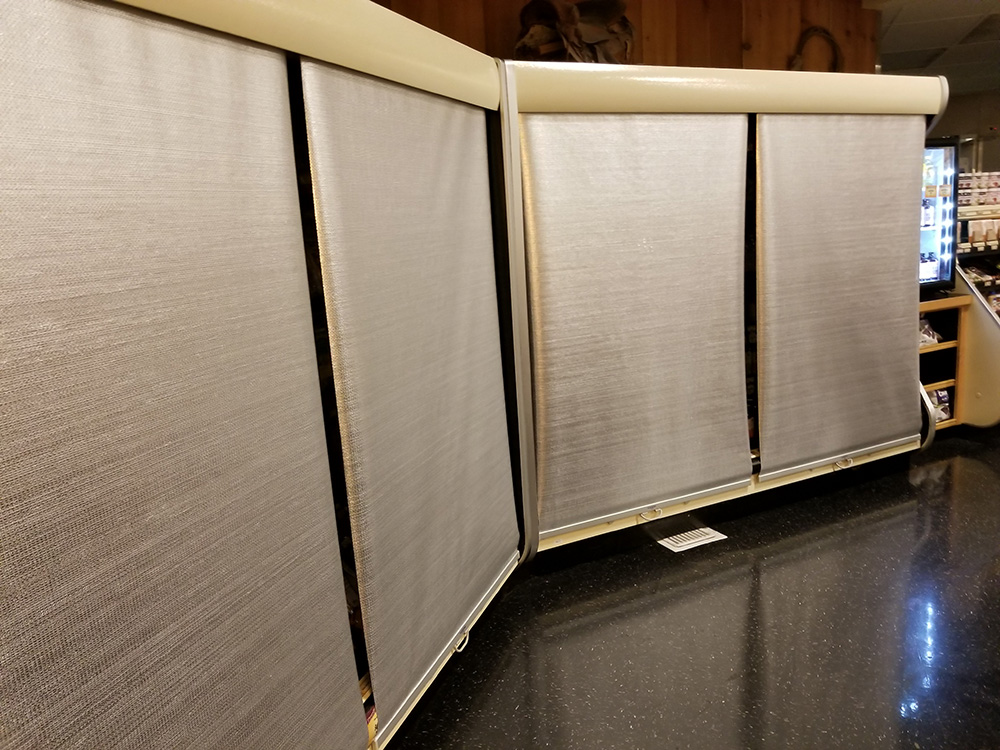
Supermarket covers are designed to improve energy efficiency and stabilize temperature in open refrigerated displays, especially during overnight hours. However, many retailers overlook how store-wide HVAC settings interact with these systems. Even when covers are installed correctly, improper HVAC configuration can reduce their effectiveness and lead to persistent energy waste in open refrigerated display cases.
Understanding this interaction is essential for improving refrigeration performance, reducing costs, and maintaining consistent product quality.
- The Connection Between HVAC and Refrigeration Systems: HVAC systems control the overall indoor climate, while refrigeration systems maintain product-level cooling. In supermarkets, both systems share the same air environment, which means changes in HVAC settings directly influence refrigeration behavior.
When HVAC airflow or temperature settings are not aligned with refrigeration needs:- Air pressure differences increase
- Temperature gradients develop across the store
- Refrigerated cases lose thermal stability
This interaction is a key factor behind supermarket refrigeration not maintaining temperature, even when equipment is functioning properly.
- How Air Pressure Imbalance Affects Covers: HVAC systems regulate air pressure throughout the store. If airflow is too strong or uneven, it can disrupt how night covers sit on refrigerated cases.
This results in:- Covers lifting slightly at the edges
- Reduced sealing contact
- Increased air leakage into the case
These conditions often explain why refrigeration covers fail to seal, especially in stores with aggressive air circulation settings.
- Airflow Direction and Cover Performance: The direction of HVAC airflow plays a critical role in how effective covers are. If airflow is directed toward refrigerated displays, it can push against the cover surface.
This leads to:
- Distortion of cover alignment
- Weakening of seal integrity
- Increased cold air escape
These issues contribute to refrigeration airflow problems in display cases, even when internal case systems are functioning correctly.
- Temperature Settings and Thermal Imbalance: HVAC temperature settings that are too high or fluctuate overnight can introduce additional heat into the store environment. This heat interacts with refrigerated cases, increasing their cooling load.
As a result:- Refrigeration systems work harder to maintain temperature
- Cooling recovery time increases
- Energy consumption rises
This imbalance is a major reason behind why refrigeration efficiency drops at night, despite reduced store activity.
- Warm Air Infiltration from HVAC Circulation: HVAC systems continuously circulate air throughout the store. If this air is warmer than the refrigerated environment, it can infiltrate display cases even when covers are in place.
This causes:- Gradual warming inside the case
- Increased moisture buildup
- Reduced cooling efficiency
These conditions contribute to thermal infiltration in supermarket refrigeration, which remains active overnight.
- Impact on Temperature Stability Inside Covered Cases: When HVAC settings are not optimized, internal temperatures within covered cases become unstable.
Retailers may observe:- Uneven cooling across product zones
- Fluctuating temperature readings
- Increased compressor cycling
These symptoms are linked to uneven temperature in refrigerated display case, affecting both system performance and food safety.
- Energy Consumption and System Interaction: Poor coordination between HVAC and refrigeration systems leads to unnecessary energy usage. When HVAC introduces additional heat or airflow pressure, refrigeration systems must compensate.
This results in:- Higher electricity consumption
- Continuous system adjustments
- Reduced efficiency across both systems
These effects contribute to refrigeration system using too much electricity, increasing operational costs.
- Why Covers Alone Cannot Solve Energy Loss: Many retailers rely on covers as a primary solution for reducing energy loss. However, covers can only perform effectively when the surrounding environment is stable.
If HVAC settings are not optimized:- Covers cannot fully prevent air exchange
- External airflow weakens sealing performance
- Thermal imbalance continues despite coverage
This highlights why refrigerated display case losing cold air, even when covers are installed.
- Nighttime HVAC Settings and Refrigeration Load: During overnight hours, HVAC systems are often adjusted to energy-saving modes. However, improper settings can unintentionally increase refrigeration load.
This happens when:- Temperature setpoints are raised too high
- Air circulation remains excessive
- Humidity control is not balanced
These factors contribute to why refrigerated case warms up overnight, affecting both energy efficiency and product quality.
- Best Practices for HVAC and Cover Integration: To maximize cover effectiveness, HVAC settings must be aligned with refrigeration system requirements.
Recommended practices include:- Reducing direct airflow toward refrigerated cases
- Maintaining stable overnight temperature settings
- Balancing humidity levels to prevent condensation
These adjustments help improve overall system performance and reduce energy loss.
- Improving Cover Performance Through System Coordination: Effective refrigeration performance depends on coordination between HVAC and display systems. When both are optimized together:
- Covers seal more effectively
- Airflow remains stable
- Energy consumption decreases
This directly supports how to improve night cover performance, ensuring better results from existing systems.
- Impact on Food Quality and Shelf Life: HVAC-related inefficiencies not only affect energy usage but also influence product quality. Temperature instability caused by poor coordination can accelerate spoilage.
This leads to:- Reduced freshness of perishable goods
- Increased product waste
- Inconsistent display quality
These issues contribute to temperature causing food spoilage in supermarket, even when refrigeration systems are active.
Conclusion
Store HVAC settings play a critical role in determining the effectiveness of supermarket covers. Improper airflow, temperature imbalance, and pressure differences can reduce sealing efficiency and increase energy loss. As a result, energy waste in open refrigerated display cases continues despite the use of covers.
By aligning HVAC settings with refrigeration system requirements, retailers can improve temperature stability, reduce refrigeration system using too much electricity, and enhance overall energy efficiency.
For More Information
For more insights on refrigeration efficiency and supermarket cover solutions, visit https://www.supermarketcovers.com.