Open Display Cases Near Entrances

Introduction

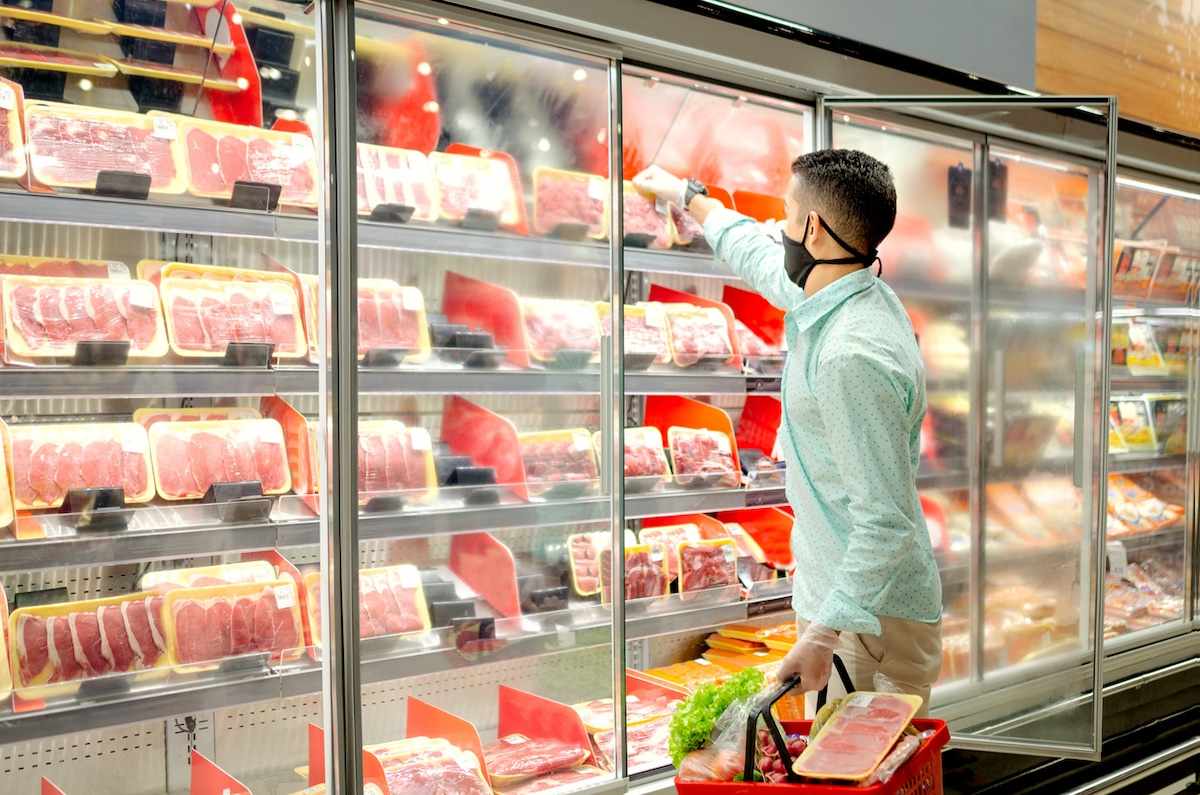
Open refrigerated display cases positioned near store entrances face a very different operating environment compared to interior units. Constant door openings, outdoor air exchange, and shifting pressure conditions create persistent instability. This is why many retailers struggle with why refrigerated display case losing cold air specifically in entrance zones, even when standard covers are used. These locations require tailored cover strategies rather than a one-size-fits-all approach.

  1. Entrance Zones Create Continuous Thermal Disruption: Store entrances are high-exchange zones where outside air frequently enters the building. Every door opening introduces:
    • Warmer air in summer or humid air in many climates
    • Cooler but moisture-laden air in winter
    • Rapid pressure and airflow changes
      This continuous disturbance increases thermal infiltration in supermarket refrigeration, making it harder for nearby cases to maintain stable conditions.
  2. Airflow Instability Reduces Cover Effectiveness: Unlike interior aisles, entrance areas experience unpredictable airflow due to:
    • Door drafts
    • HVAC compensation airflow
    • Customer movement patterns
      These factors weaken the air curtain and interfere with cover sealing, leading to refrigeration airflow problems in display cases. Even properly installed covers may not perform optimally under these conditions.
  3. Increased Cold Air Loss at Entry Points: Open cases near entrances lose cold air faster because external airflow pushes against the display. This results in:
    • Stronger outward air movement
    • Reduced cold air retention
    • Continuous mixing of ambient and refrigerated air
      These conditions explain cold air escaping from display case more aggressively compared to centrally located units.
  4. Temperature Instability Is More Frequent: Entrance-area cases are more prone to temperature swings due to constant environmental changes.
    Retailers often observe:

    • Sudden temperature rises during peak entry times
    • Uneven cooling across product zones
    • Delayed recovery after exposure
      This contributes to open display case temperature not stable, affecting both energy efficiency and food safety.
  5. Standard Covers Are Not Designed for High-Exposure Zones: Most refrigeration covers are designed for relatively stable environments. When used near entrances without adjustment, they may fail to perform as expected.
    Common limitations include:

    • Insufficient sealing strength against airflow pressure
    • Inability to handle frequent environmental fluctuations
    • Reduced insulation effectiveness under high air exchange
      This is why retailers experience why refrigeration covers fail to seal in these specific locations.
  6. Impact of Pressure Differences on Cover Sealing: Entrance zones often experience pressure imbalance between indoor and outdoor environments. This affects how covers sit on refrigerated cases.
    Pressure changes can:

    • Lift cover edges slightly
    • Create micro-gaps along sealing lines
    • Reduce contact between cover and frame
      These issues contribute to why cold air containment fails in open display cases, particularly near entry points.
  7. Higher Energy Consumption in Entrance Cases: Because of increased thermal load, refrigeration systems near entrances must work harder to maintain target temperatures.
    This results in:

    • Longer compressor runtime
    • Increased energy usage
    • Reduced system efficiency
      These factors are a major contributor to why supermarket energy bill is high refrigeration, especially in large-format stores.
  8. Product Quality Risks in High-Exposure Areas: Frequent temperature fluctuations in entrance cases directly impact product freshness.
    Common issues include:

    • Faster spoilage of perishable items
    • Reduced shelf life
    • Inconsistent product quality across displays
      These effects are linked to why food spoils faster in display case, particularly in high-traffic zones.
  9. Need for Enhanced Cover Design in Entrance Areas: Entrance-facing refrigerated cases require stronger and more adaptive cover solutions.
    Effective strategies include:

    • Using heavier or reinforced cover materials
    • Ensuring stronger sealing mechanisms
    • Designing covers to withstand airflow pressure
      These adjustments help improve performance and reduce energy loss.
  10. Importance of Proper Installation and Fit: In entrance zones, even small installation errors can significantly reduce cover effectiveness.
    Key considerations include:

    • Ensuring full edge contact with the case
    • Eliminating gaps caused by uneven surfaces
    • Aligning covers with airflow direction
      Proper installation helps address how to fix refrigerated case cover gaps, especially in challenging environments.
  11. Integration with HVAC and Store Layout: Cover performance near entrances depends heavily on coordination with HVAC systems and store layout.
    Improvement measures include:

    • Adjusting airflow direction away from cases
    • Stabilizing indoor pressure near entrances
    • Positioning cases to minimize direct exposure
      These steps help reduce identify energy loss in grocery store and improve overall system efficiency.
  12. Long-Term Benefits of Tailored Cover Strategies: Using specialized cover strategies for entrance cases provides long-term operational benefits.
    Retailers can achieve:

    • Reduced energy consumption
    • Improved temperature stability
    • Better product preservation
      These outcomes support how to reduce refrigeration energy loss while maintaining consistent display performance.

Conclusion

Open refrigerated display cases near store entrances face unique environmental challenges that standard cover strategies cannot fully address. Continuous airflow disruption, pressure imbalance, and thermal infiltration lead to increased energy loss and temperature instability, explaining why refrigerated display case losing cold air more frequently in these areas.

By implementing tailored cover solutions and optimizing installation, retailers can reduce energy waste in open refrigerated display cases, improve product quality, and enhance overall refrigeration efficiency.

For More Information

For more insights on refrigeration efficiency and supermarket cover solutions, visit https://www.supermarketcovers.com.
Introduction

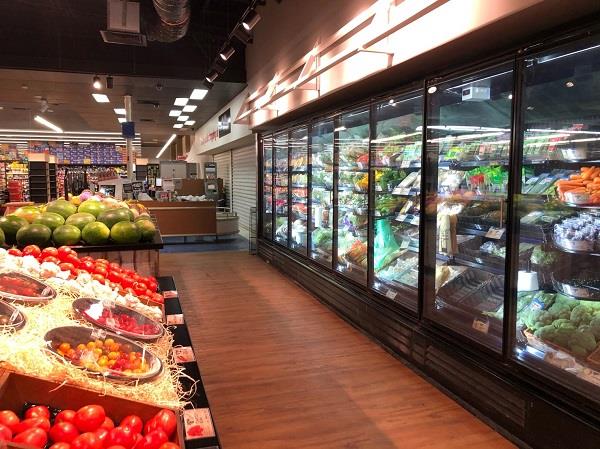
When refrigeration systems begin to underperform, many retailers assume that equipment replacement is the only solution. However, premature replacement often leads to unnecessary costs without addressing the root cause of inefficiency. A more effective approach is to first evaluate system behavior and identify hidden issues. In many cases, understanding how to test refrigerated display case efficiency reveals that performance problems are related to airflow, sealing, or operational factors rather than equipment failure.

  1. Why Performance Tracking Is Essential: Before investing in new refrigeration systems, it is important to understand how existing equipment is functioning under real operating conditions.
    Tracking performance helps:

    • Identify inefficiencies within the system
    • Distinguish between mechanical failure and operational issues
    • Optimize existing equipment before replacement
      This approach supports better decision-making and helps identify energy loss in grocery store operations more accurately.
  2. Monitoring Temperature Stability: Consistent temperature is one of the most important indicators of refrigeration performance. Tracking temperature patterns over time helps reveal instability within the system.
    Key observations include:

    • Frequency of temperature fluctuations
    • Differences between peak and off-peak hours
    • Variations across different zones in the case
      These patterns highlight temperature fluctuations in display cases causes, which may not be visible during short-term checks.
  3. Evaluating Airflow Behavior: Airflow plays a critical role in maintaining cooling efficiency. Poor airflow distribution often leads to uneven temperature zones and increased system load.
    To assess airflow:

    • Observe air curtain stability
    • Check for blockages inside the case
    • Identify areas with weak circulation
      These steps help detect refrigeration airflow problems in display cases, which can significantly impact performance.
  4. Checking for Cold Air Loss: Cold air leakage is one of the most common causes of inefficiency in open refrigerated systems. Even small leaks can lead to continuous energy loss.
    Signs of air loss include:

    • Warm air entering display areas
    • Difficulty maintaining stable temperatures
    • Increased compressor activity
      These indicators help determine why refrigerated display case losing cold air, allowing for targeted corrective action.
  5. Measuring Energy Consumption Patterns: Tracking energy usage provides valuable insight into system efficiency. Sudden increases or consistently high energy consumption often indicate underlying problems.
    Important metrics include:

    • Daily energy usage trends
    • Peak consumption periods
    • Energy usage compared to store activity levels
      These observations help explain why supermarket energy bill is high refrigeration, even when equipment appears operational.
  6. Observing Compressor Runtime Behavior: Compressor activity reflects how hard the refrigeration system is working. Irregular or extended runtime patterns often signal inefficiencies.
    Watch for:

    • Frequent cycling on and off
    • Continuous operation during low-demand periods
    • Delayed cooling recovery
      These patterns are part of refrigeration performance issues supermarket, indicating the need for system optimization.
  7. Identifying Thermal Infiltration: Thermal infiltration occurs when warm air enters the refrigerated environment. This can happen through gaps, poor sealing, or airflow imbalance.
    Common causes include:

    • Ineffective night covers
    • Gaps along case edges
    • External airflow pressure
      Tracking these factors helps detect thermal infiltration in supermarket refrigeration, which contributes to energy loss.
  8. Inspecting Night Cover Performance: Night covers are designed to reduce energy loss during off-hours. However, improper installation or wear can reduce their effectiveness.
    Check for:

    • Proper alignment and sealing
    • Gaps or loose edges
    • Material wear or damage
      These inspections help determine why night covers not working properly, ensuring they function as intended.
  9. Analyzing Product Temperature and Quality: Product condition is a direct indicator of refrigeration performance. Even if air temperature appears stable, product quality may reveal underlying issues.
    Signs to monitor include:

    • Uneven cooling across products
    • Faster spoilage rates
    • Loss of freshness overnight
      These issues help explain why food spoils faster in display case, highlighting the need for system adjustments.
  10. Conducting Store-Level Performance Audits: A comprehensive audit provides a complete picture of refrigeration performance across the store.
    This includes:

    • Evaluating multiple display cases
    • Comparing performance across different zones
    • Identifying consistent inefficiency patterns
      Such audits support supermarket refrigeration troubleshooting guide practices for improving system performance.
  11. Comparing Performance Before and After Adjustments: Before deciding on replacement, it is important to test how adjustments impact system performance.
    Possible improvements include:

    • Adjusting airflow settings
    • Improving cover sealing
    • Repositioning products for better circulation
      These changes often lead to noticeable improvements, reducing the need for costly replacements.
  12. Making Data-Driven Replacement Decisions: Once performance data is collected and analyzed, retailers can make informed decisions about equipment replacement.
    Replacement should only be considered if:

    • Mechanical failure is confirmed
    • Performance does not improve after optimization
    • Energy costs remain excessively high

This ensures resources are used efficiently and supports how to reduce refrigeration energy loss in a strategic way.

Conclusion

Tracking refrigerated case performance before replacing equipment is essential for identifying the true causes of inefficiency. By analyzing temperature stability, airflow, energy usage, and product quality, retailers can uncover hidden issues and optimize existing systems. This approach helps explain how to test refrigerated display case efficiency and prevents unnecessary investment in new equipment.

With proper monitoring and adjustments, supermarkets can reduce energy waste in open refrigerated display cases, improve performance, and maintain product freshness without immediate replacement.

For More Information

For more insights on refrigeration efficiency and supermarket cover solutions, visit https://www.supermarketcovers.com.

Quick Contact
We'll get back to you shortly.