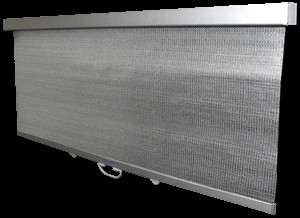
How needs differ by store size and how coverage strategy changes with case load and hours
Refrigeration covers are essential tools for maintaining cold temperatures, protecting perishable products, and reducing energy consumption in grocery retail. While the principle is the same across all stores containing cold air after hours the needs and strategies for small grocery stores versus big-box supermarkets differ significantly. Understanding these differences helps store teams select the right covers, implement effective routines, and maximize product quality while minimizing energy costs.
Why Store Size Affects Refrigeration Cover Strategy
The performance and benefits of refrigeration covers depend heavily on the size and type of store:
- Small Grocery Stores:
- Often have fewer cases and shorter aisles.
- Cases may be closer to walls or each other, which can limit airflow around covers.
- Operating hours may be shorter, but night temperatures fluctuate more rapidly due to limited HVAC zoning.
Case Load and Product Type Considerations
The number of cases and the types of products displayed influence how covers should be used:
Small Grocery Stores:
- Cases often hold a mix of produce, dairy, and meat within the same display area.
- Night covers should be flexible, lightweight, and easy to remove and deploy.
- Multi-purpose covers may be sufficient, provided they fully seal the edges and prevent cold air loss.
Big Box Supermarkets:
- Cases are often department-specific: produce, dairy, meat, bakery, or beverages.
- Covers may need to be custom-fit for each type of case, considering dimensions, insulation needs, and handling frequency.
- Larger cases may require reinforced materials or segmented covers for easier handling by staff.
Understanding case load ensures that covers perform effectively without creating workflow challenges or unnecessary strain on staff.
Coverage Strategy in Small Grocery Stores
Small stores often prioritize simplicity and speed:
- Multi-Purpose Covers:
- Lightweight, easy to roll or fold.
- Can cover multiple small cases simultaneously, reducing staff time at closing.
- Night Routine SOP:
- Quick, consistent coverage helps reduce temperature drift in stores with minimal staff.
- Covers are typically removed first thing in the morning to minimize delays in opening.
- Monitoring:
- Smaller stores can track temperature stability with fewer sensors.
- Staff can quickly spot any gaps, misaligned covers, or condensation issues.
With a straightforward approach, small stores can achieve noticeable energy savings and better product preservation without complex routines or specialized training.
Coverage Strategy in Big Box Supermarkets
Large stores require a more department-specific and strategic approach:
- Custom-Fit Covers for Each Case Type:
- Multi-deck produce cases, island dairy displays, and coffin-style meat cases may each need different cover designs.
- Correct sizing prevents warm air infiltration and reduces risk of condensation on glass.
- Segmented or Modular Covers:
- Large cases can be divided into sections to make nightly deployment more manageable.
- Modular design allows staff to remove only the sections needed for morning restocking, improving efficiency.
- Integration With Staff Routines:
- With more cases and more staff, accountability and consistent use are critical.
- Checklists, visual cues, and assigned responsibilities ensure that no cases are missed.
- Energy and Product Monitoring:
- Large stores often use sensors to track temperature stability across aisles.
- Data can highlight cases where coverage is insufficient or misaligned, enabling targeted interventions.
By tailoring strategies to the scale of the operation, big-box supermarkets maximize both energy savings and product quality.
Common Challenges Across Store Types
Despite differences, several challenges are shared:
- Gaps and Misalignment: Even small gaps at the edges can let warm air enter, reducing efficiency.
- Material Durability: Covers need to withstand repeated handling without tearing, fraying, or losing magnetic alignment.
- Sanitation: Covers must be easy to clean and resistant to mold, mildew, and food residue.
- Staff Compliance: Consistent use depends on straightforward SOPs and staff accountability systems.
Addressing these challenges ensures that covers remain effective regardless of store size.
Measuring Success
Both small and large stores can quantify the impact of proper cover use:
- Energy Savings: Compare electricity consumption before and after cover deployment.
- Temperature Stability: Monitor overnight case temperatures to ensure cold air retention.
- Product Quality: Track shrink rates for sensitive products such as leafy greens, dairy, and meats.
- Staff Efficiency: Measure the time needed for opening routines and night deployments.
By tracking these metrics, stores can justify the investment in covers and identify areas for operational improvement.
Conclusion
Refrigeration covers are a vital tool for protecting product quality, reducing shrink, and lowering energy consumption in both small grocery stores and large supermarkets. However, coverage strategies differ based on store size, case load, and department needs. Small stores benefit from multi-purpose, easy-to-deploy covers with simple nightly routines, while big-box supermarkets require custom-fitted, modular covers and department-specific SOPs to manage complex display layouts efficiently.
Regardless of size, proper installation, routine cleaning, and staff accountability are critical to maximizing benefits. When implemented thoughtfully, refrigeration covers not only improve energy efficiency but also help retailers deliver fresher, better-looking products to customers every morning.
For more guidance on selecting, installing, and maintaining effective refrigeration covers, visit www.supermarketcovers.com.