Common Refrigeration Cover

A field guide to fitting, alignment, sealing gaps, and avoiding poor overnight performance

Refrigeration covers are a simple and effective way to reduce energy use, maintain cold case temperatures, and protect perishable products overnight. However, even the best covers will fail to deliver results if they are installed incorrectly. Common mistakes during installation can create gaps, reduce airflow efficiency, and undermine both energy savings and product quality. This guide walks through the most frequent errors and provides actionable tips to ensure covers perform as intended.

Why Proper Installation Matters

Night covers work by creating a thermal barrier between the refrigerated case and the ambient store environment. When installed correctly, they:

  • Contain Cold Air: Minimizing warm air infiltration helps compressors run less frequently.
  • Stabilize Case Temperatures: Consistent temperatures reduce moisture loss, color fading, and spoilage in produce, meat, dairy, and prepared foods.
  • Protect Against Harmful Lights: Covers limit exposure to retail lighting that can accelerate degradation in sensitive products.

Incorrect installation compromises all these benefits, leading to wasted energy, faster product decline, and higher operational costs.

Mistake 1: Improper Measurements

One of the most common issues is using covers that are too small or too large for the display case. Mistakes in measurement can leave gaps or force covers to buckle, reducing their effectiveness.

How to Avoid It:

  •  Measure case length, depth, and height accurately before ordering.
  • Check for obstructions like railings, signage, or shelving that may affect fit.
  • Verify whether the case is multi-deck, coffin, island, or tub type, as each requires specific cover sizing.

Properly sized covers ensure a snug fit and optimal thermal containment.

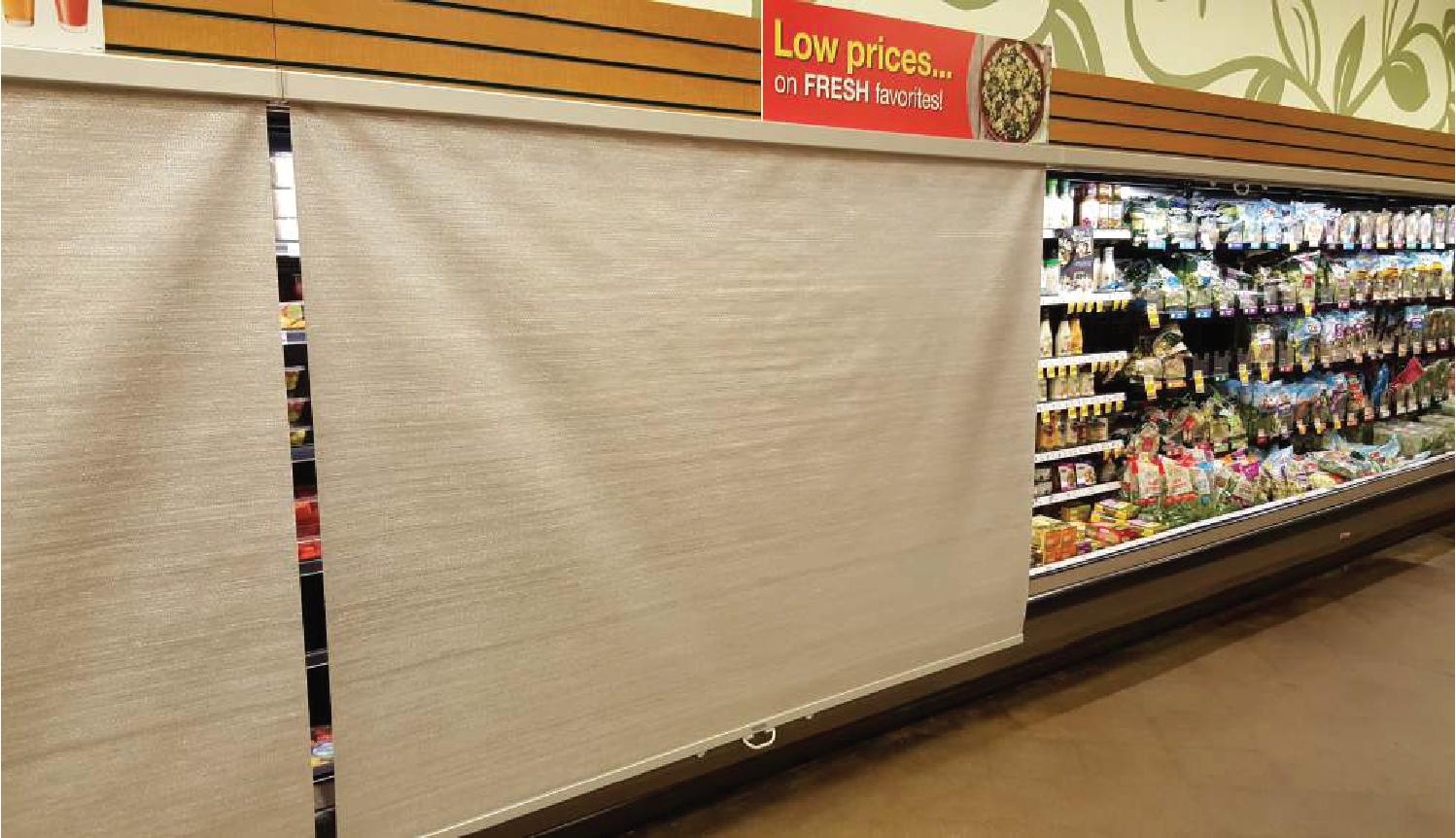
Mistake 2: Misalignment During Installation

Even with correctly sized covers, misalignment during installation can create gaps along the edges or at corners. Cold air escapes through these openings, forcing compressors to work harder overnight.

How to Avoid It:

  • Align covers carefully with case edges, ensuring top and side panels meet without gaps.
  • Use guides or markings on the case to standardize placement each night.
  • Confirm that covers remain straight after the initial installation, particularly on long multi-deck cases.

Consistent alignment maintains thermal integrity and maximizes energy savings.

Mistake 2: Misalignment During Installation

Even with correctly sized covers, misalignment during installation can create gaps along the edges or at corners. Cold air escapes through these openings, forcing compressors to work harder overnight.

How to Avoid It:

  • Align covers carefully with case edges, ensuring top and side panels meet without gaps.
  • Use guides or markings on the case to standardize placement each night.
  • Confirm that covers remain straight after the initial installation, particularly on long multi-deck cases.

Consistent alignment maintains thermal integrity and maximizes energy savings.

Mistake 4: Ignoring Clearance and Obstructions

Obstructions such as signage, shelving, or case hardware can prevent covers from sitting flush against the case, leaving space for warm air to enter.

How to Avoid It:

  • Plan the installation layout carefully, accounting for any hardware or signage.
  • Remove or adjust obstacles that interfere with proper sealing.
  • Consider custom covers for unique case setups to ensure a perfect fit.

Proper clearance ensures that covers are effective across all case types and configurations.

Mistake 5: Not Considering Case Load and Product Placement

Installing covers without considering the product layout can cause uneven cooling or restrict airflow within the case. Overstocked shelves may prevent covers from closing fully, while uneven product heights can create gaps at the top.

How to Avoid It:

  • Check that all products fit comfortably under the cover without pressing against the material.
  • Maintain consistent product heights across shelves to avoid interference.
  • Use airflow-friendly arrangements to promote even temperature distribution.

Accounting for product placement ensures that covers protect all items equally and prevent hot spots.

Mistake 6: Neglecting Routine Maintenance and Inspection

Even a properly installed cover will fail over time if it becomes damaged, warped, or misaligned. Wear and tear can create leaks, reducing energy savings and allowing product deterioration.

How to Avoid It:

  • Inspect covers daily for tears, warping, or misalignment.
  • Clean covers regularly to remove dust, debris, or grease that can affect sealing.
  • Replace damaged covers promptly to maintain performance.

Routine inspection ensures that night covers remain effective for the long term.

Mistake 7: Staff Non-Compliance

All the planning and proper installation can be undone if staff do not deploy covers consistently each night. “Missed nights” reduce energy savings and compromise product protection.

How to Avoid It:

  • Include night cover deployment in standard closing routines with clear responsibilities.
  • Use checklists or visual reminders to confirm completion.
  • Train staff on the operational and financial benefits of proper cover use.

Consistent staff compliance is essential to achieving measurable results.

Key Takeaways for Successful Refrigeration Cover Installation

  1. Measure First, Install Second: Accurate dimensions prevent gaps and misfit issues.
  2. Align and Seal Carefully: Straight edges, sealed corners, and flush mounting optimize performance.
  3. Consider Case Load and Product Placement: Ensure shelves and products do not interfere with covers.
  4. Account for Obstructions and Clearances: Adjust signage and hardware to allow proper fit.
  5. Maintain and Inspect Regularly: Replace or repair damaged covers promptly.
  6. Train and Hold Staff Accountable: Incorporate cover deployment into daily SOPs.

By avoiding these common mistakes, supermarkets can fully realize the energy, operational, and product-quality benefits of refrigeration covers.

Conclusion

Refrigeration covers are an investment in energy efficiency, product quality, and operational efficiency. Proper installation is critical: gaps, misalignment, and inconsistent use can all undermine potential savings and allow product degradation. By carefully measuring, aligning, sealing, and maintaining covers and integrating them into daily routines stores can maximize energy reduction, improve temperature stability, and protect perishable products overnight.

For more guidance on selecting, installing, and maintaining high-quality refrigeration covers, visit www.supermarketcovers.com.

A step-by-step explanation of energy use before/after cover installation and what stores typically see

Retailers are always looking for practical ways to reduce energy costs while maintaining product quality. Open refrigerated display cases are among the largest energy consumers in a supermarket, running continuously even when the store is closed. Night covers are a proven solution to lower energy consumption, stabilize temperatures, and reduce product shrink. This case study walks through how night covers impact energy use, what stores typically observe, and the operational factors that maximize savings.

Understanding Energy Use in Open Display Cases

Open multi-deck, island, and coffin cases lose cold air every time the store is closed or when the covers are absent. Key challenges include:

  • Cold Air Escape: Warm ambient air infiltrates the case, forcing compressors to work harder to maintain temperature.
  • Thermal Fluctuations: Temperature swings affect product quality, especially sensitive items like dairy, meat, and produce.
  • Extended Compressor Runtime: Continuous operation during off hours increases utility costs and accelerates equipment wear.

Before night covers are installed, many supermarkets see open cases running 24/7 at near-maximum capacity, even when staff and shoppers are absent.

Step 1: Baseline Energy Monitoring

The first step in assessing the impact of night covers is establishing a baseline:

  1. Record Compressor Runtime: Track daily runtime over at least one week, including overnight hours.
  2. Monitor Case Temperatures: Note any fluctuations or spikes that occur after the store closes.
  3. Measure Ambient Conditions: Observe airflow, door openings, and HVAC influence on case efficiency.

By collecting this data, stores gain a clear picture of how much energy is used and where temperature stability issues exist.

Step 2: Installing Night Covers

After baseline monitoring, night covers are fitted to open cases. Key installation considerations include:

  • Proper Fit: Covers must seal the case fully, leaving no gaps for warm air to enter.
  • Accessibility: Covers should be easy to remove in the morning for restocking and shopping.
  • Material Choice: Durable, food-safe materials protect products without interfering with lighting or visibility.

Most stores use covers designed specifically for multi-deck, coffin, island, or tub cases, ensuring an effective seal for the full case length and depth.

Step 3: Post-Installation Monitoring

Once night covers are in place, energy use and temperature performance are monitored again:

  1. Compressor Runtime Reduction: Stores typically see a 10–25% reduction in runtime overnight. Cold air retention decreases the frequency and duration of compressor cycles.
  2. Stable Case Temperatures: Temperature swings are minimized, especially in the top and front rows of shelves where products are most visible.
  3. Ambient Air Barrier: Covers prevent warm store air from infiltrating, which also reduces humidity-related moisture loss.
    This monitoring confirms the tangible energy-saving benefits of night covers.

Step 4: Quantifying Energy Savings

By comparing pre- and post-installation data, supermarkets can calculate estimated savings:

  • Electricity Costs: Reduced compressor activity translates directly to lower utility bills. Many mid-sized stores save thousands annually by simply covering open cases at night.
  • Equipment Longevity: Less strain on compressors can reduce maintenance frequency and extend equipment lifespan.
  • Reduced Peak Load: Night covers help flatten energy demand during peak utility periods, contributing to sustainability and potential demand-charge savings.

Even a modest reduction in runtime can yield significant cost benefits over a year, making night covers a high-ROI investment.

Step 5: Operational Benefits Beyond Energy

While energy savings are the primary goal, night covers also improve other operational outcomes:

  • Product Quality Retention: Consistent overnight temperatures reduce moisture loss in produce, prevent discoloration in meats, and protect dairy from harmful light exposure.
  • Labor Efficiency: Less spoilage and shrink means staff spend less time rotating, cleaning, or discarding products.
  • Customer Experience: Morning stock looks fresher, more visually appealing, and ready for sale.

These benefits complement energy savings, demonstrating that night covers provide both operational and product-quality advantages.

Best Practices for Maximizing Energy Savings

To achieve the best results, supermarkets should follow several practical steps:

  • Standardize Night Cover Use: Integrate into closing routines with accountability measures so covers are deployed consistently.
  • Combine With Food-Safe Lighting: Minimize harmful light exposure, which can accelerate spoilage even if temperatures are stable.
  • Monitor Temperatures: Keep tracking temperature consistency and runtime to identify opportunities for improvement.
  • Inspect Covers Regularly: Check for tears, misalignment, or loose fasteners that reduce effectiveness.
  • Adjust Case Loading: Avoid overstuffing or placing hot products in covered cases to maintain optimal air circulation.

These practices ensure energy savings are maximized while maintaining product quality.

Real-World Example

A regional grocery chain installed night covers on 50 multi-deck produce and dairy cases across three stores. Within the first month:

  • Overnight compressor runtime dropped by 18%.
  • Average case temperature swings decreased from ±3°F to ±1°F.
  • Moisture loss in leafy greens reduced by 20%, lowering morning discard.
  • Estimated annual energy savings per store: upto $4,500–$6,000.

This demonstrates that night covers deliver measurable results quickly, with minimal staff effort or additional infrastructure.

Conclusion

Night covers are a simple, low-cost solution with a significant impact on energy use, product quality, and operational efficiency. By measuring energy consumption before and after installation, supermarkets can quantify savings, justify investment, and optimize case performance. Beyond energy, covers protect perishable products from temperature fluctuations, moisture loss, and harmful lights, enhancing both the bottom line and shopper satisfaction.
For stores seeking a practical way to cut energy costs, improve case performance, and preserve fresh food quality, night covers provide an effective, high-ROI solution.

To learn more about commercial night covers and how they can enhance both energy efficiency and product freshness, visit www.supermarketcovers.com.
Quick Contact
We'll get back to you shortly.