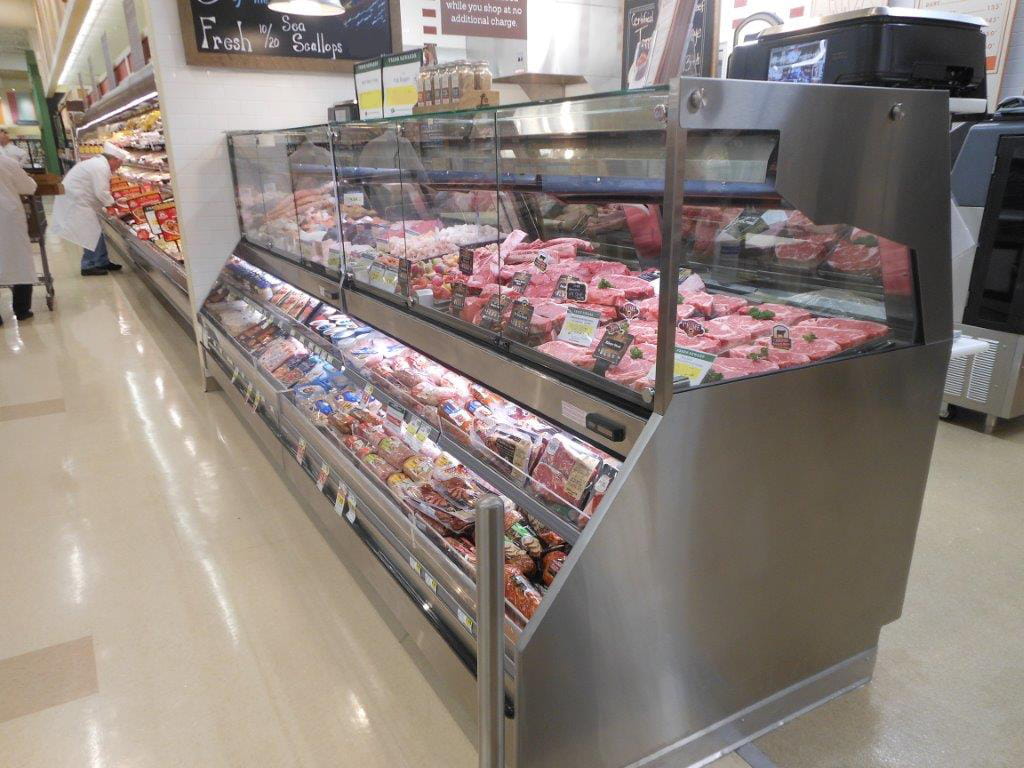
Introduction
In many retail environments, why refrigerated display case losing cold air is one of the most frequently reported operational issues. A major but often overlooked cause is poor sealing of refrigeration covers around uneven case edges. Even when systems are functioning correctly, small structural gaps can lead to continuous energy leakage and unstable cooling performance in supermarket displays.
These sealing failures directly affect temperature control, product freshness, and long-term energy consumption across grocery stores.
1. Uneven Case Edges and Structural Misalignment
One of the main reasons covers fail to seal properly is physical unevenness in refrigerated display structures. Over time, installation shifts, floor leveling issues, or repeated maintenance adjustments can create misaligned edges.
This leads to:
- Gaps between cover and frame
- Uneven pressure points along sealing lines
- Reduced insulation efficiency
As a result, cold air escaping from display case becomes a continuous issue, even when covers appear properly installed.
2. Impact of Poor Sealing on Temperature Stability
When covers do not seal evenly, cold air escapes and warm air enters the system. This disrupts internal balance and creates unstable cooling conditions.
Retailers often observe:
- Fluctuating product temperatures
- Inconsistent cooling zones inside the case
- Increased compressor workload
These conditions contribute directly to open display case temperature not stable, affecting both system performance and food safety.
3. Airflow Disruption Caused by Edge Gaps
Proper refrigeration depends on controlled airflow within the display system. However, gaps in cover sealing disrupt this airflow pattern.
This leads to:
- Weak cold air retention
- Increased mixing of warm and cold air
- Reduced cooling efficiency in open zones
These issues are a key reason behind refrigeration airflow problems in display cases, especially in high-traffic supermarkets.
4. Energy Loss from Improper Cover Contact
When covers fail to align properly with case edges, refrigeration systems compensate by increasing cooling output.
This results in:
- Higher compressor runtime
- Continuous energy draw
- Reduced system efficiency
Over time, this contributes significantly to how to reduce refrigeration energy loss challenges faced by retailers managing multiple display units.
5. Why Temperature Fluctuations Increase with Poor Sealing
Even minor sealing gaps can lead to noticeable temperature fluctuations inside refrigerated cases. These fluctuations occur because external air continuously interacts with internal cooling zones.
This causes:
- Uneven cooling distribution
- Frequent system adjustments
- Loss of stable thermal balance
Such instability increases temperature fluctuations in display cases causes, making it harder to maintain consistent product quality.
6. Night Cover Performance and Installation Errors
Night covers are designed to reduce heat gain and prevent cold air loss during off-hours. However, improper installation significantly reduces their effectiveness.
Common issues include:
- Misaligned cover placement
- Loose fastening along edges
- Incomplete coverage of display surfaces
These errors explain why night covers not working properly, even when high-quality materials are used.
7. Thermal Infiltration Through Edge Gaps
Even small gaps in cover sealing allow thermal infiltration to occur. Warm air enters while cold air escapes, creating continuous energy imbalance.
This leads to:
- Increased refrigeration load
- Reduced temperature stability overnight
- Higher energy consumption during idle hours
These effects are directly linked to thermal infiltration in supermarket refrigeration, which remains active even without customer traffic.
8. Why Energy Consumption Increases with Sealing Failures
When covers do not properly seal, refrigeration systems must operate longer and more frequently to maintain target temperatures.
This results in:
- Higher electricity usage
- Increased operational costs
- Reduced equipment lifespan efficiency
These issues are a major factor behind why supermarket energy bill is high refrigeration, especially in stores with multiple open cases.
9. Heat Gain and Edge Exposure Problems
Uneven edges create direct exposure points where external heat enters the system. These weak zones accelerate heat gain and reduce cooling efficiency.
This leads to:
- Faster product warming in exposed areas
- Uneven temperature distribution
- Reduced overall system performance
Such issues increase heat gain in refrigerated display case causes, making consistent cooling difficult to maintain.
10. Impact on Food Freshness and Product Loss
Poor sealing not only affects energy performance but also directly impacts food quality. Temperature instability caused by air leakage accelerates spoilage in perishable products.
Retailers often experience:
- Reduced shelf life of fresh items
- Increased product waste
- Loss of visual freshness in displays
This contributes to why food spoils faster in display case, affecting both profitability and customer perception.
11. How Proper Sealing Improves Efficiency
Ensuring proper alignment and sealing of refrigeration covers significantly improves system performance. Even small adjustments can create major energy savings.
Benefits include:
- Stable internal temperatures
- Reduced compressor cycling
- Improved airflow control
These improvements directly support how to lower energy costs in grocery store refrigeration, helping retailers optimize operational efficiency.
12. Best Practices for Improving Cover Performance
To prevent sealing failures, supermarkets should focus on regular inspection and correct installation practices.
Key steps include:
- Checking alignment of case edges
- Ensuring full surface contact of covers
- Replacing worn or damaged sealing components
These practices help maintain system stability and reduce long-term refrigeration losses.
Conclusion
Supermarket refrigeration covers often fail to seal properly due to uneven case edges, installation errors, and structural misalignment. These issues lead to cold air leakage, energy waste, and unstable temperature control across display systems. As a result, why refrigerated display case losing cold air becomes a persistent operational challenge in retail environments.
By addressing sealing gaps and improving installation quality, retailers can significantly reduce energy waste in open refrigerated display cases, improve temperature stability, and enhance overall refrigeration efficiency.
For More Information
For more insights on refrigeration efficiency and supermarket cover solutions, visit https://www.supermarketcovers.com.