Supermarket Refrigeration Covers

Introduction

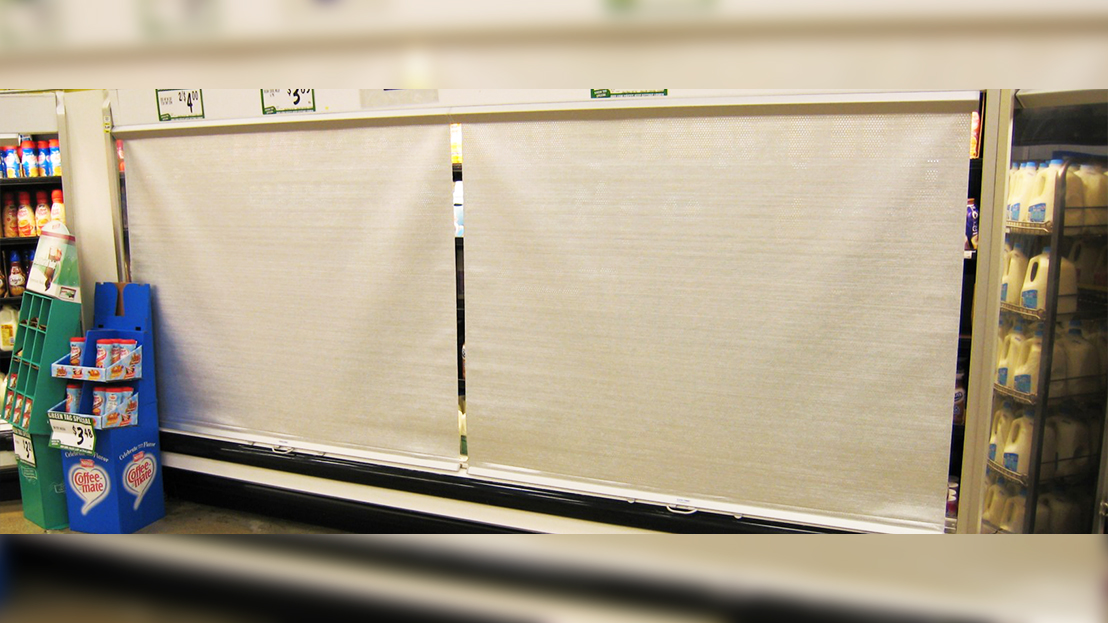
Overnight hours are typically when supermarkets rely on covers to stabilize temperatures and reduce energy loss in open refrigerated displays. At the same time, many refrigeration systems run scheduled defrost cycles to remove ice buildup from evaporator coils. The interaction between these two processes is often overlooked. In fact, why refrigerated case warms up overnight is frequently linked to how defrost cycles behave when covers are in place.

Understanding this interaction is essential for maintaining efficiency, preventing temperature instability, and protecting product quality.

1. What Happens During a Defrost Cycle?

Defrost cycles are necessary to remove frost accumulation on evaporator coils, which can restrict airflow and reduce cooling efficiency.

During a defrost cycle:

  • Cooling temporarily stops
  • Heat is introduced to melt ice
  • Moisture is released into the system

While this process is essential, it temporarily raises internal temperatures and changes humidity conditions inside the case.

2. How Covers Alter Defrost Conditions

When covers are applied overnight, they create a more enclosed environment inside the refrigerated case. This changes how heat and moisture behave during defrost cycles.

With covers in place:

  • Heat from defrost remains trapped longer
  • Moisture accumulates inside the case
  • Cooling recovery may be delayed

These changes contribute to temperature fluctuations in display cases causes, especially during overnight operation.

3. Heat Retention During Defrost Cycles

Covers are designed to retain cold air, but during defrost cycles, they also retain heat generated inside the system.

This leads to:

  • Higher internal temperature spikes
  • Slower dissipation of defrost heat
  • Increased thermal load after the cycle ends

These conditions are a key factor in why refrigeration efficiency drops at night, even when covers are used.

4. Moisture Accumulation and Humidity Effects

Defrost cycles release moisture as ice melts. When covers are present, this moisture cannot easily escape.

This results in:

  • Increased humidity levels inside the case
  • Condensation on product surfaces
  • Higher risk of microbial growth

These effects contribute to temperature causing food spoilage in supermarket, particularly in sensitive product categories.

5. Airflow Disruption During and After Defrost

Airflow plays a critical role in restoring normal cooling after a defrost cycle. However, covers can restrict airflow movement.

This causes:

  • Slower air circulation
  • Delayed cooling recovery
  • Uneven temperature distribution

These issues are directly related to refrigeration airflow problems in display cases, affecting system performance.

6. Impact on Temperature Stability Overnight

Because defrost cycles temporarily interrupt cooling, temperature stability depends on how quickly the system can recover.

With covers in place:

  • Recovery time may increase
  • Temperature peaks may be higher
  • Cooling consistency may vary across zones

This contributes to open display case temperature not stable, especially in open refrigerated systems.

7. Increased Risk of Thermal Infiltration After Defrost

After a defrost cycle, the system is more vulnerable to external heat entering the case. If covers are not properly sealed, this effect becomes more pronounced.

This leads to:

  • Warm air entering through gaps
  • Additional cooling demand
  • Reduced efficiency

These conditions are linked to thermal infiltration in supermarket refrigeration, which can persist after defrost cycles.

8. Energy Consumption Implications

The interaction between defrost cycles and covers can increase overall energy usage if not properly managed.

This happens when:

  • Systems require longer cooling cycles to recover
  • Compressor runtime increases after defrost
  • Energy savings from covers are partially offset

These effects contribute to refrigeration system using too much electricity, even during low-activity periods.

9. Product Quality and Shelf Life Impact

Temperature spikes and increased humidity during defrost cycles can affect product quality.

Retailers may notice:

  • Faster spoilage of perishable items
  • Reduced freshness and texture
  • Inconsistent product appearance

These issues are part of why food spoils faster in display case, particularly when defrost cycles are not optimized.

10. Importance of Proper Cover Use During Defrost

Covers should be used strategically to balance energy savings and system performance.

Best practices include:

  • Ensuring proper sealing to minimize heat exchange
  • Monitoring temperature recovery after defrost
  • Adjusting defrost schedules if needed

These steps help address why night covers not working properly, ensuring they support rather than hinder system efficiency.

11. Optimizing Defrost Scheduling and Cover Performance

Aligning defrost cycles with operational needs improves overall efficiency.

Effective strategies include:

  • Scheduling defrost cycles during low-impact periods
  • Reducing frequency where possible
  • Coordinating with cover usage patterns

These adjustments support how to improve night cover performance while maintaining system stability.

12. Long-Term Efficiency and System Balance

Managing the interaction between defrost cycles and covers ensures long-term efficiency and consistent refrigeration performance.

Benefits include:

  • Reduced energy consumption
  • Improved temperature stability
  • Better product preservation

This helps achieve how to reduce refrigeration energy loss, even in complex retail environments.

Conclusion

Overnight defrost cycles and refrigeration covers interact in ways that significantly impact temperature stability, energy consumption, and product quality. While covers help retain cold air, they can also trap heat and moisture during defrost cycles, leading to instability and inefficiency. This explains why refrigerated case warms up overnight in many supermarkets.

By optimizing defrost scheduling and ensuring proper cover use, retailers can reduce energy waste in open refrigerated display cases, improve system performance, and maintain product freshness.

For More Information

For more insights on refrigeration efficiency and supermarket cover solutions, visit https://www.supermarketcovers.com.
Open Display Cases Near Entrances

Introduction

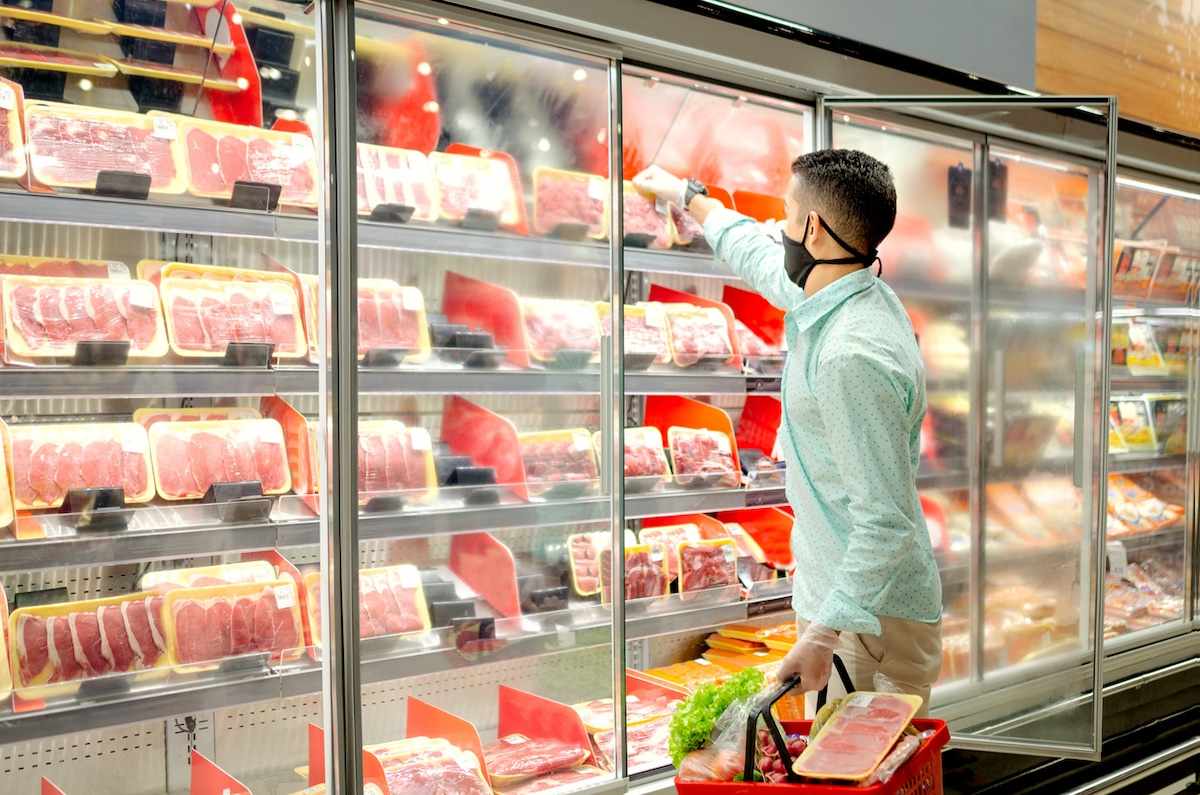
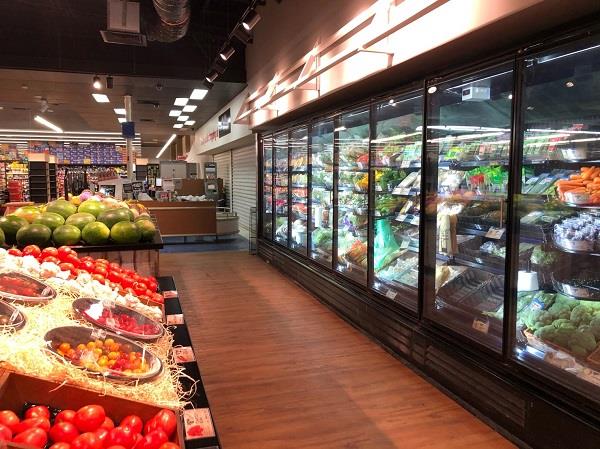
Open refrigerated display cases positioned near store entrances face a very different operating environment compared to interior units. Constant door openings, outdoor air exchange, and shifting pressure conditions create persistent instability. This is why many retailers struggle with why refrigerated display case losing cold air specifically in entrance zones, even when standard covers are used. These locations require tailored cover strategies rather than a one-size-fits-all approach.

  1. Entrance Zones Create Continuous Thermal Disruption: Store entrances are high-exchange zones where outside air frequently enters the building. Every door opening introduces:
    • Warmer air in summer or humid air in many climates
    • Cooler but moisture-laden air in winter
    • Rapid pressure and airflow changes
      This continuous disturbance increases thermal infiltration in supermarket refrigeration, making it harder for nearby cases to maintain stable conditions.
  2. Airflow Instability Reduces Cover Effectiveness: Unlike interior aisles, entrance areas experience unpredictable airflow due to:
    • Door drafts
    • HVAC compensation airflow
    • Customer movement patterns
      These factors weaken the air curtain and interfere with cover sealing, leading to refrigeration airflow problems in display cases. Even properly installed covers may not perform optimally under these conditions.
  3. Increased Cold Air Loss at Entry Points: Open cases near entrances lose cold air faster because external airflow pushes against the display. This results in:
    • Stronger outward air movement
    • Reduced cold air retention
    • Continuous mixing of ambient and refrigerated air
      These conditions explain cold air escaping from display case more aggressively compared to centrally located units.
  4. Temperature Instability Is More Frequent: Entrance-area cases are more prone to temperature swings due to constant environmental changes.
    Retailers often observe:

    • Sudden temperature rises during peak entry times
    • Uneven cooling across product zones
    • Delayed recovery after exposure
      This contributes to open display case temperature not stable, affecting both energy efficiency and food safety.
  5. Standard Covers Are Not Designed for High-Exposure Zones: Most refrigeration covers are designed for relatively stable environments. When used near entrances without adjustment, they may fail to perform as expected.
    Common limitations include:

    • Insufficient sealing strength against airflow pressure
    • Inability to handle frequent environmental fluctuations
    • Reduced insulation effectiveness under high air exchange
      This is why retailers experience why refrigeration covers fail to seal in these specific locations.
  6. Impact of Pressure Differences on Cover Sealing: Entrance zones often experience pressure imbalance between indoor and outdoor environments. This affects how covers sit on refrigerated cases.
    Pressure changes can:

    • Lift cover edges slightly
    • Create micro-gaps along sealing lines
    • Reduce contact between cover and frame
      These issues contribute to why cold air containment fails in open display cases, particularly near entry points.
  7. Higher Energy Consumption in Entrance Cases: Because of increased thermal load, refrigeration systems near entrances must work harder to maintain target temperatures.
    This results in:

    • Longer compressor runtime
    • Increased energy usage
    • Reduced system efficiency
      These factors are a major contributor to why supermarket energy bill is high refrigeration, especially in large-format stores.
  8. Product Quality Risks in High-Exposure Areas: Frequent temperature fluctuations in entrance cases directly impact product freshness.
    Common issues include:

    • Faster spoilage of perishable items
    • Reduced shelf life
    • Inconsistent product quality across displays
      These effects are linked to why food spoils faster in display case, particularly in high-traffic zones.
  9. Need for Enhanced Cover Design in Entrance Areas: Entrance-facing refrigerated cases require stronger and more adaptive cover solutions.
    Effective strategies include:

    • Using heavier or reinforced cover materials
    • Ensuring stronger sealing mechanisms
    • Designing covers to withstand airflow pressure
      These adjustments help improve performance and reduce energy loss.
  10. Importance of Proper Installation and Fit: In entrance zones, even small installation errors can significantly reduce cover effectiveness.
    Key considerations include:

    • Ensuring full edge contact with the case
    • Eliminating gaps caused by uneven surfaces
    • Aligning covers with airflow direction
      Proper installation helps address how to fix refrigerated case cover gaps, especially in challenging environments.
  11. Integration with HVAC and Store Layout: Cover performance near entrances depends heavily on coordination with HVAC systems and store layout.
    Improvement measures include:

    • Adjusting airflow direction away from cases
    • Stabilizing indoor pressure near entrances
    • Positioning cases to minimize direct exposure
      These steps help reduce identify energy loss in grocery store and improve overall system efficiency.
  12. Long-Term Benefits of Tailored Cover Strategies: Using specialized cover strategies for entrance cases provides long-term operational benefits.
    Retailers can achieve:

    • Reduced energy consumption
    • Improved temperature stability
    • Better product preservation
      These outcomes support how to reduce refrigeration energy loss while maintaining consistent display performance.

Conclusion

Open refrigerated display cases near store entrances face unique environmental challenges that standard cover strategies cannot fully address. Continuous airflow disruption, pressure imbalance, and thermal infiltration lead to increased energy loss and temperature instability, explaining why refrigerated display case losing cold air more frequently in these areas.

By implementing tailored cover solutions and optimizing installation, retailers can reduce energy waste in open refrigerated display cases, improve product quality, and enhance overall refrigeration efficiency.

For More Information

For more insights on refrigeration efficiency and supermarket cover solutions, visit https://www.supermarketcovers.com.
Introduction

When refrigeration systems begin to underperform, many retailers assume that equipment replacement is the only solution. However, premature replacement often leads to unnecessary costs without addressing the root cause of inefficiency. A more effective approach is to first evaluate system behavior and identify hidden issues. In many cases, understanding how to test refrigerated display case efficiency reveals that performance problems are related to airflow, sealing, or operational factors rather than equipment failure.

  1. Why Performance Tracking Is Essential: Before investing in new refrigeration systems, it is important to understand how existing equipment is functioning under real operating conditions.
    Tracking performance helps:

    • Identify inefficiencies within the system
    • Distinguish between mechanical failure and operational issues
    • Optimize existing equipment before replacement
      This approach supports better decision-making and helps identify energy loss in grocery store operations more accurately.
  2. Monitoring Temperature Stability: Consistent temperature is one of the most important indicators of refrigeration performance. Tracking temperature patterns over time helps reveal instability within the system.
    Key observations include:

    • Frequency of temperature fluctuations
    • Differences between peak and off-peak hours
    • Variations across different zones in the case
      These patterns highlight temperature fluctuations in display cases causes, which may not be visible during short-term checks.
  3. Evaluating Airflow Behavior: Airflow plays a critical role in maintaining cooling efficiency. Poor airflow distribution often leads to uneven temperature zones and increased system load.
    To assess airflow:

    • Observe air curtain stability
    • Check for blockages inside the case
    • Identify areas with weak circulation
      These steps help detect refrigeration airflow problems in display cases, which can significantly impact performance.
  4. Checking for Cold Air Loss: Cold air leakage is one of the most common causes of inefficiency in open refrigerated systems. Even small leaks can lead to continuous energy loss.
    Signs of air loss include:

    • Warm air entering display areas
    • Difficulty maintaining stable temperatures
    • Increased compressor activity
      These indicators help determine why refrigerated display case losing cold air, allowing for targeted corrective action.
  5. Measuring Energy Consumption Patterns: Tracking energy usage provides valuable insight into system efficiency. Sudden increases or consistently high energy consumption often indicate underlying problems.
    Important metrics include:

    • Daily energy usage trends
    • Peak consumption periods
    • Energy usage compared to store activity levels
      These observations help explain why supermarket energy bill is high refrigeration, even when equipment appears operational.
  6. Observing Compressor Runtime Behavior: Compressor activity reflects how hard the refrigeration system is working. Irregular or extended runtime patterns often signal inefficiencies.
    Watch for:

    • Frequent cycling on and off
    • Continuous operation during low-demand periods
    • Delayed cooling recovery
      These patterns are part of refrigeration performance issues supermarket, indicating the need for system optimization.
  7. Identifying Thermal Infiltration: Thermal infiltration occurs when warm air enters the refrigerated environment. This can happen through gaps, poor sealing, or airflow imbalance.
    Common causes include:

    • Ineffective night covers
    • Gaps along case edges
    • External airflow pressure
      Tracking these factors helps detect thermal infiltration in supermarket refrigeration, which contributes to energy loss.
  8. Inspecting Night Cover Performance: Night covers are designed to reduce energy loss during off-hours. However, improper installation or wear can reduce their effectiveness.
    Check for:

    • Proper alignment and sealing
    • Gaps or loose edges
    • Material wear or damage
      These inspections help determine why night covers not working properly, ensuring they function as intended.
  9. Analyzing Product Temperature and Quality: Product condition is a direct indicator of refrigeration performance. Even if air temperature appears stable, product quality may reveal underlying issues.
    Signs to monitor include:

    • Uneven cooling across products
    • Faster spoilage rates
    • Loss of freshness overnight
      These issues help explain why food spoils faster in display case, highlighting the need for system adjustments.
  10. Conducting Store-Level Performance Audits: A comprehensive audit provides a complete picture of refrigeration performance across the store.
    This includes:

    • Evaluating multiple display cases
    • Comparing performance across different zones
    • Identifying consistent inefficiency patterns
      Such audits support supermarket refrigeration troubleshooting guide practices for improving system performance.
  11. Comparing Performance Before and After Adjustments: Before deciding on replacement, it is important to test how adjustments impact system performance.
    Possible improvements include:

    • Adjusting airflow settings
    • Improving cover sealing
    • Repositioning products for better circulation
      These changes often lead to noticeable improvements, reducing the need for costly replacements.
  12. Making Data-Driven Replacement Decisions: Once performance data is collected and analyzed, retailers can make informed decisions about equipment replacement.
    Replacement should only be considered if:

    • Mechanical failure is confirmed
    • Performance does not improve after optimization
    • Energy costs remain excessively high

This ensures resources are used efficiently and supports how to reduce refrigeration energy loss in a strategic way.

Conclusion

Tracking refrigerated case performance before replacing equipment is essential for identifying the true causes of inefficiency. By analyzing temperature stability, airflow, energy usage, and product quality, retailers can uncover hidden issues and optimize existing systems. This approach helps explain how to test refrigerated display case efficiency and prevents unnecessary investment in new equipment.

With proper monitoring and adjustments, supermarkets can reduce energy waste in open refrigerated display cases, improve performance, and maintain product freshness without immediate replacement.

For More Information

For more insights on refrigeration efficiency and supermarket cover solutions, visit https://www.supermarketcovers.com.
Material Thickness Impacts

Introduction

Night covers are widely used to reduce energy loss and stabilize temperatures in open refrigerated displays. However, not all covers perform equally. One of the most important factors influencing their effectiveness is material thickness. The thickness of a cover directly affects insulation, flexibility, and usability. In many cases, why refrigerated case not cooling properly can be traced back to poor material selection, especially when thickness is not matched to operational needs.

  1. Understanding Material Thickness in Night Covers: Material thickness determines how well a cover can act as a thermal barrier. Thicker materials generally provide better insulation, while thinner materials are easier to handle but may offer less resistance to heat transfer.
    A balanced thickness is essential because:

    • Too thin = poor insulation and higher energy loss
    • Too thick = difficult handling and reduced usability
    • Optimal thickness = effective insulation with practical operation
      When thickness is not appropriate, it contributes to energy waste in open refrigerated display cases.
  2. Impact of Thickness on Cold-Air Retention: Cold-air retention is the primary function of night covers. Thicker materials reduce heat transfer between the refrigerated case and the surrounding environment.
    With proper thickness:

    • Cold air remains trapped inside the case
    • External heat infiltration is minimized
    • Internal temperature stabilizes overnight
      However, insufficient thickness allows air exchange, leading to cold air escaping from display case, which increases system workload.
  3. Thermal Resistance and Insulation Performance: Material thickness directly affects thermal resistance. Higher resistance slows down heat transfer, improving energy efficiency.
    Benefits of proper insulation include:

    • Reduced compressor runtime
    • Lower energy consumption
    • Improved overnight temperature control
      Poor insulation performance is a major contributor to why refrigeration efficiency drops at night, even when covers are used.
  4. Flexibility vs Sealing Efficiency: While thicker materials improve insulation, they can reduce flexibility. This creates challenges in achieving a tight seal around the case edges.
    If covers are too rigid:

    • They may not conform to uneven surfaces
    • Gaps may form along edges
    • Sealing becomes inconsistent
      These issues explain why refrigeration covers fail to seal, especially in older or uneven display units.
  5. Handling Efficiency in Daily Operations: Night covers are used daily, so ease of handling is critical. Thickness affects how easily staff can install and remove covers.
    Thicker covers:

    • Require more effort to handle
    • Take longer to deploy
    • May lead to improper installation if difficult to use
      These operational challenges often result in night cover installation mistakes supermarket, reducing effectiveness.
  6. Wear and Durability Considerations: Material thickness also influences durability. Thicker covers are generally more resistant to wear, but only if properly handled.
    Key considerations include:

    • Resistance to tearing or stretching
    • Longevity under frequent use
    • Ability to maintain shape over time
      If durability is compromised, sealing performance declines, leading to problems with supermarket night covers.
  7. Impact on Airflow and Internal Pressure: The interaction between cover thickness and internal airflow is often overlooked. Thicker materials can affect how air pressure distributes inside the case.
    This may cause:

    • Uneven pressure against the cover surface
    • Reduced airflow circulation
    • Localized temperature variations
      These factors contribute to refrigeration airflow problems in display cases, affecting overall system efficiency.
  8. Temperature Stability and Product Protection: Proper material thickness helps maintain consistent internal temperatures, which is critical for food preservation.
    With effective insulation:

    • Temperature fluctuations are minimized
    • Products remain within safe storage conditions
    • Shelf life is preserved
      Without proper thickness, instability increases, contributing to uneven temperature in refrigerated display case.
  9. Energy Efficiency and Cost Implications: Material thickness directly impacts energy consumption. Better insulation reduces the need for continuous cooling, lowering operational costs.
    Benefits include:

    • Reduced compressor runtime
    • Lower electricity usage
    • Improved system efficiency
      This helps address how to lower energy costs in grocery store refrigeration, especially in stores with multiple open cases.
  10. Balancing Thickness for Optimal Performance: Choosing the right thickness requires balancing insulation performance with operational practicality.
    Key factors to consider:

    • Type of refrigerated products
    • Frequency of cover use
    • Case design and alignment
      A well-balanced solution ensures both energy savings and ease of use.
  11. Importance of Proper Installation with Correct Thickness: Even with optimal thickness, improper installation can reduce effectiveness. Covers must be applied correctly to achieve full sealing.
    Common issues include:

    • Partial coverage of display areas
    • Misalignment due to rigidity
    • Incomplete edge contact
      These problems are often seen in how to fix refrigerated case cover gaps, especially when thickness is not suited to the case design.
  12. Long-Term Impact on Refrigeration Performance: Over time, incorrect material thickness leads to ongoing inefficiencies that affect both energy use and product quality.
    Retailers may experience:

    • Increased refrigeration load
    • Higher maintenance costs
    • Reduced product freshness
      These issues highlight refrigeration performance issues supermarket, which can be avoided with proper cover selection.

Conclusion

Night cover material thickness plays a crucial role in determining both cold-air retention and daily handling efficiency. While thicker materials provide better insulation, they must be balanced with flexibility and usability to ensure proper sealing and operation. Incorrect thickness leads to energy loss, poor temperature stability, and operational challenges, explaining why refrigerated case not cooling properly in many retail environments.

By selecting the right material thickness and ensuring proper installation, retailers can reduce energy waste in open refrigerated display cases, improve temperature control, and enhance overall refrigeration performance.

For More Information

For more insights on refrigeration efficiency and supermarket cover solutions, visit https://www.supermarketcovers.com.

Magnets and Fasteners

Introduction

In supermarket refrigeration systems, small hardware components like magnets and fasteners often go unnoticed. However, they play a critical role in maintaining proper sealing of night covers on open refrigerated displays. When these components become worn or damaged, even slightly, they can lead to significant energy inefficiencies. Many retailers begin to notice why refrigerated display case losing cold air without realizing that the root cause is as simple as weakened magnetic seals or faulty fasteners.

  1. Role of Magnets and Fasteners in Cover Sealing: Magnets and fasteners ensure that night covers stay firmly attached to refrigerated case edges. They create consistent contact pressure, preventing air exchange between the inside of the case and the surrounding environment.
    When functioning properly, they:

    • Maintain tight sealing along edges
    • Prevent cover movement during airflow changes
    • Support stable internal temperature conditions
      When damaged, they directly contribute to cold air escaping from display case, reducing system efficiency.
  2. How Damage Occurs Over Time: Magnets and fasteners are exposed to daily wear due to repeated use, environmental conditions, and handling.
    Common causes of damage include:

    • Frequent installation and removal cycles
    • Exposure to moisture and condensation
    • Physical stress from improper handling
      Over time, this wear leads to reduced holding strength, creating gaps that result in why refrigeration covers fail to seal.
  3. Loss of Magnetic Strength and Its Impact: Magnets lose their effectiveness gradually. When magnetic strength decreases, the cover no longer adheres tightly to the case.
    This leads to:

    • Loose edges along the cover
    • Inconsistent sealing across the surface
    • Increased air leakage points
      These issues contribute to energy waste in open refrigerated display cases, even if the cover itself is intact.
  4. Fastener Failure and Structural Instability: Fasteners help secure covers in place, especially in areas where magnets alone are not sufficient. When fasteners become loose, bent, or broken, the cover cannot maintain proper positioning.
    This results in:

    •  Misalignment of the cover
    • Gaps along corners and edges
    • Reduced contact pressure
      Such conditions are a major cause of how to fix refrigerated case cover gaps, as improper fastening directly affects sealing performance.
  5. Air Leakage and Thermal Infiltration: Even small gaps caused by damaged magnets or fasteners allow continuous air exchange. Cold air escapes while warm air enters the system.
    This creates:

    • Increased cooling demand
    • Reduced temperature stability
    • Continuous energy loss
      These effects are directly related to thermal infiltration in supermarket refrigeration, which remains active even overnight.
  6. Impact on Temperature Stability: Proper sealing is essential for maintaining consistent temperatures inside refrigerated cases. When magnets or fasteners fail, temperature control becomes unstable.
    Retailers may observe:

    • Uneven cooling across products
    • Frequent temperature fluctuations
    • Increased compressor cycling
      These issues contribute to uneven temperature in refrigerated display case, affecting product quality.
  7. Increased Energy Consumption: When refrigeration systems must compensate for air leakage, energy consumption rises significantly.
    This leads to:

    • Longer compressor runtime
    • Higher electricity bills
    • Reduced system efficiency
      These factors are a major reason behind why supermarket energy bill is high refrigeration, especially in stores with multiple cases.
  8. Reduced Effectiveness of Night Covers: Even high-quality covers cannot perform effectively if their securing components are compromised.
    Damaged magnets and fasteners result in:

    • Poor edge sealing
    • Reduced insulation performance
    • Inefficient overnight operation
      This explains why night covers not working properly, despite proper installation.
  9. Product Quality and Spoilage Risks: Temperature instability caused by air leakage directly impacts food preservation.
    Consequences include:

    • Faster spoilage of perishable goods
    • Reduced product shelf life
    • Loss of visual freshness
      These effects contribute to why food spoils faster in display case, impacting profitability.
  10. Maintenance and Inspection Importance: Regular inspection of magnets and fasteners is essential for maintaining refrigeration efficiency.
    Key checks include:

    • Testing magnetic strength
    • Inspecting fasteners for wear or damage
    • Ensuring proper alignment and contact
      These steps help identify refrigeration performance issues supermarket before they escalate.
  11. Corrective Actions for Damaged Components: When damage is detected, immediate corrective action is necessary to restore performance.
    Solutions include:

    • Replacing weakened magnets
    • Repairing or tightening fasteners
    • Ensuring proper cover alignment
      These measures support how to improve night cover performance, ensuring effective sealing.
  12. Long-Term Benefits of Proper Maintenance: Maintaining magnets and fasteners ensures consistent performance of refrigeration covers over time.
    Benefits include:

    • Reduced energy loss
    • Improved temperature stability
    • Enhanced product freshness
      This directly supports how to reduce refrigeration energy loss, improving operational efficiency.

Conclusion

Damaged magnets and fasteners may seem like minor issues, but they have a major impact on refrigeration efficiency. Poor sealing caused by weakened components leads to air leakage, increased energy consumption, and temperature instability. This explains why refrigerated display case losing cold air becomes a persistent issue in many supermarkets.

By maintaining and replacing these components regularly, retailers can reduce energy waste in open refrigerated display cases, improve system performance, and ensure better product preservation.

For More Information

For more insights on refrigeration efficiency and supermarket cover solutions, visit https://www.supermarketcovers.com.

Quick Contact
We'll get back to you shortly.