Introduction
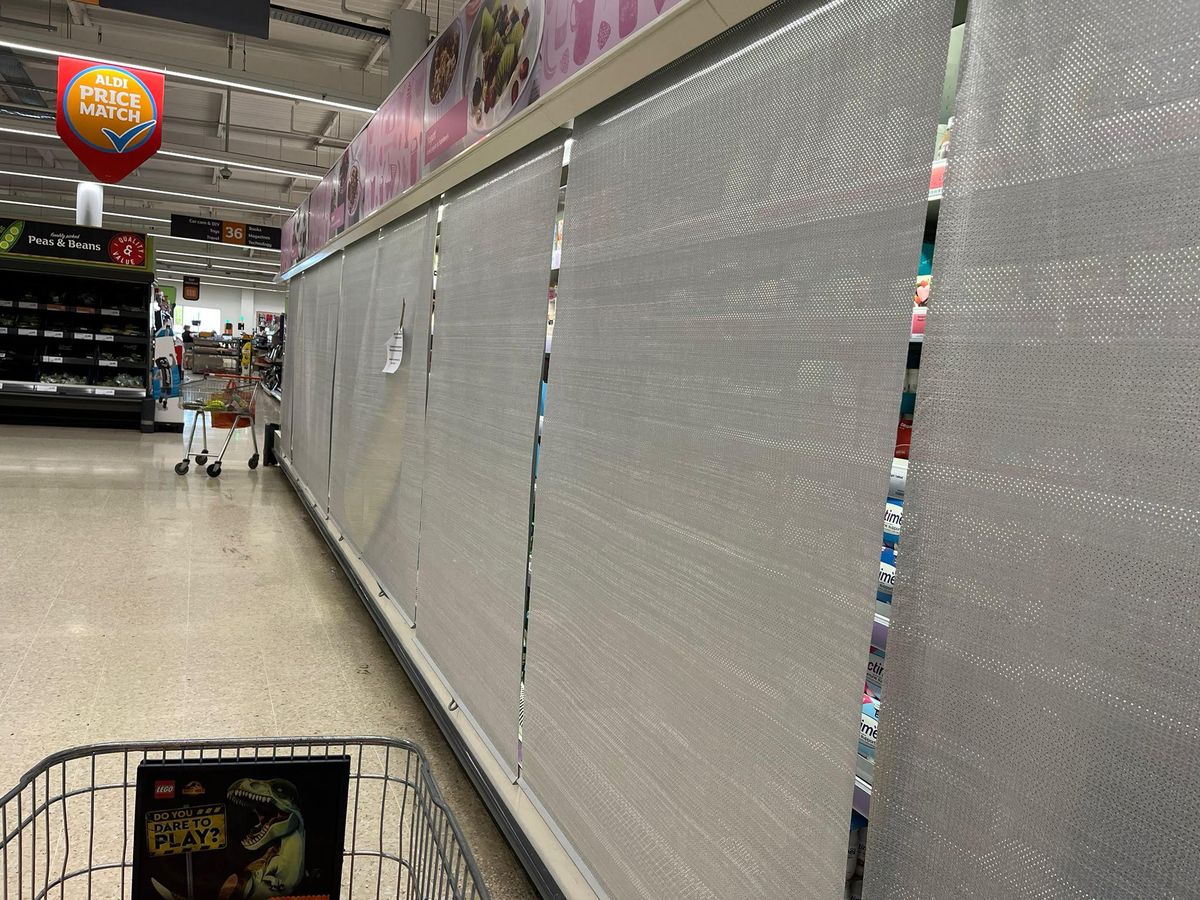
In open refrigeration systems, airflow control is critical for maintaining temperature stability and energy efficiency. However, even with properly installed covers, performance can vary significantly depending on internal airflow behavior. One of the most overlooked factors is fan direction. Improper airflow alignment is a key reason behind why night covers not working properly, especially in open refrigerated displays operating overnight.
Understanding how fan direction interacts with night covers helps retailers improve sealing efficiency, reduce energy waste, and maintain product temperature stability.
1. Role of Case Fans in Refrigerated Displays
Case fans are responsible for circulating cold air throughout the display unit. They maintain the air curtain, distribute cooling evenly, and support temperature consistency.
When fan direction is properly aligned:
- Cold air flows evenly across the display
- Air curtain remains stable
- Cooling efficiency is maintained
However, incorrect fan direction disrupts this balance and contributes to refrigeration airflow problems in display cases.
2. How Fan Direction Influences Air Containment
In open refrigerated systems, airflow must follow a controlled path to prevent air mixing. When fans push air in the wrong direction, the airflow pattern becomes unstable.
This leads to:
- Cold air escaping from unintended areas
- Warm air entering through weak zones
- Reduced effectiveness of airflow containment
These issues are directly related to why cold air containment fails in open display cases, even when night covers are in place.
3. Interaction Between Airflow and Night Covers
Night covers are designed to act as a physical barrier that prevents cold air loss and blocks external heat. However, they rely on stable internal airflow to function effectively.
If fan direction is misaligned:
- Air pressure builds unevenly beneath the cover
- Cold air pushes against weak sealing points
- Gaps form along edges and corners
This reduces sealing efficiency and explains why refrigeration covers fail to seal in many installations.
4. Air Pressure Imbalance and Cover Performance
Fan direction determines how air pressure is distributed inside the case. Incorrect airflow can create localized pressure zones that weaken cover contact.
This results in:
- Lifted edges along the cover surface
- Reduced contact between cover and frame
- Increased air leakage during overnight operation
These pressure imbalances are a major contributor to problems with supermarket night covers, especially in older display systems.
5. Cold Air Leakage Caused by Improper Fan Alignment
When airflow pushes outward instead of circulating internally, cold air is forced toward open edges or weak sealing points.
This leads to:
- Continuous cold air escape
- Increased refrigeration load
- Reduced overnight temperature stability
Such leakage is a key factor in cold air escaping from display case, even when covers appear properly installed.
6. Temperature Instability from Airflow Disruption
Fan misalignment does not just affect energy efficiency.it also disrupts internal temperature balance.
Retailers often notice:
- Uneven cooling across product zones
- Warmer areas near edges or corners
- Fluctuating temperature readings overnight
These conditions contribute to uneven temperature in refrigerated display case, affecting product quality and shelf life.
7. Increased Energy Consumption Due to Airflow Errors
Improper fan direction forces refrigeration systems to compensate for lost cooling efficiency. Compressors run longer cycles to maintain target temperatures.
This results in:
- Higher electricity usage overnight
- Increased system wear and tear
- Reduced overall efficiency
These effects directly impact how to reduce refrigeration energy loss strategies in supermarkets.
8. Nighttime Performance Challenges in Open Displays
During overnight hours, airflow stability becomes even more important. Without customer activity, systems should ideally operate under reduced load.
However, incorrect fan direction causes:
- Continuous air leakage
- Unstable cooling zones
- Higher baseline energy demand
This contributes to why refrigeration efficiency drops at night, even in controlled environments.
9. Importance of Correct Fan Calibration
Proper fan calibration ensures that airflow supports both cooling performance and cover efficiency. Fan direction should align with the design of the air curtain and internal circulation pattern.
Best practices include:
- Verifying airflow direction during installation
- Adjusting fan angle and speed
- Ensuring uniform air distribution across the case
These steps help improve overall refrigeration performance and reduce system inefficiencies.
10. How Fan Direction Affects Cover Sealing Quality
Even high-quality covers cannot perform effectively if airflow pushes against them in the wrong way.
Correct airflow supports:
- Even pressure distribution
- Strong contact between cover and edges
- Reduced air leakage points
This directly improves how to improve night cover performance, especially in open refrigerated displays.
11. Impact on Food Quality and Shelf Life
Airflow instability caused by incorrect fan direction affects product temperature consistency. This leads to uneven cooling exposure and increased spoilage risk.
Consequences include:
- Reduced product freshness
- Faster degradation in warmer zones
- Inconsistent shelf life across displayed items
These effects highlight temperature causing food spoilage in supermarket, even when systems appear operational.
12. Integrated Approach to Performance Optimization
Improving night cover efficiency requires addressing both physical barriers and airflow control. Fan direction must be aligned with system design to ensure proper interaction with covers.
Key improvements include:
- Regular airflow inspections
- Proper installation of night covers
- Continuous monitoring of system performance
These measures reduce energy loss and improve temperature stability across refrigerated displays.
Conclusion
Case fan direction plays a critical role in determining night cover performance in open refrigerated displays. Misaligned airflow leads to pressure imbalance, air leakage, and reduced sealing efficiency, explaining why night covers not working properly in many retail environments.
By optimizing fan direction and ensuring proper installation, retailers can reduce energy waste in open refrigerated display cases, improve temperature stability, and enhance overall refrigeration efficiency.