Introduction
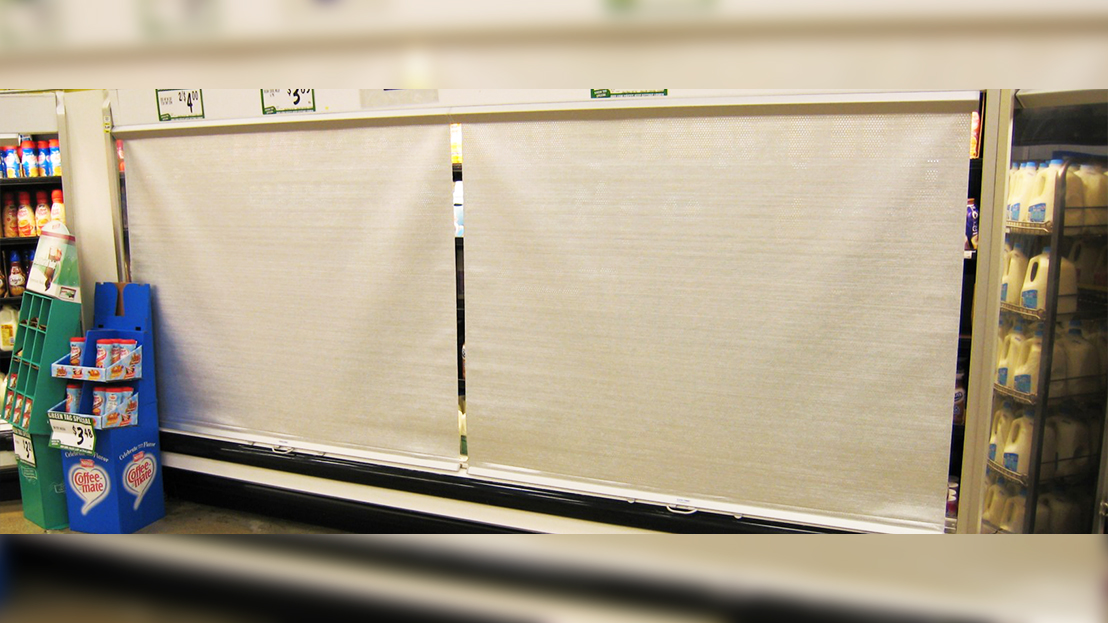
Overnight hours are typically when supermarkets rely on covers to stabilize temperatures and reduce energy loss in open refrigerated displays. At the same time, many refrigeration systems run scheduled defrost cycles to remove ice buildup from evaporator coils. The interaction between these two processes is often overlooked. In fact, why refrigerated case warms up overnight is frequently linked to how defrost cycles behave when covers are in place.
Understanding this interaction is essential for maintaining efficiency, preventing temperature instability, and protecting product quality.
1. What Happens During a Defrost Cycle?
Defrost cycles are necessary to remove frost accumulation on evaporator coils, which can restrict airflow and reduce cooling efficiency.
During a defrost cycle:
- Cooling temporarily stops
- Heat is introduced to melt ice
- Moisture is released into the system
While this process is essential, it temporarily raises internal temperatures and changes humidity conditions inside the case.
2. How Covers Alter Defrost Conditions
When covers are applied overnight, they create a more enclosed environment inside the refrigerated case. This changes how heat and moisture behave during defrost cycles.
With covers in place:
- Heat from defrost remains trapped longer
- Moisture accumulates inside the case
- Cooling recovery may be delayed
These changes contribute to temperature fluctuations in display cases causes, especially during overnight operation.
3. Heat Retention During Defrost Cycles
Covers are designed to retain cold air, but during defrost cycles, they also retain heat generated inside the system.
This leads to:
- Higher internal temperature spikes
- Slower dissipation of defrost heat
- Increased thermal load after the cycle ends
These conditions are a key factor in why refrigeration efficiency drops at night, even when covers are used.
4. Moisture Accumulation and Humidity Effects
Defrost cycles release moisture as ice melts. When covers are present, this moisture cannot easily escape.
This results in:
- Increased humidity levels inside the case
- Condensation on product surfaces
- Higher risk of microbial growth
These effects contribute to temperature causing food spoilage in supermarket, particularly in sensitive product categories.
5. Airflow Disruption During and After Defrost
Airflow plays a critical role in restoring normal cooling after a defrost cycle. However, covers can restrict airflow movement.
This causes:
- Slower air circulation
- Delayed cooling recovery
- Uneven temperature distribution
These issues are directly related to refrigeration airflow problems in display cases, affecting system performance.
6. Impact on Temperature Stability Overnight
Because defrost cycles temporarily interrupt cooling, temperature stability depends on how quickly the system can recover.
With covers in place:
- Recovery time may increase
- Temperature peaks may be higher
- Cooling consistency may vary across zones
This contributes to open display case temperature not stable, especially in open refrigerated systems.
7. Increased Risk of Thermal Infiltration After Defrost
After a defrost cycle, the system is more vulnerable to external heat entering the case. If covers are not properly sealed, this effect becomes more pronounced.
This leads to:
- Warm air entering through gaps
- Additional cooling demand
- Reduced efficiency
These conditions are linked to thermal infiltration in supermarket refrigeration, which can persist after defrost cycles.
8. Energy Consumption Implications
The interaction between defrost cycles and covers can increase overall energy usage if not properly managed.
This happens when:
- Systems require longer cooling cycles to recover
- Compressor runtime increases after defrost
- Energy savings from covers are partially offset
These effects contribute to refrigeration system using too much electricity, even during low-activity periods.
9. Product Quality and Shelf Life Impact
Temperature spikes and increased humidity during defrost cycles can affect product quality.
Retailers may notice:
- Faster spoilage of perishable items
- Reduced freshness and texture
- Inconsistent product appearance
These issues are part of why food spoils faster in display case, particularly when defrost cycles are not optimized.
10. Importance of Proper Cover Use During Defrost
Covers should be used strategically to balance energy savings and system performance.
Best practices include:
- Ensuring proper sealing to minimize heat exchange
- Monitoring temperature recovery after defrost
- Adjusting defrost schedules if needed
These steps help address why night covers not working properly, ensuring they support rather than hinder system efficiency.
11. Optimizing Defrost Scheduling and Cover Performance
Aligning defrost cycles with operational needs improves overall efficiency.
Effective strategies include:
- Scheduling defrost cycles during low-impact periods
- Reducing frequency where possible
- Coordinating with cover usage patterns
These adjustments support how to improve night cover performance while maintaining system stability.
12. Long-Term Efficiency and System Balance
Managing the interaction between defrost cycles and covers ensures long-term efficiency and consistent refrigeration performance.
Benefits include:
- Reduced energy consumption
- Improved temperature stability
- Better product preservation
This helps achieve how to reduce refrigeration energy loss, even in complex retail environments.
Conclusion
Overnight defrost cycles and refrigeration covers interact in ways that significantly impact temperature stability, energy consumption, and product quality. While covers help retain cold air, they can also trap heat and moisture during defrost cycles, leading to instability and inefficiency. This explains why refrigerated case warms up overnight in many supermarkets.
By optimizing defrost scheduling and ensuring proper cover use, retailers can reduce energy waste in open refrigerated display cases, improve system performance, and maintain product freshness.
For More Information
For more insights on refrigeration efficiency and supermarket cover solutions, visit https://www.supermarketcovers.com.