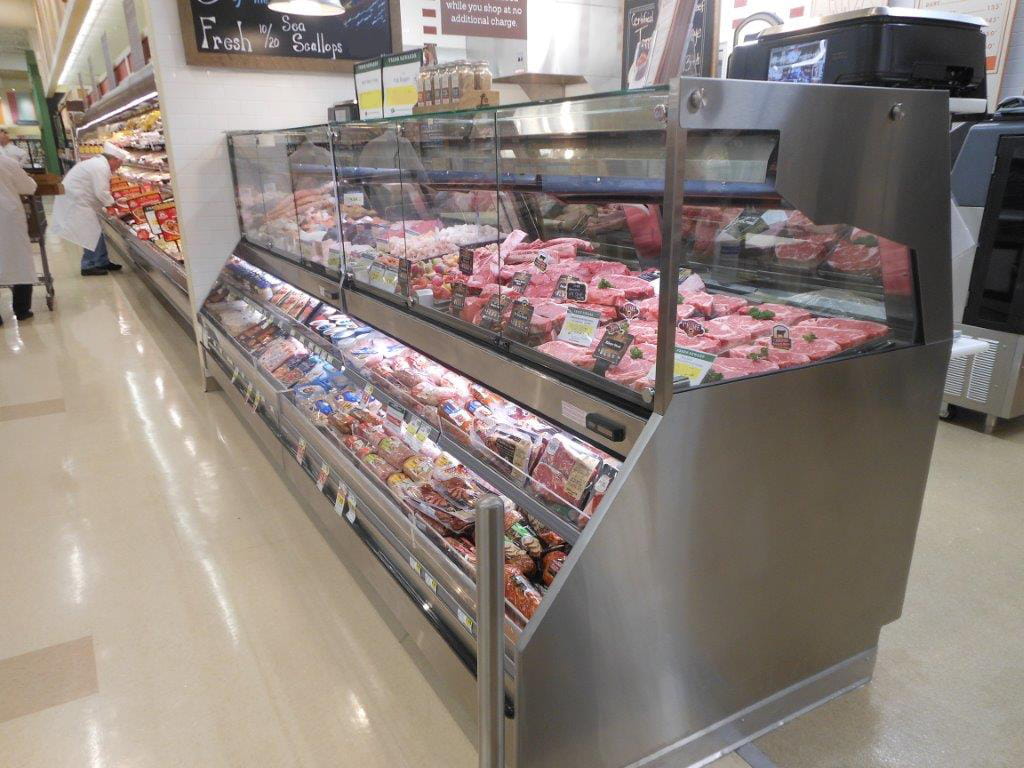
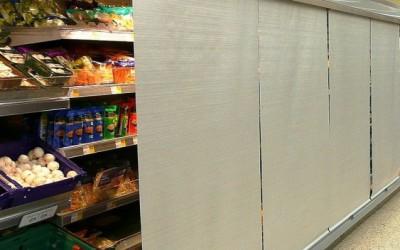
Introduction

In supermarket refrigeration, temperature control often receives the most attention, but humidity management is just as critical especially during overnight operations. When covers are applied to open display cases, the internal environment becomes more enclosed, changing how moisture behaves inside the system. Poor humidity control is a hidden factor behind why fresh food loses quality overnight, particularly in produce and deli sections.

Understanding how humidity interacts with refrigeration covers helps retailers protect product quality, reduce spoilage, and improve overall system efficiency.

1. The Role of Humidity in Food Preservation

Humidity directly affects how food retains moisture, texture, and visual appeal. Fresh produce requires higher humidity to prevent dehydration, while deli products need controlled conditions to avoid condensation and bacterial growth.

When humidity is not properly managed:

  • Produce loses moisture and becomes wilted
  • Deli items develop surface condensation
  • Product appearance deteriorates quickly

These effects contribute to temperature causing food spoilage in supermarket, even when cooling systems are functioning correctly.

2. How Night Covers Change the Internal Environment

Applying covers to refrigerated cases reduces airflow exchange with the surrounding environment. While this helps retain cold air, it also traps moisture inside the case.

This leads to:

  • Increased humidity levels overnight
  • Reduced moisture escape
  • Formation of condensation on surfaces

If not controlled properly, this explains why refrigerated case warms up overnight, as trapped moisture affects thermal balance.

3. Moisture Accumulation and Condensation Risks

When warm air moisture comes into contact with cold surfaces inside a covered case, condensation forms. This is especially common in deli and produce sections.

Condensation results in:

  • Water droplets on food surfaces
  • Increased microbial growth risk
  • Reduced product shelf life

These issues are a key factor in why food spoils faster in display case, even under refrigeration.

4. Interaction Between Temperature and Humidity

Temperature and humidity are closely linked. When humidity levels rise inside a covered case, they influence how heat is retained and transferred.

This causes:

  • Slower cooling efficiency
  • Increased thermal load inside the case
  • Reduced system performance overnight

These interactions contribute to temperature fluctuations in display cases causes, making it harder to maintain stable conditions.

5. Impact of Poor Humidity Control on Produce

Fresh produce is highly sensitive to humidity changes. Too little moisture leads to dehydration, while too much promotes decay.

Common effects include:

  • Leafy greens wilting
  • Fruits losing firmness
  • Surface spoilage due to excess moisture

This imbalance is a major contributor to why fresh food loses quality overnight in retail environments.

6. Deli Products and Surface Moisture Sensitivity

Deli items such as meats, cheeses, and prepared foods react differently to humidity changes. Excess moisture can alter texture and increase spoilage risk.

This leads to:

  • Slimy or sticky surfaces
  • Loss of visual freshness
  • Increased bacterial activity

Such conditions are often linked to temperature causing food spoilage in supermarket, combined with poor humidity control.

7. Airflow Reduction and Moisture Imbalance

Night covers reduce airflow, which is beneficial for energy savings but can create moisture imbalance if not properly managed.

This results in:

  • Uneven humidity distribution
  • Moisture buildup in certain zones
  • Reduced evaporation inside the case

These conditions contribute to refrigeration airflow problems in display cases, affecting both temperature and humidity balance.

8. Thermal Infiltration and Moisture Entry

Even with covers in place, small gaps can allow warm, humid air to enter the system. This increases internal moisture levels overnight.

This leads to:

  • Increased condensation formation
  • Additional refrigeration load
  • Reduced efficiency of cooling systems

These effects are linked to thermal infiltration in supermarket refrigeration, which impacts overnight performance.

9. Energy Efficiency and Humidity Control

Humidity levels influence how hard refrigeration systems must work. High moisture content in the air increases the energy required to maintain cooling conditions.

This results in:

  • Longer compressor runtime
  • Increased electricity consumption
  • Reduced system efficiency

These factors contribute to refrigeration system using too much electricity, especially during overnight operation.

10. Importance of Proper Cover Installation

Humidity control is closely tied to how well covers are installed. Poor sealing allows moisture exchange with the external environment.

Common issues include:

  • Gaps along edges
  • Loose cover placement
  • Incomplete sealing surfaces

These problems are often seen in problems with supermarket night covers, reducing their effectiveness.

11. Best Practices for Managing Humidity Overnight

To maintain optimal humidity levels in covered refrigerated cases, retailers should adopt proper operational strategies.

Key practices include:

  • Ensuring tight cover sealing
  • Monitoring humidity levels regularly
  • Maintaining proper airflow balance inside the case

These steps support how to improve night cover performance, ensuring both energy efficiency and product quality.

12. Impact on Product Freshness and Waste Reduction

Proper humidity control helps preserve food quality and reduce waste. Balanced moisture levels maintain texture, appearance, and shelf life of products.

Benefits include:

  • Improved product freshness
  • Reduced spoilage rates
  • Better customer satisfaction

This directly supports reduce spoilage in refrigerated display, improving overall retail performance.

Conclusion

Humidity control plays a critical role when covering refrigerated produce and deli cases overnight. While covers help reduce energy loss, they also alter moisture behavior inside the system. Without proper humidity management, condensation, spoilage, and inefficiency can occur, contributing to why fresh food loses quality overnight.

By ensuring proper cover installation and maintaining balanced humidity levels, retailers can improve product quality, reduce energy waste in open refrigerated display cases, and enhance overall refrigeration performance.

For More Information

For more insights on refrigeration efficiency and supermarket cover solutions, visit https://www.supermarketcovers.com.

Night Cover Performance

Introduction

In open refrigeration systems, airflow control is critical for maintaining temperature stability and energy efficiency. However, even with properly installed covers, performance can vary significantly depending on internal airflow behavior. One of the most overlooked factors is fan direction. Improper airflow alignment is a key reason behind why night covers not working properly, especially in open refrigerated displays operating overnight.

Understanding how fan direction interacts with night covers helps retailers improve sealing efficiency, reduce energy waste, and maintain product temperature stability.

1. Role of Case Fans in Refrigerated Displays

Case fans are responsible for circulating cold air throughout the display unit. They maintain the air curtain, distribute cooling evenly, and support temperature consistency.

When fan direction is properly aligned:

  • Cold air flows evenly across the display
  • Air curtain remains stable
  • Cooling efficiency is maintained

However, incorrect fan direction disrupts this balance and contributes to refrigeration airflow problems in display cases.

2. How Fan Direction Influences Air Containment

In open refrigerated systems, airflow must follow a controlled path to prevent air mixing. When fans push air in the wrong direction, the airflow pattern becomes unstable.

This leads to:

  • Cold air escaping from unintended areas
  • Warm air entering through weak zones
  • Reduced effectiveness of airflow containment

These issues are directly related to why cold air containment fails in open display cases, even when night covers are in place.

3. Interaction Between Airflow and Night Covers

Night covers are designed to act as a physical barrier that prevents cold air loss and blocks external heat. However, they rely on stable internal airflow to function effectively.

If fan direction is misaligned:

  • Air pressure builds unevenly beneath the cover
  • Cold air pushes against weak sealing points
  • Gaps form along edges and corners

This reduces sealing efficiency and explains why refrigeration covers fail to seal in many installations.

4. Air Pressure Imbalance and Cover Performance

Fan direction determines how air pressure is distributed inside the case. Incorrect airflow can create localized pressure zones that weaken cover contact.

This results in:

  • Lifted edges along the cover surface
  • Reduced contact between cover and frame
  • Increased air leakage during overnight operation

These pressure imbalances are a major contributor to problems with supermarket night covers, especially in older display systems.

5. Cold Air Leakage Caused by Improper Fan Alignment

When airflow pushes outward instead of circulating internally, cold air is forced toward open edges or weak sealing points.

This leads to:

  • Continuous cold air escape
  • Increased refrigeration load
  • Reduced overnight temperature stability

Such leakage is a key factor in cold air escaping from display case, even when covers appear properly installed.

6. Temperature Instability from Airflow Disruption

Fan misalignment does not just affect energy efficiency.it also disrupts internal temperature balance.

Retailers often notice:

  • Uneven cooling across product zones
  • Warmer areas near edges or corners
  • Fluctuating temperature readings overnight

These conditions contribute to uneven temperature in refrigerated display case, affecting product quality and shelf life.

7. Increased Energy Consumption Due to Airflow Errors

Improper fan direction forces refrigeration systems to compensate for lost cooling efficiency. Compressors run longer cycles to maintain target temperatures.

This results in:

  • Higher electricity usage overnight
  • Increased system wear and tear
  • Reduced overall efficiency

These effects directly impact how to reduce refrigeration energy loss strategies in supermarkets.

8. Nighttime Performance Challenges in Open Displays

During overnight hours, airflow stability becomes even more important. Without customer activity, systems should ideally operate under reduced load.

However, incorrect fan direction causes:

  • Continuous air leakage
  • Unstable cooling zones
  • Higher baseline energy demand

This contributes to why refrigeration efficiency drops at night, even in controlled environments.

9. Importance of Correct Fan Calibration

Proper fan calibration ensures that airflow supports both cooling performance and cover efficiency. Fan direction should align with the design of the air curtain and internal circulation pattern.

Best practices include:

  • Verifying airflow direction during installation
  • Adjusting fan angle and speed
  • Ensuring uniform air distribution across the case

These steps help improve overall refrigeration performance and reduce system inefficiencies.

10. How Fan Direction Affects Cover Sealing Quality

Even high-quality covers cannot perform effectively if airflow pushes against them in the wrong way.

Correct airflow supports:

  • Even pressure distribution
  • Strong contact between cover and edges
  • Reduced air leakage points

This directly improves how to improve night cover performance, especially in open refrigerated displays.

11. Impact on Food Quality and Shelf Life

Airflow instability caused by incorrect fan direction affects product temperature consistency. This leads to uneven cooling exposure and increased spoilage risk.

Consequences include:

  • Reduced product freshness
  • Faster degradation in warmer zones
  • Inconsistent shelf life across displayed items

These effects highlight temperature causing food spoilage in supermarket, even when systems appear operational.

12. Integrated Approach to Performance Optimization

Improving night cover efficiency requires addressing both physical barriers and airflow control. Fan direction must be aligned with system design to ensure proper interaction with covers.

Key improvements include:

  • Regular airflow inspections
  • Proper installation of night covers
  • Continuous monitoring of system performance

These measures reduce energy loss and improve temperature stability across refrigerated displays.

Conclusion

Case fan direction plays a critical role in determining night cover performance in open refrigerated displays. Misaligned airflow leads to pressure imbalance, air leakage, and reduced sealing efficiency, explaining why night covers not working properly in many retail environments.

By optimizing fan direction and ensuring proper installation, retailers can reduce energy waste in open refrigerated display cases, improve temperature stability, and enhance overall refrigeration efficiency.

For More Information

For more insights on refrigeration efficiency and supermarket cover solutions, visit https://www.supermarketcovers.com.

Seal Around Uneven Case Edges

Introduction

In many retail environments, why refrigerated display case losing cold air is one of the most frequently reported operational issues. A major but often overlooked cause is poor sealing of refrigeration covers around uneven case edges. Even when systems are functioning correctly, small structural gaps can lead to continuous energy leakage and unstable cooling performance in supermarket displays.

These sealing failures directly affect temperature control, product freshness, and long-term energy consumption across grocery stores.

1. Uneven Case Edges and Structural Misalignment

One of the main reasons covers fail to seal properly is physical unevenness in refrigerated display structures. Over time, installation shifts, floor leveling issues, or repeated maintenance adjustments can create misaligned edges.

This leads to:

  • Gaps between cover and frame
  • Uneven pressure points along sealing lines
  • Reduced insulation efficiency

As a result, cold air escaping from display case becomes a continuous issue, even when covers appear properly installed.

2. Impact of Poor Sealing on Temperature Stability

When covers do not seal evenly, cold air escapes and warm air enters the system. This disrupts internal balance and creates unstable cooling conditions.

Retailers often observe:

  • Fluctuating product temperatures
  • Inconsistent cooling zones inside the case
  • Increased compressor workload

These conditions contribute directly to open display case temperature not stable, affecting both system performance and food safety.

3. Airflow Disruption Caused by Edge Gaps

Proper refrigeration depends on controlled airflow within the display system. However, gaps in cover sealing disrupt this airflow pattern.

This leads to:

  • Weak cold air retention
  • Increased mixing of warm and cold air
  • Reduced cooling efficiency in open zones

These issues are a key reason behind refrigeration airflow problems in display cases, especially in high-traffic supermarkets.

4. Energy Loss from Improper Cover Contact

When covers fail to align properly with case edges, refrigeration systems compensate by increasing cooling output.

This results in:

  • Higher compressor runtime
  • Continuous energy draw
  • Reduced system efficiency

Over time, this contributes significantly to how to reduce refrigeration energy loss challenges faced by retailers managing multiple display units.

5. Why Temperature Fluctuations Increase with Poor Sealing

Even minor sealing gaps can lead to noticeable temperature fluctuations inside refrigerated cases. These fluctuations occur because external air continuously interacts with internal cooling zones.

This causes:

  • Uneven cooling distribution
  • Frequent system adjustments
  • Loss of stable thermal balance

Such instability increases temperature fluctuations in display cases causes, making it harder to maintain consistent product quality.

6. Night Cover Performance and Installation Errors

Night covers are designed to reduce heat gain and prevent cold air loss during off-hours. However, improper installation significantly reduces their effectiveness.
Common issues include:

  • Misaligned cover placement
  • Loose fastening along edges
  • Incomplete coverage of display surfaces

These errors explain why night covers not working properly, even when high-quality materials are used.

7. Thermal Infiltration Through Edge Gaps

Even small gaps in cover sealing allow thermal infiltration to occur. Warm air enters while cold air escapes, creating continuous energy imbalance.

This leads to:

  • Increased refrigeration load
  • Reduced temperature stability overnight
  • Higher energy consumption during idle hours

These effects are directly linked to thermal infiltration in supermarket refrigeration, which remains active even without customer traffic.

8. Why Energy Consumption Increases with Sealing Failures

When covers do not properly seal, refrigeration systems must operate longer and more frequently to maintain target temperatures.

This results in:

  • Higher electricity usage
  • Increased operational costs
  • Reduced equipment lifespan efficiency

These issues are a major factor behind why supermarket energy bill is high refrigeration, especially in stores with multiple open cases.

9. Heat Gain and Edge Exposure Problems

Uneven edges create direct exposure points where external heat enters the system. These weak zones accelerate heat gain and reduce cooling efficiency.

This leads to:

  • Faster product warming in exposed areas
  • Uneven temperature distribution
  • Reduced overall system performance

Such issues increase heat gain in refrigerated display case causes, making consistent cooling difficult to maintain.

10. Impact on Food Freshness and Product Loss

Poor sealing not only affects energy performance but also directly impacts food quality. Temperature instability caused by air leakage accelerates spoilage in perishable products.

Retailers often experience:

  • Reduced shelf life of fresh items
  • Increased product waste
  • Loss of visual freshness in displays

This contributes to why food spoils faster in display case, affecting both profitability and customer perception.

11. How Proper Sealing Improves Efficiency

Ensuring proper alignment and sealing of refrigeration covers significantly improves system performance. Even small adjustments can create major energy savings.

Benefits include:

  • Stable internal temperatures
  • Reduced compressor cycling
  • Improved airflow control

These improvements directly support how to lower energy costs in grocery store refrigeration, helping retailers optimize operational efficiency.

12. Best Practices for Improving Cover Performance

To prevent sealing failures, supermarkets should focus on regular inspection and correct installation practices.

Key steps include:

  • Checking alignment of case edges
  • Ensuring full surface contact of covers
  • Replacing worn or damaged sealing components

These practices help maintain system stability and reduce long-term refrigeration losses.

Conclusion

Supermarket refrigeration covers often fail to seal properly due to uneven case edges, installation errors, and structural misalignment. These issues lead to cold air leakage, energy waste, and unstable temperature control across display systems. As a result, why refrigerated display case losing cold air becomes a persistent operational challenge in retail environments.

By addressing sealing gaps and improving installation quality, retailers can significantly reduce energy waste in open refrigerated display cases, improve temperature stability, and enhance overall refrigeration efficiency.

For More Information

For more insights on refrigeration efficiency and supermarket cover solutions, visit https://www.supermarketcovers.com.

Best practices to keep covers sanitary and functional year-round with minimal wear

Refrigeration covers are a simple yet powerful tool for protecting perishable products, stabilizing case temperatures, and reducing energy use in supermarkets and grocery stores. However, like any high-use store equipment, covers require proper cleaning and maintenance to stay effective. Over time, dirt, moisture, and repeated handling can compromise performance, reduce insulation, and even contribute to food safety risks. This guide provides a seasonal approach to maintaining refrigeration covers, helping store teams keep them clean, functional, and durable throughout the year.

Why Cleaning and Maintenance Matter

Refrigeration covers play a critical role in product preservation, but neglecting upkeep can lead to:

  • Reduced Insulation: Dirt or debris trapped in seams or folds can allow cold air to escape overnight, increasing compressor workload and energy costs.
  • Sanitation Risks: Food particles, moisture, or mold growth on covers may contaminate products or surfaces during deployment.
  • Material Degradation: Improper cleaning methods, harsh chemicals, or exposure to high heat can damage covers, shortening their lifespan.
  • Poor Appearance: Worn or stained covers can look unprofessional, impacting the overall store presentation.
    Proper seasonal cleaning and inspection routines extend the life of covers while ensuring consistent performance in protecting temperature-sensitive products.

Winter Cleaning and Maintenance

Winter presents unique challenges: lower ambient humidity can dry out certain materials, while frequent indoor heating may create condensation on cover surfaces. Key practices include:

  1. Pre-Winter Inspection
    • Check for tears, fraying, or worn edges. Replace damaged covers before cold-season use.
    • Confirm that magnetic or fastening elements function correctly, ensuring a tight seal.
  2. Deep Clean
    • Use a mild, food-safe detergent or disinfectant to remove dust, grease, and residue.
    • Avoid harsh scrubbing that could damage woven aluminum or coated fabric surfaces.
  3. Dry Thoroughly
    • Allow covers to air-dry completely before storing or deploying to prevent moisture-related issues such as mold or mildew.
  4. Adjust Storage Practices
    • Roll or fold covers carefully to avoid creases, especially for larger multi-deck or coffin-style covers.

Winter maintenance ensures covers remain flexible, airtight, and ready to contain cold air efficiently throughout the season.

Spring Cleaning and Maintenance

Spring brings warmer temperatures and increased humidity, which can accelerate mold growth and weaken materials. Focus on:

  1.  Moisture Control
    • Inspect covers for trapped water or condensation, particularly after overnight use or cleaning.
    • Wipe dry with a lint-free cloth to maintain cleanliness and prevent mildew.
  2. Check Fasteners and Alignment
    • Spring is an ideal time to inspect magnetic strips, snaps, or Velcro closures for wear.
    • Misaligned fasteners can compromise insulation and allow warm air to infiltrate cases.
  3. Light-Blocking Assessment
    • Evaluate the reflective or opaque surfaces of covers to ensure they still provide protection from harmful lights.
    • Replace covers that have worn through coatings or reflective layers.
    • Spring maintenance helps prevent seasonal humidity from affecting product quality, particularly in produce, dairy, and fresh meats.

Summer Cleaning and Maintenance

High temperatures and peak refrigeration demand make summer a critical time for cover performance. Key steps include:

  1. Routine Surface Wipe-Downs
    • Clean covers at least weekly with food-safe sprays or wipes to remove fingerprints, dust, and debris.
    • Focus on edges and folds where dirt accumulates and insulation can be compromised.
  2. Inspect for Thermal Damage
    • Heat from nearby lights or case compressors can warp or weaken covers over time.
    • Ensure covers sit flat and seal properly without gaps to maintain overnight cooling efficiency.
  3. Integration With Daily SOPs
    • Reinforce nightly cover routines with staff accountability checklists to prevent missed deployments during busy summer periods.
    • Maintaining covers in summer ensures consistent case temperatures, reduces spoilage risk, and supports energy savings during peak demand.

Fall Cleaning and Maintenance

As cooler weather returns, stores often prepare for heavier merchandising and holiday displays. Fall maintenance focuses on inspection and readiness:

  1. Pre-Holiday Deep Clean
    • Remove covers from cases and perform a thorough cleaning to remove dust, grease, and potential microbial buildup.
    • Inspect seams, edges, and corners for wear or weak spots.
  2. Repair or Replace
    • Address minor damage immediately to avoid more costly replacements during high-sales periods.
    • Ensure magnetic strips, snaps, or Velcro attachments are fully functional.
  3. Storage Adjustments
    • Fold or roll covers carefully for temporary storage, avoiding pressure points that could deform reflective surfaces.
    • Fall maintenance ensures covers are fully operational during increased holiday traffic, when cases are heavily loaded and display times are longer.

General Cleaning Tips Year-Round

Use Food-Safe Cleaners: Always select detergents and disinfectants approved for food-contact areas.

  • Avoid Abrasive Tools: Steel wool or harsh brushes can scratch or weaken covers.
  • Check Fit After Cleaning: Ensure covers still seal tightly and edges align correctly.
  • Train Staff: Incorporate cleaning and inspection steps into closing routines for consistent execution.
    Following these tips protects both product quality and the covers themselves, creating long-term savings on replacements and energy costs.

Conclusion

Refrigeration covers are a key tool for maintaining case temperatures, protecting perishables, and reducing energy consumption. However, their effectiveness depends on regular, seasonal cleaning and proper maintenance. By following a structured approach adjusted for winter, spring, summer, and fall retail teams can keep covers sanitary, durable, and functional year-round.
Routine inspection, careful cleaning, and proper storage ensure covers continue to block warm air, limit exposure to harmful lights, and reduce spoilage across produce, dairy, meats, and prepared foods. Investing time in cover maintenance not only extends product shelf life but also supports energy efficiency, operational reliability, and overall store presentation.

For more information on high-quality refrigeration covers and seasonal maintenance tips, visit www.supermarketcovers.com.
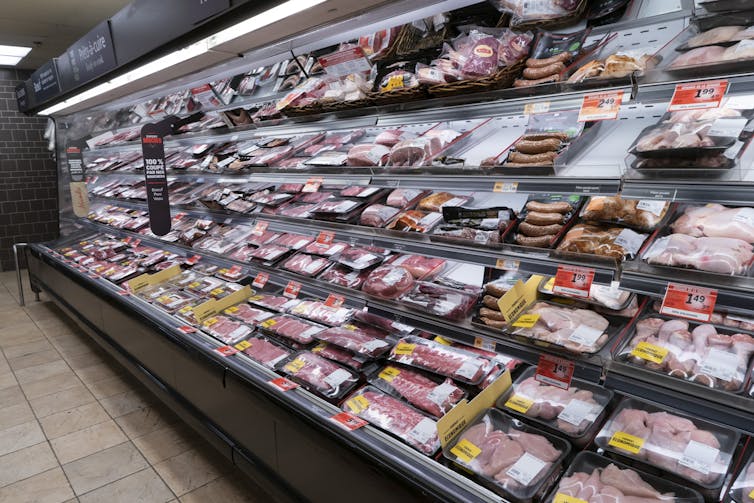
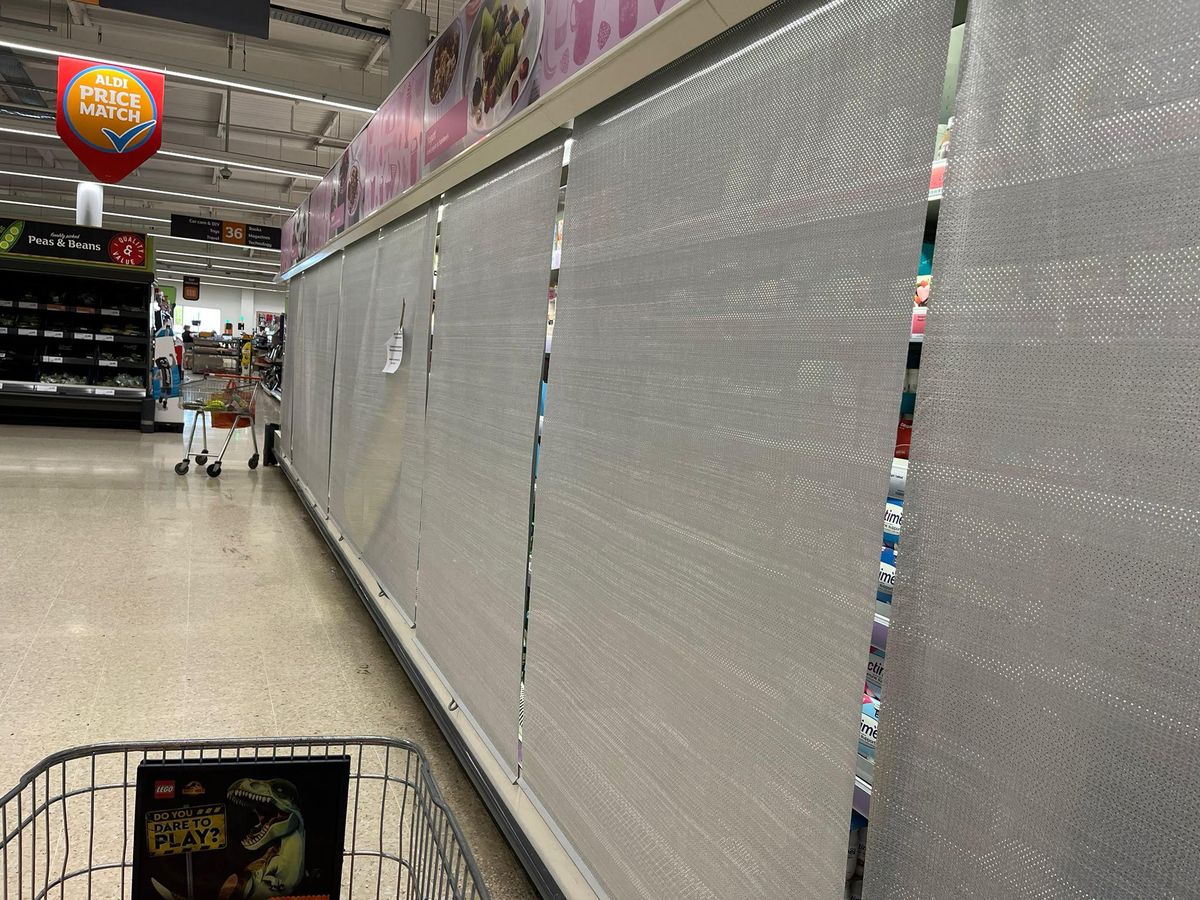
 How needs differ by store size and how coverage strategy changes with case load and hours

Refrigeration covers are essential tools for maintaining cold temperatures, protecting perishable products, and reducing energy consumption in grocery retail. While the principle is the same across all stores containing cold air after hours the needs and strategies for small grocery stores versus big-box supermarkets differ significantly. Understanding these differences helps store teams select the right covers, implement effective routines, and maximize product quality while minimizing energy costs.

Why Store Size Affects Refrigeration Cover Strategy

The performance and benefits of refrigeration covers depend heavily on the size and type of store:

  • Small Grocery Stores:
  • Often have fewer cases and shorter aisles.
  • Cases may be closer to walls or each other, which can limit airflow around covers.
  • Operating hours may be shorter, but night temperatures fluctuate more rapidly due to limited HVAC zoning.

Big Box Supermarkets:

  • Multiple aisles, multi-deck cases, and higher customer traffic.
  • Longer operating hours and continuous product turnover.
  • Larger case volumes mean that small gaps or misaligned covers can have a bigger impact on energy use and product quality.
  • By recognizing these differences, store managers can adjust cover selection, deployment routines, and monitoring methods to suit the environment.

Case Load and Product Type Considerations

The number of cases and the types of products displayed influence how covers should be used:

Small Grocery Stores:

  • Cases often hold a mix of produce, dairy, and meat within the same display area.
  • Night covers should be flexible, lightweight, and easy to remove and deploy.
  • Multi-purpose covers may be sufficient, provided they fully seal the edges and prevent cold air loss.

Big Box Supermarkets:

  • Cases are often department-specific: produce, dairy, meat, bakery, or beverages.
  • Covers may need to be custom-fit for each type of case, considering dimensions, insulation needs, and handling frequency.
  • Larger cases may require reinforced materials or segmented covers for easier handling by staff.

Understanding case load ensures that covers perform effectively without creating workflow challenges or unnecessary strain on staff.

Coverage Strategy in Small Grocery Stores

Small stores often prioritize simplicity and speed:

  1. Multi-Purpose Covers:
    • Lightweight, easy to roll or fold.
    • Can cover multiple small cases simultaneously, reducing staff time at closing.
  2. Night Routine SOP:
    • Quick, consistent coverage helps reduce temperature drift in stores with minimal staff.
    • Covers are typically removed first thing in the morning to minimize delays in opening.
  3. Monitoring:
    • Smaller stores can track temperature stability with fewer sensors.
    • Staff can quickly spot any gaps, misaligned covers, or condensation issues.

With a straightforward approach, small stores can achieve noticeable energy savings and better product preservation without complex routines or specialized training.

Coverage Strategy in Big Box Supermarkets

Large stores require a more department-specific and strategic approach:

  1. Custom-Fit Covers for Each Case Type:
    • Multi-deck produce cases, island dairy displays, and coffin-style meat cases may each need different cover designs.
    • Correct sizing prevents warm air infiltration and reduces risk of condensation on glass.
  2. Segmented or Modular Covers:
    • Large cases can be divided into sections to make nightly deployment more manageable.
    • Modular design allows staff to remove only the sections needed for morning restocking, improving efficiency.
  3. Integration With Staff Routines:
    • With more cases and more staff, accountability and consistent use are critical.
    • Checklists, visual cues, and assigned responsibilities ensure that no cases are missed.
  4. Energy and Product Monitoring:
    • Large stores often use sensors to track temperature stability across aisles.
    • Data can highlight cases where coverage is insufficient or misaligned, enabling targeted interventions.

By tailoring strategies to the scale of the operation, big-box supermarkets maximize both energy savings and product quality.

Common Challenges Across Store Types

Despite differences, several challenges are shared:

  • Gaps and Misalignment: Even small gaps at the edges can let warm air enter, reducing efficiency.
  • Material Durability: Covers need to withstand repeated handling without tearing, fraying, or losing magnetic alignment.
  • Sanitation: Covers must be easy to clean and resistant to mold, mildew, and food residue.
  • Staff Compliance: Consistent use depends on straightforward SOPs and staff accountability systems.

Addressing these challenges ensures that covers remain effective regardless of store size.

Measuring Success

Both small and large stores can quantify the impact of proper cover use:

  • Energy Savings: Compare electricity consumption before and after cover deployment.
  • Temperature Stability: Monitor overnight case temperatures to ensure cold air retention.
  • Product Quality: Track shrink rates for sensitive products such as leafy greens, dairy, and meats.
  • Staff Efficiency: Measure the time needed for opening routines and night deployments.

By tracking these metrics, stores can justify the investment in covers and identify areas for operational improvement.

Conclusion

Refrigeration covers are a vital tool for protecting product quality, reducing shrink, and lowering energy consumption in both small grocery stores and large supermarkets. However, coverage strategies differ based on store size, case load, and department needs. Small stores benefit from multi-purpose, easy-to-deploy covers with simple nightly routines, while big-box supermarkets require custom-fitted, modular covers and department-specific SOPs to manage complex display layouts efficiently.

Regardless of size, proper installation, routine cleaning, and staff accountability are critical to maximizing benefits. When implemented thoughtfully, refrigeration covers not only improve energy efficiency but also help retailers deliver fresher, better-looking products to customers every morning.
For more guidance on selecting, installing, and maintaining effective refrigeration covers, visit www.supermarketcovers.com.

Quick Contact
We'll get back to you shortly.