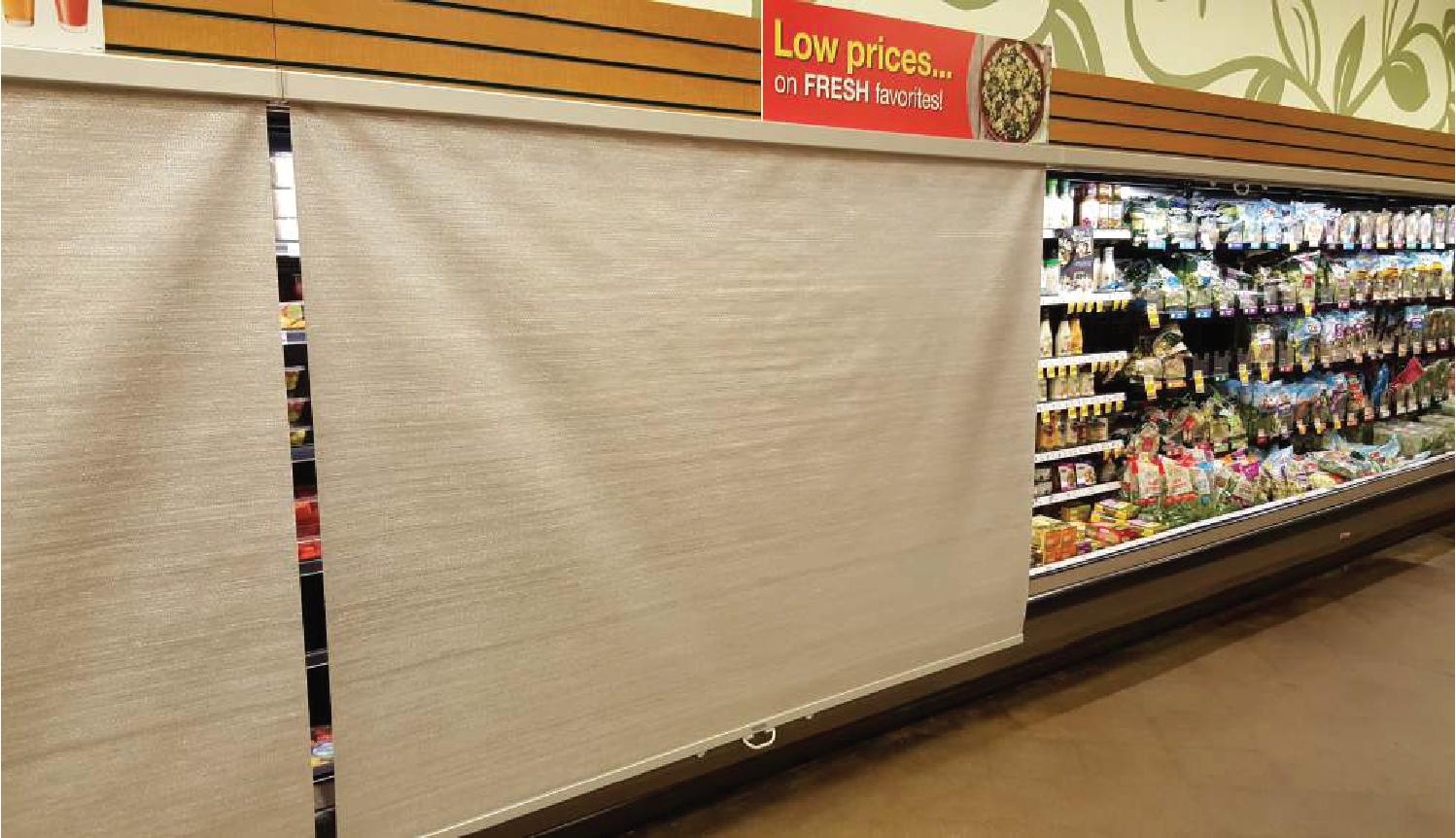
Best practices to keep covers sanitary and functional year-round with minimal wear

Refrigeration covers are a simple yet powerful tool for protecting perishable products, stabilizing case temperatures, and reducing energy use in supermarkets and grocery stores. However, like any high-use store equipment, covers require proper cleaning and maintenance to stay effective. Over time, dirt, moisture, and repeated handling can compromise performance, reduce insulation, and even contribute to food safety risks. This guide provides a seasonal approach to maintaining refrigeration covers, helping store teams keep them clean, functional, and durable throughout the year.

Why Cleaning and Maintenance Matter

Refrigeration covers play a critical role in product preservation, but neglecting upkeep can lead to:

  • Reduced Insulation: Dirt or debris trapped in seams or folds can allow cold air to escape overnight, increasing compressor workload and energy costs.
  • Sanitation Risks: Food particles, moisture, or mold growth on covers may contaminate products or surfaces during deployment.
  • Material Degradation: Improper cleaning methods, harsh chemicals, or exposure to high heat can damage covers, shortening their lifespan.
  • Poor Appearance: Worn or stained covers can look unprofessional, impacting the overall store presentation.
    Proper seasonal cleaning and inspection routines extend the life of covers while ensuring consistent performance in protecting temperature-sensitive products.

Winter Cleaning and Maintenance

Winter presents unique challenges: lower ambient humidity can dry out certain materials, while frequent indoor heating may create condensation on cover surfaces. Key practices include:

  1. Pre-Winter Inspection
    • Check for tears, fraying, or worn edges. Replace damaged covers before cold-season use.
    • Confirm that magnetic or fastening elements function correctly, ensuring a tight seal.
  2. Deep Clean
    • Use a mild, food-safe detergent or disinfectant to remove dust, grease, and residue.
    • Avoid harsh scrubbing that could damage woven aluminum or coated fabric surfaces.
  3. Dry Thoroughly
    • Allow covers to air-dry completely before storing or deploying to prevent moisture-related issues such as mold or mildew.
  4. Adjust Storage Practices
    • Roll or fold covers carefully to avoid creases, especially for larger multi-deck or coffin-style covers.

Winter maintenance ensures covers remain flexible, airtight, and ready to contain cold air efficiently throughout the season.

Spring Cleaning and Maintenance

Spring brings warmer temperatures and increased humidity, which can accelerate mold growth and weaken materials. Focus on:

  1.  Moisture Control
    • Inspect covers for trapped water or condensation, particularly after overnight use or cleaning.
    • Wipe dry with a lint-free cloth to maintain cleanliness and prevent mildew.
  2. Check Fasteners and Alignment
    • Spring is an ideal time to inspect magnetic strips, snaps, or Velcro closures for wear.
    • Misaligned fasteners can compromise insulation and allow warm air to infiltrate cases.
  3. Light-Blocking Assessment
    • Evaluate the reflective or opaque surfaces of covers to ensure they still provide protection from harmful lights.
    • Replace covers that have worn through coatings or reflective layers.
    • Spring maintenance helps prevent seasonal humidity from affecting product quality, particularly in produce, dairy, and fresh meats.

Summer Cleaning and Maintenance

High temperatures and peak refrigeration demand make summer a critical time for cover performance. Key steps include:

  1. Routine Surface Wipe-Downs
    • Clean covers at least weekly with food-safe sprays or wipes to remove fingerprints, dust, and debris.
    • Focus on edges and folds where dirt accumulates and insulation can be compromised.
  2. Inspect for Thermal Damage
    • Heat from nearby lights or case compressors can warp or weaken covers over time.
    • Ensure covers sit flat and seal properly without gaps to maintain overnight cooling efficiency.
  3. Integration With Daily SOPs
    • Reinforce nightly cover routines with staff accountability checklists to prevent missed deployments during busy summer periods.
    • Maintaining covers in summer ensures consistent case temperatures, reduces spoilage risk, and supports energy savings during peak demand.

Fall Cleaning and Maintenance

As cooler weather returns, stores often prepare for heavier merchandising and holiday displays. Fall maintenance focuses on inspection and readiness:

  1. Pre-Holiday Deep Clean
    • Remove covers from cases and perform a thorough cleaning to remove dust, grease, and potential microbial buildup.
    • Inspect seams, edges, and corners for wear or weak spots.
  2. Repair or Replace
    • Address minor damage immediately to avoid more costly replacements during high-sales periods.
    • Ensure magnetic strips, snaps, or Velcro attachments are fully functional.
  3. Storage Adjustments
    • Fold or roll covers carefully for temporary storage, avoiding pressure points that could deform reflective surfaces.
    • Fall maintenance ensures covers are fully operational during increased holiday traffic, when cases are heavily loaded and display times are longer.

General Cleaning Tips Year-Round

Use Food-Safe Cleaners: Always select detergents and disinfectants approved for food-contact areas.

  • Avoid Abrasive Tools: Steel wool or harsh brushes can scratch or weaken covers.
  • Check Fit After Cleaning: Ensure covers still seal tightly and edges align correctly.
  • Train Staff: Incorporate cleaning and inspection steps into closing routines for consistent execution.
    Following these tips protects both product quality and the covers themselves, creating long-term savings on replacements and energy costs.

Conclusion

Refrigeration covers are a key tool for maintaining case temperatures, protecting perishables, and reducing energy consumption. However, their effectiveness depends on regular, seasonal cleaning and proper maintenance. By following a structured approach adjusted for winter, spring, summer, and fall retail teams can keep covers sanitary, durable, and functional year-round.
Routine inspection, careful cleaning, and proper storage ensure covers continue to block warm air, limit exposure to harmful lights, and reduce spoilage across produce, dairy, meats, and prepared foods. Investing time in cover maintenance not only extends product shelf life but also supports energy efficiency, operational reliability, and overall store presentation.

For more information on high-quality refrigeration covers and seasonal maintenance tips, visit www.supermarketcovers.com.
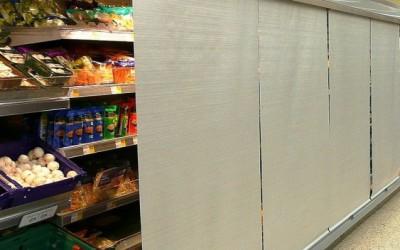
 How needs differ by store size and how coverage strategy changes with case load and hours

Refrigeration covers are essential tools for maintaining cold temperatures, protecting perishable products, and reducing energy consumption in grocery retail. While the principle is the same across all stores containing cold air after hours the needs and strategies for small grocery stores versus big-box supermarkets differ significantly. Understanding these differences helps store teams select the right covers, implement effective routines, and maximize product quality while minimizing energy costs.

Why Store Size Affects Refrigeration Cover Strategy

The performance and benefits of refrigeration covers depend heavily on the size and type of store:

  • Small Grocery Stores:
  • Often have fewer cases and shorter aisles.
  • Cases may be closer to walls or each other, which can limit airflow around covers.
  • Operating hours may be shorter, but night temperatures fluctuate more rapidly due to limited HVAC zoning.

Big Box Supermarkets:

  • Multiple aisles, multi-deck cases, and higher customer traffic.
  • Longer operating hours and continuous product turnover.
  • Larger case volumes mean that small gaps or misaligned covers can have a bigger impact on energy use and product quality.
  • By recognizing these differences, store managers can adjust cover selection, deployment routines, and monitoring methods to suit the environment.

Case Load and Product Type Considerations

The number of cases and the types of products displayed influence how covers should be used:

Small Grocery Stores:

  • Cases often hold a mix of produce, dairy, and meat within the same display area.
  • Night covers should be flexible, lightweight, and easy to remove and deploy.
  • Multi-purpose covers may be sufficient, provided they fully seal the edges and prevent cold air loss.

Big Box Supermarkets:

  • Cases are often department-specific: produce, dairy, meat, bakery, or beverages.
  • Covers may need to be custom-fit for each type of case, considering dimensions, insulation needs, and handling frequency.
  • Larger cases may require reinforced materials or segmented covers for easier handling by staff.

Understanding case load ensures that covers perform effectively without creating workflow challenges or unnecessary strain on staff.

Coverage Strategy in Small Grocery Stores

Small stores often prioritize simplicity and speed:

  1. Multi-Purpose Covers:
    • Lightweight, easy to roll or fold.
    • Can cover multiple small cases simultaneously, reducing staff time at closing.
  2. Night Routine SOP:
    • Quick, consistent coverage helps reduce temperature drift in stores with minimal staff.
    • Covers are typically removed first thing in the morning to minimize delays in opening.
  3. Monitoring:
    • Smaller stores can track temperature stability with fewer sensors.
    • Staff can quickly spot any gaps, misaligned covers, or condensation issues.

With a straightforward approach, small stores can achieve noticeable energy savings and better product preservation without complex routines or specialized training.

Coverage Strategy in Big Box Supermarkets

Large stores require a more department-specific and strategic approach:

  1. Custom-Fit Covers for Each Case Type:
    • Multi-deck produce cases, island dairy displays, and coffin-style meat cases may each need different cover designs.
    • Correct sizing prevents warm air infiltration and reduces risk of condensation on glass.
  2. Segmented or Modular Covers:
    • Large cases can be divided into sections to make nightly deployment more manageable.
    • Modular design allows staff to remove only the sections needed for morning restocking, improving efficiency.
  3. Integration With Staff Routines:
    • With more cases and more staff, accountability and consistent use are critical.
    • Checklists, visual cues, and assigned responsibilities ensure that no cases are missed.
  4. Energy and Product Monitoring:
    • Large stores often use sensors to track temperature stability across aisles.
    • Data can highlight cases where coverage is insufficient or misaligned, enabling targeted interventions.

By tailoring strategies to the scale of the operation, big-box supermarkets maximize both energy savings and product quality.

Common Challenges Across Store Types

Despite differences, several challenges are shared:

  • Gaps and Misalignment: Even small gaps at the edges can let warm air enter, reducing efficiency.
  • Material Durability: Covers need to withstand repeated handling without tearing, fraying, or losing magnetic alignment.
  • Sanitation: Covers must be easy to clean and resistant to mold, mildew, and food residue.
  • Staff Compliance: Consistent use depends on straightforward SOPs and staff accountability systems.

Addressing these challenges ensures that covers remain effective regardless of store size.

Measuring Success

Both small and large stores can quantify the impact of proper cover use:

  • Energy Savings: Compare electricity consumption before and after cover deployment.
  • Temperature Stability: Monitor overnight case temperatures to ensure cold air retention.
  • Product Quality: Track shrink rates for sensitive products such as leafy greens, dairy, and meats.
  • Staff Efficiency: Measure the time needed for opening routines and night deployments.

By tracking these metrics, stores can justify the investment in covers and identify areas for operational improvement.

Conclusion

Refrigeration covers are a vital tool for protecting product quality, reducing shrink, and lowering energy consumption in both small grocery stores and large supermarkets. However, coverage strategies differ based on store size, case load, and department needs. Small stores benefit from multi-purpose, easy-to-deploy covers with simple nightly routines, while big-box supermarkets require custom-fitted, modular covers and department-specific SOPs to manage complex display layouts efficiently.

Regardless of size, proper installation, routine cleaning, and staff accountability are critical to maximizing benefits. When implemented thoughtfully, refrigeration covers not only improve energy efficiency but also help retailers deliver fresher, better-looking products to customers every morning.
For more guidance on selecting, installing, and maintaining effective refrigeration covers, visit www.supermarketcovers.com.

Woven Aluminum vs Other Fabrics

How material choices affect durability, insulation, cleaning ease, and resistance to harmful lights

Refrigeration covers are an essential tool for supermarkets, grocery stores, and foodservice operations. They help preserve temperature, reduce energy use, and protect perishable products overnight. However, not all covers are created equal. Material choice plays a critical role in determining how long covers last, how effectively they insulate, and how easy they are to maintain. This guide compares woven aluminum covers with other common fabric options, helping store managers make informed purchasing decisions.

Why Material Matters

The material of a refrigeration cover influences multiple aspects of performance:

  •  Durability: Covers need to withstand repeated use, daily handling, and occasional cleaning without tearing or warping.
  • Thermal Insulation: The ability to contain cold air and minimize overnight temperature drift directly affects energy savings and product quality.
  • Light Protection: Many products, including fresh produce, dairy, and meats, degrade faster under harmful light exposure. Certain materials block or reflect light better than others.
  • Cleaning and Sanitation: Covers must be easy to clean without damage to ensure food safety and maintain appearance.

Selecting the right material ensures that covers deliver both operational efficiency and product protection over the long term.

Woven Aluminum Covers: Features and Benefits

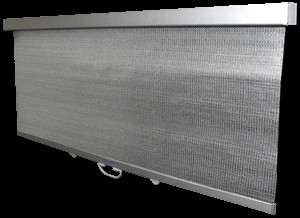
Woven aluminum is increasingly popular in commercial refrigeration covers due to its combination of strength, thermal performance, and light-reflective properties. Key benefits include:

  1. Superior Durability
    • Resistant to tearing, punctures, and fraying.
    • Withstands repeated rolling or folding without losing shape.
    • Handles contact with cleaning chemicals better than most fabrics.
  2. Excellent Thermal Performance
    • Reflects heat and prevents cold air from escaping, reducing overnight temperature drift.
    • Helps compressors work less, lowering energy costs and reducing wear on equipment.
  3. Light Protection
    • Reflective aluminum surface blocks or diffuses harmful lighting, slowing color fade in sensitive products such as leafy greens, berries, and fresh meats.
  4. Easy Maintenance
    • Smooth woven texture wipes clean quickly with food-safe solutions.
    • Resistant to stains, mold, or moisture buildup, making it ideal for high-use grocery environments.

Common Fabric Covers: Features and Limitations

Other materials, such as polyester blends, vinyl, or canvas, are still widely used in refrigeration covers. While they may be less expensive upfront, they have notable limitations:

  1. Durability Concerns
    • Fabric covers are more prone to tears, fraying, and stretching over time.
    • Repeated handling or folding can weaken seams, leading to gaps that reduce thermal performance.
  2. Thermal Performance
    • Many fabrics are thinner or less dense, allowing cold air to escape more easily.
    • They may trap less air between the cover and the case, resulting in higher overnight temperature drift.
  3. Light Exposure
    • Standard fabrics may let through harmful light, which accelerates roduct discoloration, dehydration, and spoilage.
    • UV-blocking treatments are sometimes applied but can wear off after repeated cleaning.
  4. Cleaning and Sanitation
    • Fabrics can absorb moisture, grease, or debris, making them harder to clean thoroughly.
    • Some materials shrink, warp, or degrade when exposed to repeated washing or chemical cleaning agents.

While fabric covers may work in certain low-use scenarios, their limitations can reduce long-term effectiveness in protecting products and saving energy.

When to Choose Woven Aluminum Over Other Fabrics

Woven aluminum is generally the better choice when:

  • The store uses open multi-deck cases or high-traffic displays that require daily deployment.
  • Products are highly sensitive to light, temperature, or moisture (e.g., leafy greens, berries, fresh meats, and dairy).
  • Energy efficiency is a priority and the store seeks measurable reductions in compressor runtime.
  • Ease of cleaning and long-term maintenance is critical to store operations.
  • Fabric covers may still be suitable for smaller displays, low-volume cases, or areas where durability and light reflection are less critical.

Tips for Maximizing Cover Material Performance

Regardless of the material selected, proper use and maintenance are essential:

  1. Ensure Proper Fit
    • Covers should fully seal the case edges without gaps. A snug fit maximizes insulation and prevents air infiltration.
  2. Inspect Regularly
    • Check for tears, fraying, or loose seams. Replace damaged covers immediately to maintain performance.
  3. Clean Correctly
    • Use food-safe cleaners suitable for the material. Avoid harsh chemicals on fabrics without protective coatings.
    • Wipe woven aluminum covers with a damp cloth or mild solution to remove dirt or residue.
  4. Store Properly
    • Roll or fold covers according to manufacturer instructions to prevent creasing or damage.
    • Avoid placing heavy items on top of covers during off hours.
  5. Combine With Other Preservation Tools
    • Pair covers with food-safe lighting, consistent refrigeration, and proper case loading to maximize product quality and energy savings.

Conclusion

Material selection is a critical factor in the effectiveness of refrigeration covers. Woven aluminum covers offer superior durability, thermal insulation, light protection, and ease of maintenance compared to traditional fabric options. While fabrics can be cost-effective for certain scenarios, their limitations in long-term use, cleaning, and thermal performance can compromise energy savings and product preservation.

For supermarket operators seeking reliable, high-performance night covers, investing in woven aluminum ensures consistent temperature containment, protection from harmful lights, and reduced operational headaches. When combined with proper fit, routine maintenance, and integration into daily closing routines, these covers support both product quality and store efficiency.
To explore high-quality woven aluminum covers and other refrigeration solutions, visit www.supermarketcovers.com.

Common Refrigeration Cover

A field guide to fitting, alignment, sealing gaps, and avoiding poor overnight performance

Refrigeration covers are a simple and effective way to reduce energy use, maintain cold case temperatures, and protect perishable products overnight. However, even the best covers will fail to deliver results if they are installed incorrectly. Common mistakes during installation can create gaps, reduce airflow efficiency, and undermine both energy savings and product quality. This guide walks through the most frequent errors and provides actionable tips to ensure covers perform as intended.

Why Proper Installation Matters

Night covers work by creating a thermal barrier between the refrigerated case and the ambient store environment. When installed correctly, they:

  • Contain Cold Air: Minimizing warm air infiltration helps compressors run less frequently.
  • Stabilize Case Temperatures: Consistent temperatures reduce moisture loss, color fading, and spoilage in produce, meat, dairy, and prepared foods.
  • Protect Against Harmful Lights: Covers limit exposure to retail lighting that can accelerate degradation in sensitive products.

Incorrect installation compromises all these benefits, leading to wasted energy, faster product decline, and higher operational costs.

Mistake 1: Improper Measurements

One of the most common issues is using covers that are too small or too large for the display case. Mistakes in measurement can leave gaps or force covers to buckle, reducing their effectiveness.

How to Avoid It:

  •  Measure case length, depth, and height accurately before ordering.
  • Check for obstructions like railings, signage, or shelving that may affect fit.
  • Verify whether the case is multi-deck, coffin, island, or tub type, as each requires specific cover sizing.

Properly sized covers ensure a snug fit and optimal thermal containment.

Mistake 2: Misalignment During Installation

Even with correctly sized covers, misalignment during installation can create gaps along the edges or at corners. Cold air escapes through these openings, forcing compressors to work harder overnight.

How to Avoid It:

  • Align covers carefully with case edges, ensuring top and side panels meet without gaps.
  • Use guides or markings on the case to standardize placement each night.
  • Confirm that covers remain straight after the initial installation, particularly on long multi-deck cases.

Consistent alignment maintains thermal integrity and maximizes energy savings.

Mistake 2: Misalignment During Installation

Even with correctly sized covers, misalignment during installation can create gaps along the edges or at corners. Cold air escapes through these openings, forcing compressors to work harder overnight.

How to Avoid It:

  • Align covers carefully with case edges, ensuring top and side panels meet without gaps.
  • Use guides or markings on the case to standardize placement each night.
  • Confirm that covers remain straight after the initial installation, particularly on long multi-deck cases.

Consistent alignment maintains thermal integrity and maximizes energy savings.

Mistake 4: Ignoring Clearance and Obstructions

Obstructions such as signage, shelving, or case hardware can prevent covers from sitting flush against the case, leaving space for warm air to enter.

How to Avoid It:

  • Plan the installation layout carefully, accounting for any hardware or signage.
  • Remove or adjust obstacles that interfere with proper sealing.
  • Consider custom covers for unique case setups to ensure a perfect fit.

Proper clearance ensures that covers are effective across all case types and configurations.

Mistake 5: Not Considering Case Load and Product Placement

Installing covers without considering the product layout can cause uneven cooling or restrict airflow within the case. Overstocked shelves may prevent covers from closing fully, while uneven product heights can create gaps at the top.

How to Avoid It:

  • Check that all products fit comfortably under the cover without pressing against the material.
  • Maintain consistent product heights across shelves to avoid interference.
  • Use airflow-friendly arrangements to promote even temperature distribution.

Accounting for product placement ensures that covers protect all items equally and prevent hot spots.

Mistake 6: Neglecting Routine Maintenance and Inspection

Even a properly installed cover will fail over time if it becomes damaged, warped, or misaligned. Wear and tear can create leaks, reducing energy savings and allowing product deterioration.

How to Avoid It:

  • Inspect covers daily for tears, warping, or misalignment.
  • Clean covers regularly to remove dust, debris, or grease that can affect sealing.
  • Replace damaged covers promptly to maintain performance.

Routine inspection ensures that night covers remain effective for the long term.

Mistake 7: Staff Non-Compliance

All the planning and proper installation can be undone if staff do not deploy covers consistently each night. “Missed nights” reduce energy savings and compromise product protection.

How to Avoid It:

  • Include night cover deployment in standard closing routines with clear responsibilities.
  • Use checklists or visual reminders to confirm completion.
  • Train staff on the operational and financial benefits of proper cover use.

Consistent staff compliance is essential to achieving measurable results.

Key Takeaways for Successful Refrigeration Cover Installation

  1. Measure First, Install Second: Accurate dimensions prevent gaps and misfit issues.
  2. Align and Seal Carefully: Straight edges, sealed corners, and flush mounting optimize performance.
  3. Consider Case Load and Product Placement: Ensure shelves and products do not interfere with covers.
  4. Account for Obstructions and Clearances: Adjust signage and hardware to allow proper fit.
  5. Maintain and Inspect Regularly: Replace or repair damaged covers promptly.
  6. Train and Hold Staff Accountable: Incorporate cover deployment into daily SOPs.

By avoiding these common mistakes, supermarkets can fully realize the energy, operational, and product-quality benefits of refrigeration covers.

Conclusion

Refrigeration covers are an investment in energy efficiency, product quality, and operational efficiency. Proper installation is critical: gaps, misalignment, and inconsistent use can all undermine potential savings and allow product degradation. By carefully measuring, aligning, sealing, and maintaining covers and integrating them into daily routines stores can maximize energy reduction, improve temperature stability, and protect perishable products overnight.

For more guidance on selecting, installing, and maintaining high-quality refrigeration covers, visit www.supermarketcovers.com.

A step-by-step explanation of energy use before/after cover installation and what stores typically see

Retailers are always looking for practical ways to reduce energy costs while maintaining product quality. Open refrigerated display cases are among the largest energy consumers in a supermarket, running continuously even when the store is closed. Night covers are a proven solution to lower energy consumption, stabilize temperatures, and reduce product shrink. This case study walks through how night covers impact energy use, what stores typically observe, and the operational factors that maximize savings.

Understanding Energy Use in Open Display Cases

Open multi-deck, island, and coffin cases lose cold air every time the store is closed or when the covers are absent. Key challenges include:

  • Cold Air Escape: Warm ambient air infiltrates the case, forcing compressors to work harder to maintain temperature.
  • Thermal Fluctuations: Temperature swings affect product quality, especially sensitive items like dairy, meat, and produce.
  • Extended Compressor Runtime: Continuous operation during off hours increases utility costs and accelerates equipment wear.

Before night covers are installed, many supermarkets see open cases running 24/7 at near-maximum capacity, even when staff and shoppers are absent.

Step 1: Baseline Energy Monitoring

The first step in assessing the impact of night covers is establishing a baseline:

  1. Record Compressor Runtime: Track daily runtime over at least one week, including overnight hours.
  2. Monitor Case Temperatures: Note any fluctuations or spikes that occur after the store closes.
  3. Measure Ambient Conditions: Observe airflow, door openings, and HVAC influence on case efficiency.

By collecting this data, stores gain a clear picture of how much energy is used and where temperature stability issues exist.

Step 2: Installing Night Covers

After baseline monitoring, night covers are fitted to open cases. Key installation considerations include:

  • Proper Fit: Covers must seal the case fully, leaving no gaps for warm air to enter.
  • Accessibility: Covers should be easy to remove in the morning for restocking and shopping.
  • Material Choice: Durable, food-safe materials protect products without interfering with lighting or visibility.

Most stores use covers designed specifically for multi-deck, coffin, island, or tub cases, ensuring an effective seal for the full case length and depth.

Step 3: Post-Installation Monitoring

Once night covers are in place, energy use and temperature performance are monitored again:

  1. Compressor Runtime Reduction: Stores typically see a 10–25% reduction in runtime overnight. Cold air retention decreases the frequency and duration of compressor cycles.
  2. Stable Case Temperatures: Temperature swings are minimized, especially in the top and front rows of shelves where products are most visible.
  3. Ambient Air Barrier: Covers prevent warm store air from infiltrating, which also reduces humidity-related moisture loss.
    This monitoring confirms the tangible energy-saving benefits of night covers.

Step 4: Quantifying Energy Savings

By comparing pre- and post-installation data, supermarkets can calculate estimated savings:

  • Electricity Costs: Reduced compressor activity translates directly to lower utility bills. Many mid-sized stores save thousands annually by simply covering open cases at night.
  • Equipment Longevity: Less strain on compressors can reduce maintenance frequency and extend equipment lifespan.
  • Reduced Peak Load: Night covers help flatten energy demand during peak utility periods, contributing to sustainability and potential demand-charge savings.

Even a modest reduction in runtime can yield significant cost benefits over a year, making night covers a high-ROI investment.

Step 5: Operational Benefits Beyond Energy

While energy savings are the primary goal, night covers also improve other operational outcomes:

  • Product Quality Retention: Consistent overnight temperatures reduce moisture loss in produce, prevent discoloration in meats, and protect dairy from harmful light exposure.
  • Labor Efficiency: Less spoilage and shrink means staff spend less time rotating, cleaning, or discarding products.
  • Customer Experience: Morning stock looks fresher, more visually appealing, and ready for sale.

These benefits complement energy savings, demonstrating that night covers provide both operational and product-quality advantages.

Best Practices for Maximizing Energy Savings

To achieve the best results, supermarkets should follow several practical steps:

  • Standardize Night Cover Use: Integrate into closing routines with accountability measures so covers are deployed consistently.
  • Combine With Food-Safe Lighting: Minimize harmful light exposure, which can accelerate spoilage even if temperatures are stable.
  • Monitor Temperatures: Keep tracking temperature consistency and runtime to identify opportunities for improvement.
  • Inspect Covers Regularly: Check for tears, misalignment, or loose fasteners that reduce effectiveness.
  • Adjust Case Loading: Avoid overstuffing or placing hot products in covered cases to maintain optimal air circulation.

These practices ensure energy savings are maximized while maintaining product quality.

Real-World Example

A regional grocery chain installed night covers on 50 multi-deck produce and dairy cases across three stores. Within the first month:

  • Overnight compressor runtime dropped by 18%.
  • Average case temperature swings decreased from ±3°F to ±1°F.
  • Moisture loss in leafy greens reduced by 20%, lowering morning discard.
  • Estimated annual energy savings per store: upto $4,500–$6,000.

This demonstrates that night covers deliver measurable results quickly, with minimal staff effort or additional infrastructure.

Conclusion

Night covers are a simple, low-cost solution with a significant impact on energy use, product quality, and operational efficiency. By measuring energy consumption before and after installation, supermarkets can quantify savings, justify investment, and optimize case performance. Beyond energy, covers protect perishable products from temperature fluctuations, moisture loss, and harmful lights, enhancing both the bottom line and shopper satisfaction.
For stores seeking a practical way to cut energy costs, improve case performance, and preserve fresh food quality, night covers provide an effective, high-ROI solution.

To learn more about commercial night covers and how they can enhance both energy efficiency and product freshness, visit www.supermarketcovers.com.

Quick Contact
We'll get back to you shortly.