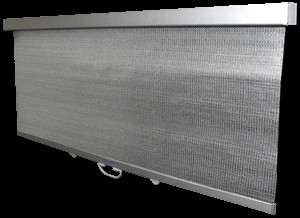
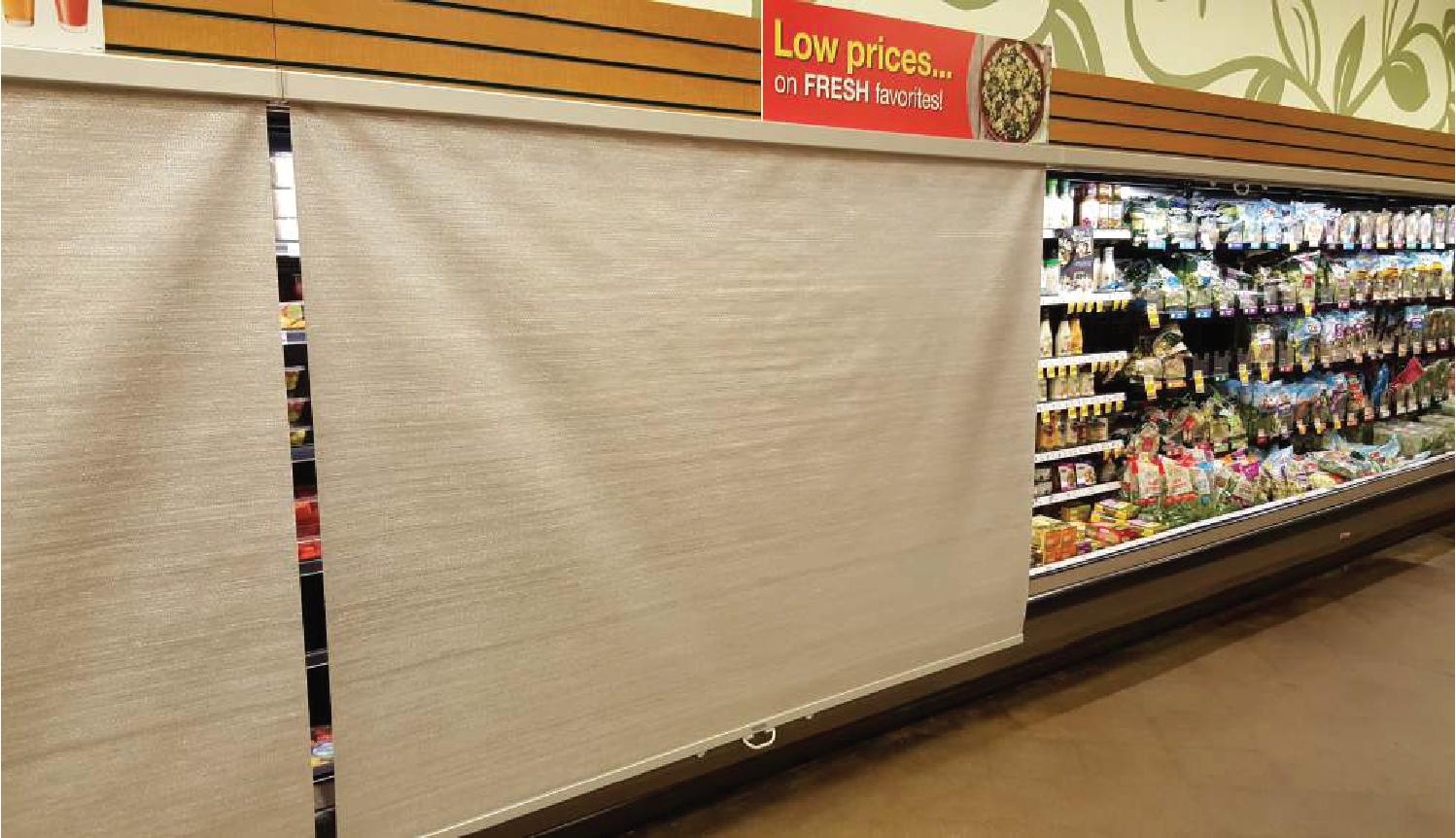
What to measure and confirm before ordering covers for multi-deck, coffin, island, and tub cases
Open display cases are the backbone of supermarket merchandising, showcasing fresh produce, dairy, meat, and beverages. While they make products easily accessible for shoppers, they also allow cold air to escape after hours, increasing energy costs and contributing to moisture loss, discoloration, or spoilage. Supermarket covers are an effective solution to protect products overnight, but choosing the right cover requires careful measurement and consideration of case type, store layout, and operational routines.
Why Properly Sized Covers Matter
The effectiveness of supermarket covers depends on a secure fit. Ill-fitting covers leave gaps that allow warm air, ambient light, or moisture to reach products. Even small gaps can reduce temperature consistency, increase compressor cycles, and diminish the quality of perishables by morning. Correct sizing and installation are therefore critical for ensuring the cover’s thermal and protective benefits.
Key Case Types to Consider
Supermarkets use several types of open display cases, each requiring slightly different cover solutions:
- Multi-Deck Cases: Common in produce and dairy sections, these vertical displays require covers that fully extend over each tier to maintain cold air in every shelf.
- Coffin Cases: Horizontal cases typically used for meat or frozen products; covers must span the full length and seal edges to prevent temperature drift.
- Island Cases: Central, accessible from multiple sides; require covers designed for both top and partial side coverage, sometimes with modular panels for easy handling.
- Tub Cases: Short, deep units often used for promotional items or bulk dairy; covers should account for depth to prevent warm air infiltration along the sides.
Understanding case type ensures that the selected cover meets both operational and protective needs.
Measurements to Take Before Ordering
Accurate measurements are essential for effective cover performance:
- Length and Width: Measure the exact dimensions of the display, including any protruding edges, rails, or trim that could interfere with cover placement.
- Height and Clearance: Consider the distance from the top of the case to lighting or overhead shelving to ensure the cover does not obstruct equipment.
- Edge Gaps: Note any gaps between the case body and surrounding fixtures where air could bypass the cover.
- Mounting Points: Identify surfaces for hooks, magnets, or brackets to secure the cover, ensuring it stays in place nightly.
- Obstructions: Check for signage, labels, or shelves that could prevent a cover from laying flat or sealing properly.
Recording these measurements carefully prevents ordering a cover that is too small, too large, or incompatible with the case layout.
Material and Design Considerations
Beyond dimensions, material choice and design are key to performance:
- Durable Materials: Covers should withstand daily deployment, moisture exposure, and handling without tearing or warping.
- Food-Safe Surfaces: Surfaces that contact products or near-shelf areas should comply with hygiene standards.
- Flexible vs. Rigid: Flexible covers are easier to roll or fold but may be harder to seal; rigid panels provide better containment but can be heavier to handle.
- Transparency: Clear or semi-transparent covers allow staff to verify stock levels without removing the cover while still reducing exposure to ambient lights.
Selecting the right combination of material and design maximizes both protection and operational convenience.
Operational Fit and Ease of Use
For supermarket covers to be effective, staff must deploy them consistently:
- Lightweight Construction: Easy-to-handle covers increase compliance among store teams.
- Quick Deployment Mechanisms: Velcro, magnets, or rolling systems save time and reduce skipped nights.
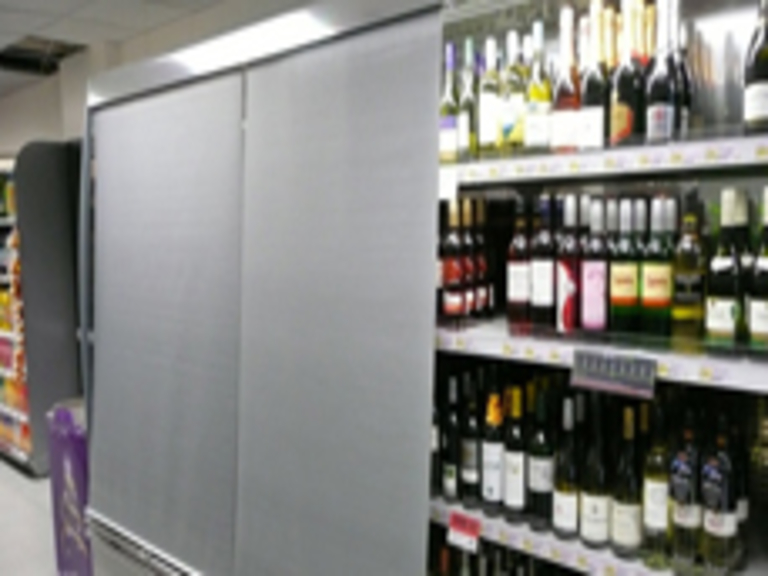
- Modular Sections: Multi-panel designs can accommodate varying case lengths and make storage simpler when covers are removed during trading hours.
- Maintenance Accessibility: Covers should allow easy removal or access to fans, lights, and other equipment without risking damage.
A cover that is cumbersome or difficult to install is less likely to be used reliably, reducing its intended benefits.
Checklist Before Ordering Covers
Use the following checklist to confirm that your cover selection meets store needs:
- Measure case length, width, and height accurately.
- Identify mounting points and any obstructions.
- Confirm clearance for lights, fans, or shelving.
- Choose a durable, food-safe material.
- Decide between flexible, rigid, or modular designs based on case type.
- Ensure covers can be deployed consistently by staff nightly.
- Verify transparency and visibility needs for stock monitoring.
- Check compatibility with cleaning and sanitation routines.
- Consider long-term maintenance and replacement requirements.
- Match the cover to the specific case type (multi-deck, coffin, island, tub).
Following this checklist reduces ordering errors and ensures that covers perform effectively once installed.
Benefits of Properly Selected Covers
When chosen and installed correctly, supermarket covers deliver multiple operational and product-quality advantages:
- Temperature Stability: Covers limit warm-air intrusion, keeping cases colder through non-trading hours.
- Reduced Shrink and Waste: By maintaining consistent conditions, covers help prevent dehydration, discoloration, and spoilage.
- Energy Savings: Containing cold air reduces compressor runtime, lowering utility costs.
- Morning Product Presentation: Items look fresh, dry, and visually appealing for the first shoppers.
- Staff Efficiency: Fewer product adjustments, rotations, or cleanups save labor time.
These benefits make supermarket covers a cost-effective investment with a measurable impact on both quality and operations.
Conclusion
Selecting the right supermarket covers requires careful attention to case type, accurate measurements, material choice, and ease of use. Multi-deck, coffin, island, and tub cases each have unique requirements, and a one-size-fits-all approach rarely delivers optimal results. By following a structured checklist, retailers ensure that covers fit properly, protect products, and integrate smoothly into nightly closing routines.
Well-chosen covers reduce energy use, prevent moisture loss, maintain product appearance, and support overall operational efficiency. For supermarkets seeking to protect fresh and packaged products overnight while improving energy and labor performance, implementing the right covers is a straightforward, high-impact solution.
For more guidance on choosing and installing commercial supermarket covers, visit www.supermarketcovers.com for practical solutions that preserve product quality and enhance store efficiency.